

Compensatory Service in Lieu of Fine Amendments
SB 185 amends Utah law to allow defendants convicted of minor offenses (like traffic violations or class C/B misdemeanors) to perform unpaid work instead of paying fines. The bill requires courts to inform defendants about this option and sets a $12 hourly credit rate for approved service. Defendants must submit documentation from the service organization detailing hours worked, including official letterhead, hours, and a description. The law, effective May 7, 2025, applies only to fines - not victim restitution - and specifies that courts may reject service completed before sentencing or from prohibited organizations.
Bill status
signed
all 5 stages cleared
Introduction
Jan 2025
Committee Review
Feb 2025
Senate Passage
Mar 2025
House Passage
Mar 2025
Signed into Law
Mar 2025
Introduced Jan 29, 2025
Signed Mar 26, 2025
Maddy AI version diff · 1 comparison
What changed between versions
Introduced
→
Enrolled
·
4 edits
·
Mar 26, 2025
MODERATE
This bill amends Utah's compensatory service law to increase the hourly credit rate from $10 to $12, streamline the definition of eligible offenses, and update formatting for clarity. The changes make the program more cost-effective for defendants while maintaining the core requirement that service replace criminal fines for minor offenses.
Scope change
The bill's scope remains focused on compensatory service in lieu of criminal fines, but eligibility criteria were simplified by removing the specific offense classifications (infraction, class C, class B misdemeanor) and replacing them with a broader 'eligible offense' definition.
REQUIREMENT
Increased the hourly credit rate for compensatory service from $10 to $12 per hour, reducing the total service hours defendants must complete to offset fines.
ELIGIBILITY
Replaced specific offense classifications (infraction, class C or class B misdemeanor) with a broader 'eligible offense' definition that includes criminal convictions and traffic offenses.
DEFINITION
Reorganized the definition structure for compensatory service recipients, changing from lettered subsections (a, b, c) to numbered items (i, ii, iii) for clarity.
TECHNICAL
Updated formatting and removed redundant text throughout the bill to improve readability and align with current legislative drafting standards.
Floor votes
How they voted
This bill passed the Senate by voice vote (no roll call recorded).
Full legislative history
Actions timeline
Total actions
37
Key actions
9
Committee
6
Mar 26, 2025
Signed into law
Governor Signed
executive
Mar 7, 2025
Legislature · Passed
Senate/ signed by President/ sent for enrolling
legislature
Mar 7, 2025
Upper · Passed
House/ signed by Speaker/ returned to Senate
upper
Mar 7, 2025
Lower · Passed
House/ passed 3rd reading
lower
Feb 28, 2025
Lower · Passed
House/ committee report favorable
lower
Feb 28, 2025
Lower · Passed
House Comm - Favorable Recommendation
lower
Feb 26, 2025
Committee
House/ to standing committee
lower
Feb 25, 2025
Introduced
House/ 1st reading (Introduced)
lower
Feb 24, 2025
Lower · Passed
Senate/ passed 3rd reading
lower
Feb 18, 2025
Upper · Passed
Senate/ committee report favorable
upper
Feb 18, 2025
Upper · Passed
Senate Comm - Favorable Recommendation
upper
Jan 30, 2025
Committee
Senate/ to standing committee
upper
Jan 29, 2025
Introduced
Senate/ 1st reading (Introduced)
upper
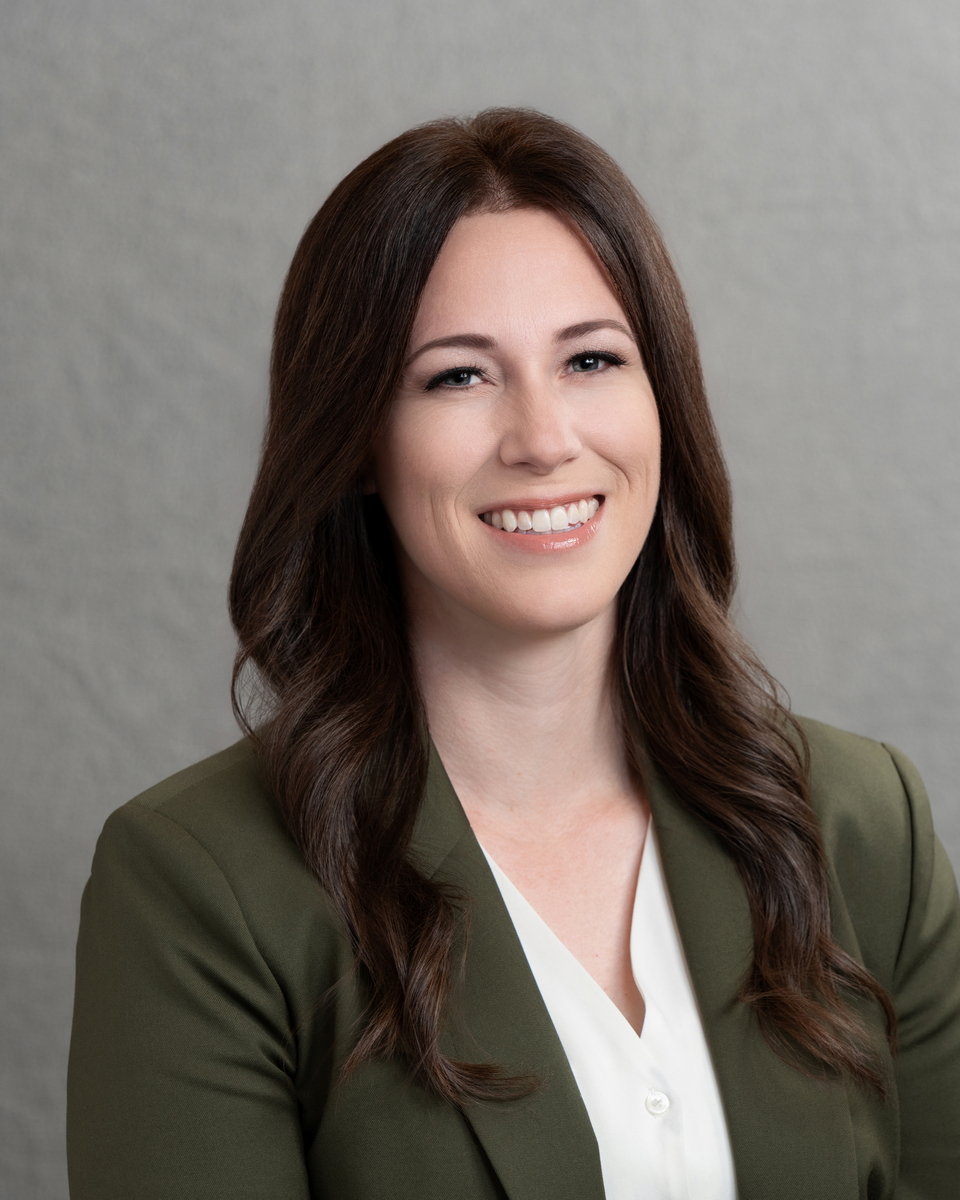
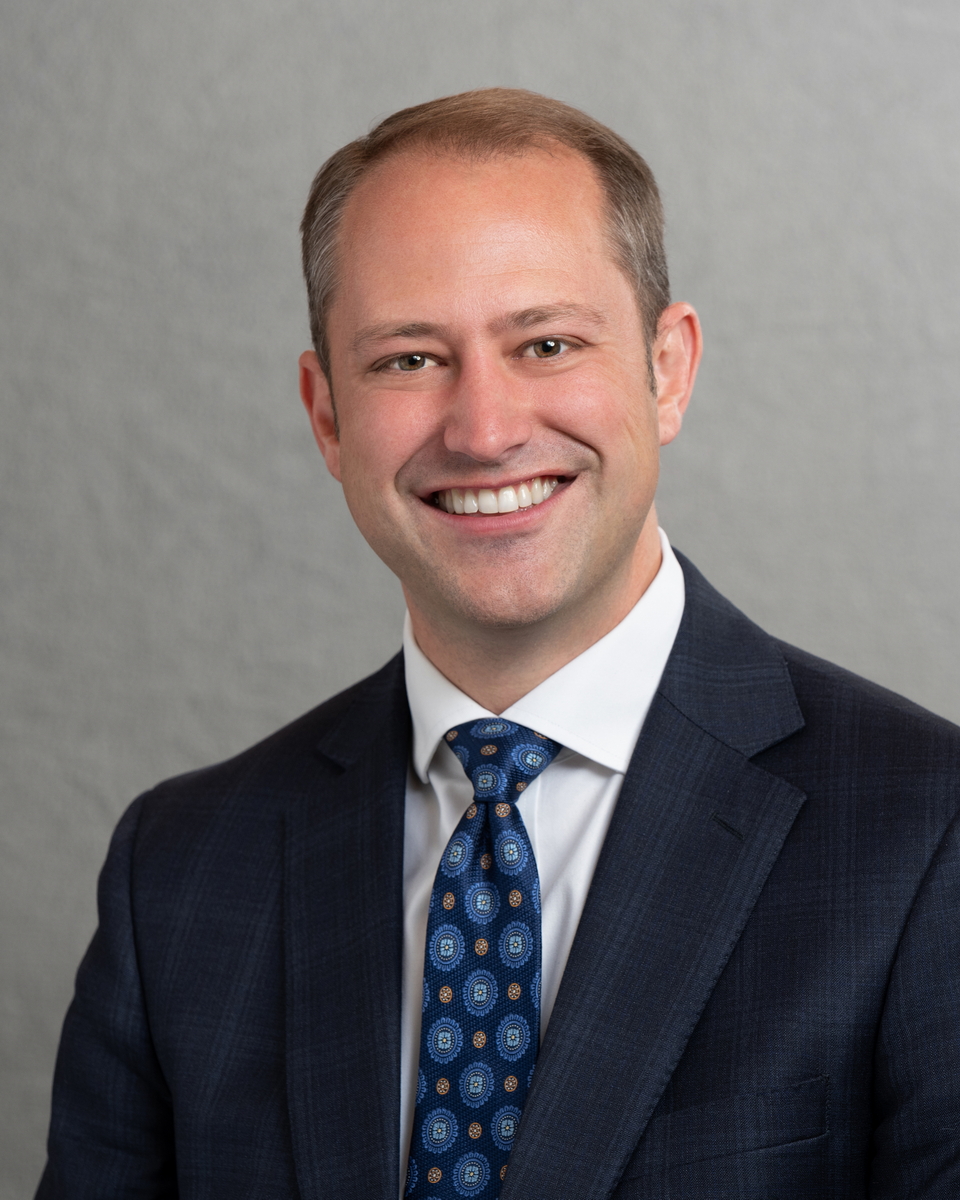
1 primary · 1 co-sponsor
Sponsors
Ask Maddy
·
AI policy assistant
Ask Maddy about SB 185
Scope: UT
Hi! I can help you understand SB 185. What would you like to know?
Try one of these
i
Maddy answers using official bill text and legislative records. Always verify before sharing.
Sources cited inline