

House Rules Resolution - Legislative Process Amendments
This bill (HR 3) modifies internal House of Representatives procedures in Utah. It clarifies the chief clerk's role in making technical corrections to legislation (like fixing spelling or numbering errors), updates rules for sharing draft legislation with caucus staff, and specifies when bills can pass without committee recommendations. It also grants legislators the right to attend committee meetings (with some restrictions) and defines "censure" for procedural clarity. The bill affects all Utah state legislators, House staff, and committee processes, but contains no policy changes or funding. It is purely procedural, altering how the legislature operates rather than impacting public policy.
Bill status
passed
4 of 5 stages cleared
Introduction
Feb 2025
Committee Review
Feb 2025
House Passage
Feb 2025
Senate Passage
Feb 2025
Governor
Introduced Feb 6, 2025
Last action Feb 18, 2025
Maddy AI version diff · 3 comparisons
What changed between versions
Amended Excerpts 2/13/2025 10:02:646
→
Amended 2/13/2025 10:02:646
·
4 edits
MODERATE
This amendment clarifies the chief clerk's duties regarding technical corrections to legislation, modifies how drafting instructions are shared with caucus staff, and expands exceptions to the requirement that standing committees must recommend legislation before the House can pass it. The changes streamline legislative processes while maintaining oversight mechanisms.
Scope change
The bill's scope expanded to include additional exceptions for legislation that can be passed without a standing committee recommendation, including unanimous committee bills and those reviewed by the Executive Appropriations Committee.
REQUIREMENT
Chief clerk duties were modified to clarify technical corrections, including spelling, division, numbering, capitalization, and formatting changes that can be made without a motion to amend.
Requirements for sharing legislation drafting instructions with caucus staff were modified to allow representatives to opt out of sharing or require acknowledgment of information sharing.
ELIGIBILITY
New exceptions were added allowing the House to pass legislation without a standing committee recommendation, including unanimous committee bills and those reviewed by the Executive Appropriations Committee.
TECHNICAL
Technical and conforming changes were made to the legislative rules to align with updated procedures and definitions.
Floor votes
How they voted
This bill passed the Senate by voice vote (no roll call recorded).
Full legislative history
Actions timeline
Total actions
21
Key actions
4
Committee
1
Amendments
2
Feb 14, 2025
Legislature · Passed
House/ signed by Speaker/ sent for enrolling
legislature
Feb 14, 2025
Lower · Passed
House/ passed 3rd reading
lower
Feb 12, 2025
Lower · Passed
House/ comm rpt/ amended/ placed on Consent Cal
lower
Feb 12, 2025
Lower · Passed
House Comm - Favorable Recommendation
lower
Feb 12, 2025
Introduced
House Comm - Amendment Recommendation
lower
Feb 6, 2025
Introduced
House/ 1st reading (Introduced)
lower
1 primary · 0 co-sponsors
Sponsors
Role
Legislator
Party
State
District
P
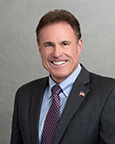
Jim Dunnigan
RRepublican
Ask Maddy
·
AI policy assistant
Ask Maddy about HR 3
Scope: UT
Hi! I can help you understand HR 3. What would you like to know?
Try one of these
i
Maddy answers using official bill text and legislative records. Always verify before sharing.
Sources cited inline