

Private Postsecondary Education Modifications
HB 97 updates disclosure requirements for private postsecondary schools in Utah. It clarifies that students have a three-business day "cooling off period" to cancel enrollment and receive a refund (excluding a reasonable application fee and a deposit not exceeding 10% of the first term's tuition). The bill mandates schools to provide clear written disclosures about program details, costs, accreditation status, refund policies, complaint procedures, and student outcomes before enrollment. This affects all private colleges and universities in Utah and their enrolled students.
Bill status
signed
all 5 stages cleared
Introduction
Jan 2025
Committee Review
Feb 2025
House Passage
Feb 2025
Senate Passage
Feb 2025
Signed into Law
Feb 2025
Introduced Jan 21, 2025
Signed Feb 28, 2025
Maddy AI version diff · 1 comparison
What changed between versions
Introduced
→
Enrolled
·
5 edits
·
Feb 28, 2025
MODERATE
This bill updates Utah's private postsecondary education disclosure requirements to clarify refund policies, accreditation information, and complaint filing procedures. The changes standardize the 'cooling off period' definition and ensure schools clearly disclose accreditation status and student outcomes to protect consumers.
Scope change
No change in scope or applicability; the bill applies to all private postsecondary schools in Utah as before.
REQUIREMENT
Clarified the cooling off period to specify it must end no earlier than midnight on the third business day after the student signs, pays, attends, or gains access to services.
Added requirement for schools to disclose whether they and individual programs are accredited by an accrediting agency.
Added requirement to disclose student outcomes specified in division rules.
Updated complaint filing disclosure to include the school's approval or licensing entity alongside the division and accrediting agency.
TECHNICAL
Corrected cross-references from Subsection (8)(a) to Subsection (2)(h)(i) and from Subsection (1)(k) to Subsection (2)(k).
Floor votes
How they voted
This bill passed the Senate by voice vote (no roll call recorded).
Full legislative history
Actions timeline
Total actions
35
Key actions
9
Committee
6
Feb 28, 2025
Signed into law
Governor Signed
executive
Feb 18, 2025
Legislature · Passed
House/ signed by Speaker/ sent for enrolling
legislature
Feb 14, 2025
Lower · Passed
Senate/ signed by President/ returned to House
lower
Feb 14, 2025
Upper · Passed
Senate/ passed 3rd reading
upper
Feb 5, 2025
Upper · Passed
Senate/ committee report favorable
upper
Feb 5, 2025
Upper · Passed
Senate Comm - Favorable Recommendation
upper
Feb 4, 2025
Committee
Senate/ to standing committee
upper
Jan 31, 2025
Introduced
Senate/ 1st reading (Introduced)
upper
Jan 30, 2025
Upper · Passed
House/ passed 3rd reading
upper
Jan 24, 2025
Lower · Passed
House/ committee report favorable
lower
Jan 23, 2025
Lower · Passed
House Comm - Favorable Recommendation
lower
Jan 22, 2025
Committee
House/ to standing committee
lower
Jan 21, 2025
Introduced
House/ 1st reading (Introduced)
lower
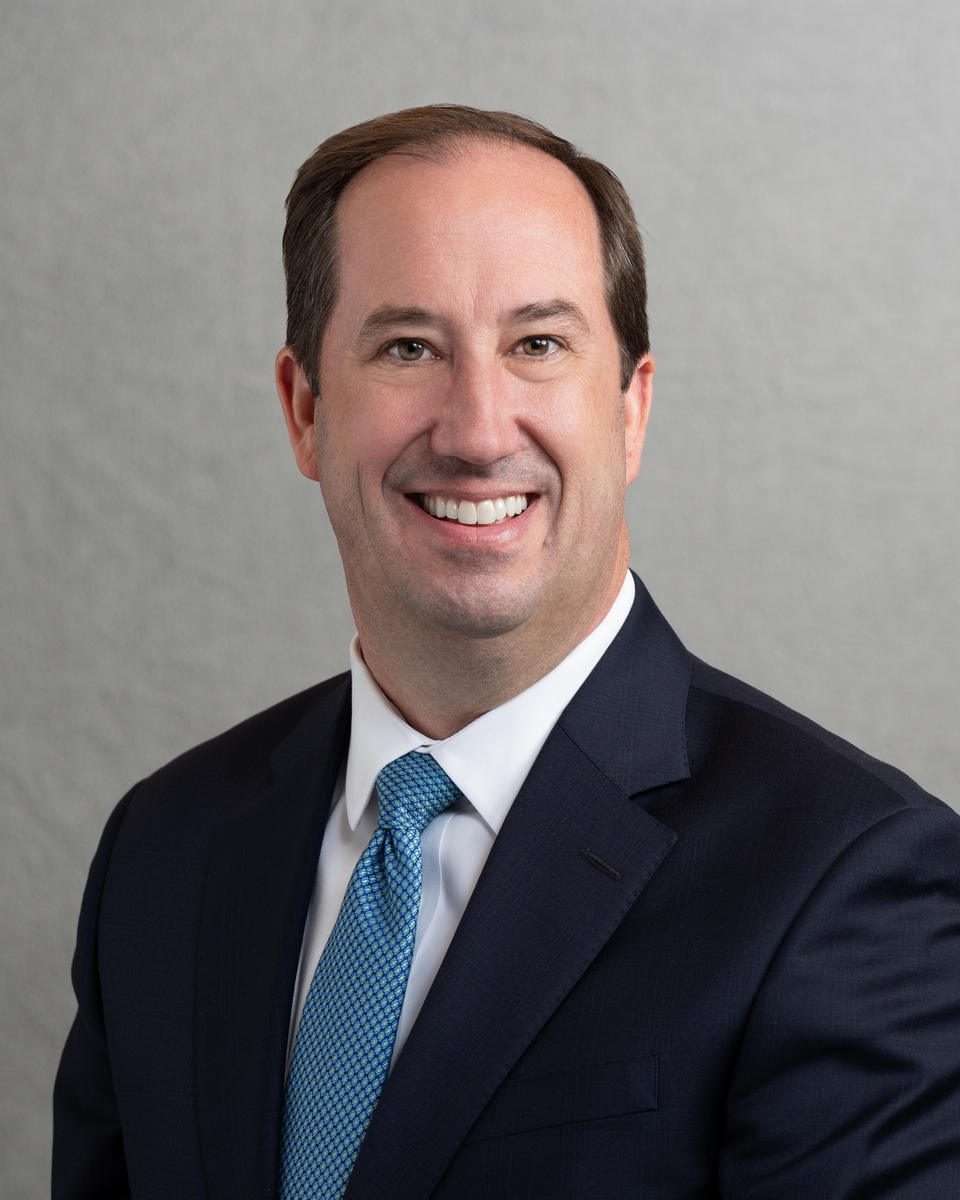
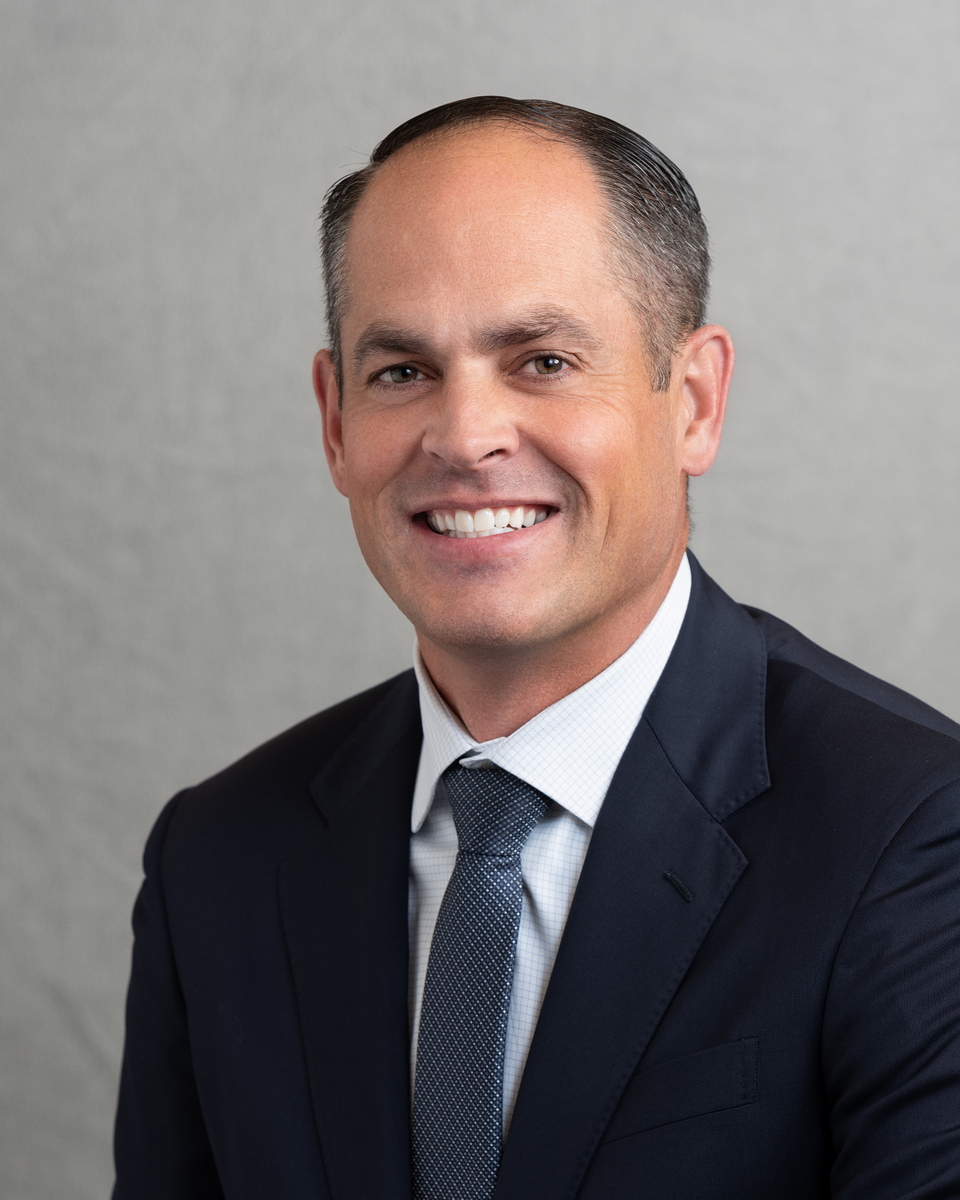
1 primary · 1 co-sponsor
Sponsors
Ask Maddy
·
AI policy assistant
Ask Maddy about HB 97
Scope: UT
Hi! I can help you understand HB 97. What would you like to know?
Try one of these
i
Maddy answers using official bill text and legislative records. Always verify before sharing.
Sources cited inline