

Rehabilitation Services Modifications
HB 93 amends Utah's Brain and Spinal Cord Injury Fund to allow existing fund money to support nervous system research grants, up to $100,000 annually, for qualified charitable clinics meeting specific criteria (tax-exempt, five years of rehabilitation experience, and approved research protocols). The bill requires the advisory committee to meet quarterly, creates new reporting requirements, and specifies minimum annual allocations: at least 40% for public education, 25% for adult services, and 10% for children's services. This directly affects the advisory committee, qualified clinics (which provide rehabilitation services), and individuals with brain/spinal cord injuries or neurological conditions who benefit from the fund's services and research. The bill does not appropriate new money and makes technical updates to fund administration.
Bill status
signed
all 5 stages cleared
Introduction
Jan 2025
Committee Review
Feb 2025
House Passage
Feb 2025
Senate Passage
Feb 2025
Signed into Law
Mar 2025
Introduced Jan 21, 2025
Signed Mar 24, 2025
Maddy AI version diff · 1 comparison
What changed between versions
Introduced
→
Enrolled
·
5 edits
·
Mar 24, 2025
MODERATE
This bill amends Utah's Brain and Spinal Cord Injury Fund and Advisory Committee to allow fund money to be used for nervous system research grants, updates committee membership to include legislative representatives, requires quarterly meetings, and adds reporting requirements for research recipients.
Scope change
The bill expands the fund's purpose to include research grants for qualified charitable clinics and modifies the advisory committee's composition and operational requirements.
FISCAL
Added authority to use Brain and Spinal Cord Injury Fund money for research grants to qualified charitable clinics, up to $100,000 annually.
DEFINITION
Created new definitions for 'nervous system research', 'qualified charitable clinic', and 'research grant' to establish eligibility criteria.
REQUIREMENT
Changed advisory committee meeting frequency from unspecified to at least quarterly and added reporting requirements for research grant recipients.
ELIGIBILITY
Added two new committee members: a House representative and a Senate representative appointed by their respective leaders.
TECHNICAL
Corrected section number references from 26B-1-418 to 26B-1-417 and reorganized subsection numbering for clarity.
Floor votes
How they voted
This bill passed the Senate by voice vote (no roll call recorded).
Full legislative history
Actions timeline
Total actions
33
Key actions
9
Committee
6
Mar 24, 2025
Signed into law
Governor Signed
executive
Feb 27, 2025
Legislature · Passed
House/ signed by Speaker/ sent for enrolling
legislature
Feb 27, 2025
Lower · Passed
Senate/ signed by President/ returned to House
lower
Feb 27, 2025
Upper · Passed
Senate/ passed 3rd reading
upper
Feb 19, 2025
Upper · Passed
Senate/ committee report favorable
upper
Feb 19, 2025
Upper · Passed
Senate Comm - Favorable Recommendation
upper
Feb 14, 2025
Committee
Senate/ to standing committee
upper
Feb 7, 2025
Introduced
Senate/ 1st reading (Introduced)
upper
Feb 6, 2025
Upper · Passed
House/ passed 3rd reading
upper
Jan 29, 2025
Lower · Passed
House/ committee report favorable
lower
Jan 28, 2025
Lower · Passed
House Comm - Favorable Recommendation
lower
Jan 27, 2025
Committee
House/ to standing committee
lower
Jan 21, 2025
Introduced
House/ 1st reading (Introduced)
lower
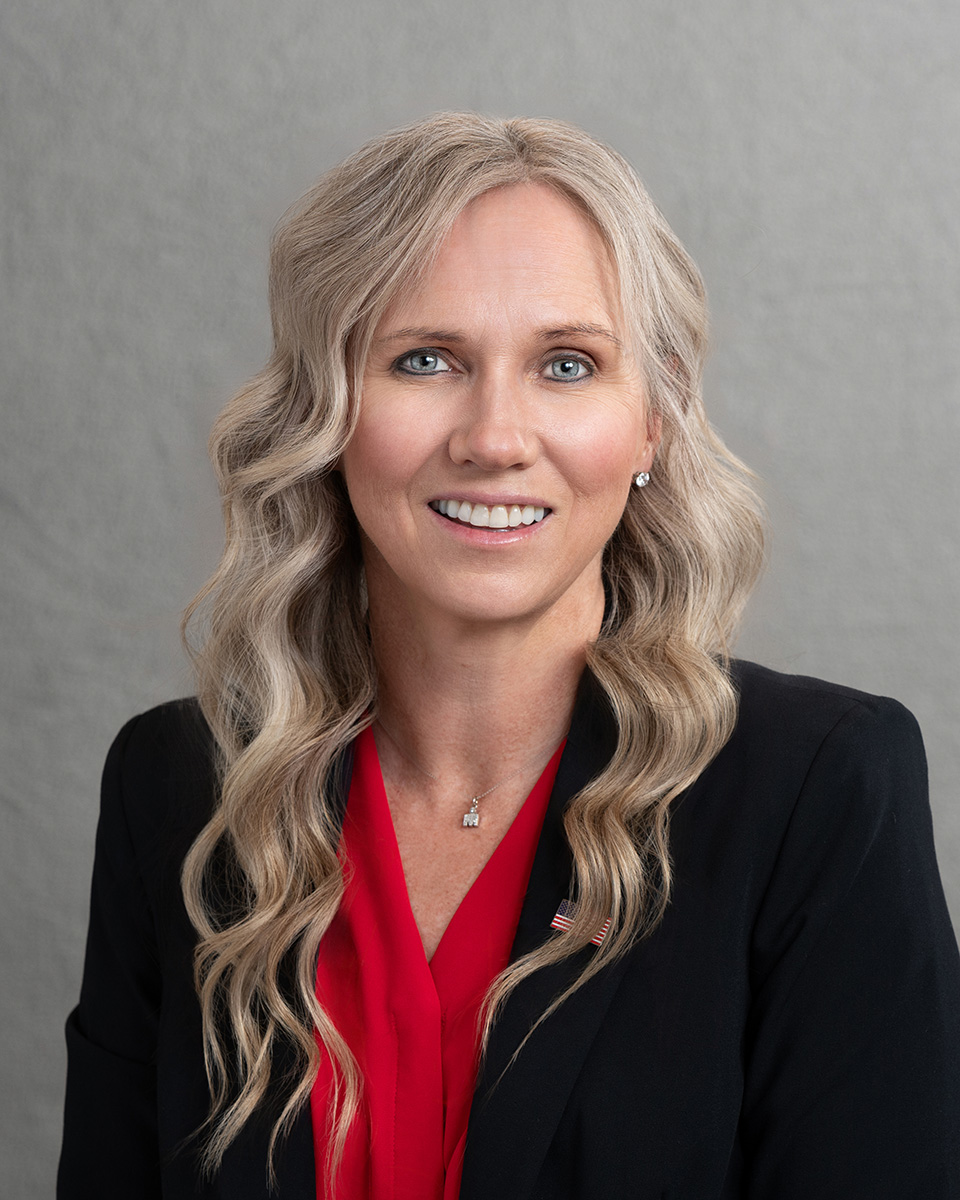
1 primary · 1 co-sponsor
Sponsors

Ask Maddy
·
AI policy assistant
Ask Maddy about HB 93
Scope: UT
Hi! I can help you understand HB 93. What would you like to know?
Try one of these
i
Maddy answers using official bill text and legislative records. Always verify before sharing.
Sources cited inline