

Municipal Election Amendments
HB 109 restricts Utah cities with six- or five-member city councils from changing dismissal rules for municipal managers during election transitions. Specifically, it prohibits these councils from adopting more restrictive dismissal procedures from the day of a municipal election until new council members begin their terms. This ensures continuity in manager dismissal processes during periods when council composition is uncertain due to elections. The bill makes minor technical updates to existing state code without appropriating funds or affecting other municipal operations.
Bill status
signed
all 5 stages cleared
Introduction
Jan 2025
Committee Review
Feb 2025
House Passage
Feb 2025
Senate Passage
Feb 2025
Signed into Law
Mar 2025
Introduced Jan 21, 2025
Signed Mar 27, 2025
Maddy AI version diff · 1 comparison
What changed between versions
Introduced
→
Enrolled
·
3 edits
·
Mar 27, 2025
MINOR
This bill adds a temporary restriction on municipal councils' ability to change how they can dismiss their city manager during election periods. For six months after an election, councils cannot adopt rules that make it harder to remove a manager than the rules that were in place when the current manager was hired. This prevents new councils from immediately changing dismissal procedures after taking office.
Scope change
The bill applies to both six-member and five-member municipal councils in Utah and adds a new temporary restriction during interim vacancy periods between elections.
REQUIREMENT
Added a prohibition on adopting more restrictive dismissal procedures for municipal managers during the interim vacancy period between elections and when the new council term begins.
TIMELINE
Established a specific time window (from election day until the new council member begins their term) during which dismissal procedure changes are restricted.
TECHNICAL
Made technical and conforming changes to the formatting and structure of Sections 10-3b-303 and 10-3b-403.
Floor votes
How they voted
This bill passed the Senate by voice vote (no roll call recorded).
Full legislative history
Actions timeline
Total actions
33
Key actions
9
Committee
6
Mar 27, 2025
Signed into law
Governor Signed
executive
Feb 18, 2025
Legislature · Passed
House/ signed by Speaker/ sent for enrolling
legislature
Feb 14, 2025
Lower · Passed
Senate/ signed by President/ returned to House
lower
Feb 14, 2025
Upper · Passed
Senate/ passed 3rd reading
upper
Feb 7, 2025
Upper · Passed
Senate/ committee report favorable
upper
Feb 6, 2025
Upper · Passed
Senate Comm - Favorable Recommendation
upper
Feb 3, 2025
Committee
Senate/ to standing committee
upper
Jan 30, 2025
Introduced
Senate/ 1st reading (Introduced)
upper
Jan 29, 2025
Upper · Passed
House/ passed 3rd reading
upper
Jan 23, 2025
Lower · Passed
House/ committee report favorable
lower
Jan 22, 2025
Lower · Passed
House Comm - Favorable Recommendation
lower
Jan 21, 2025
Committee
House/ to standing committee
lower
Jan 21, 2025
Introduced
House/ 1st reading (Introduced)
lower
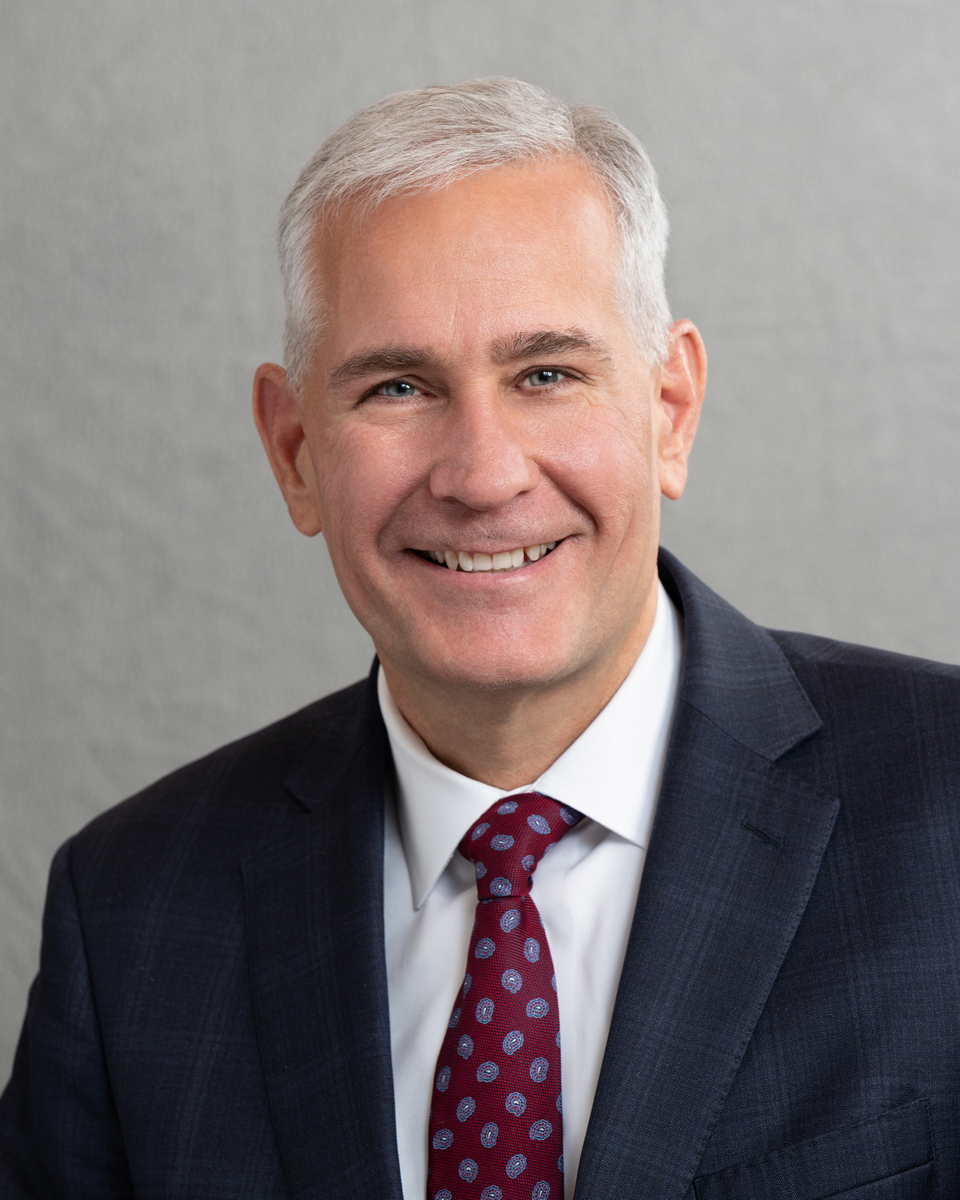
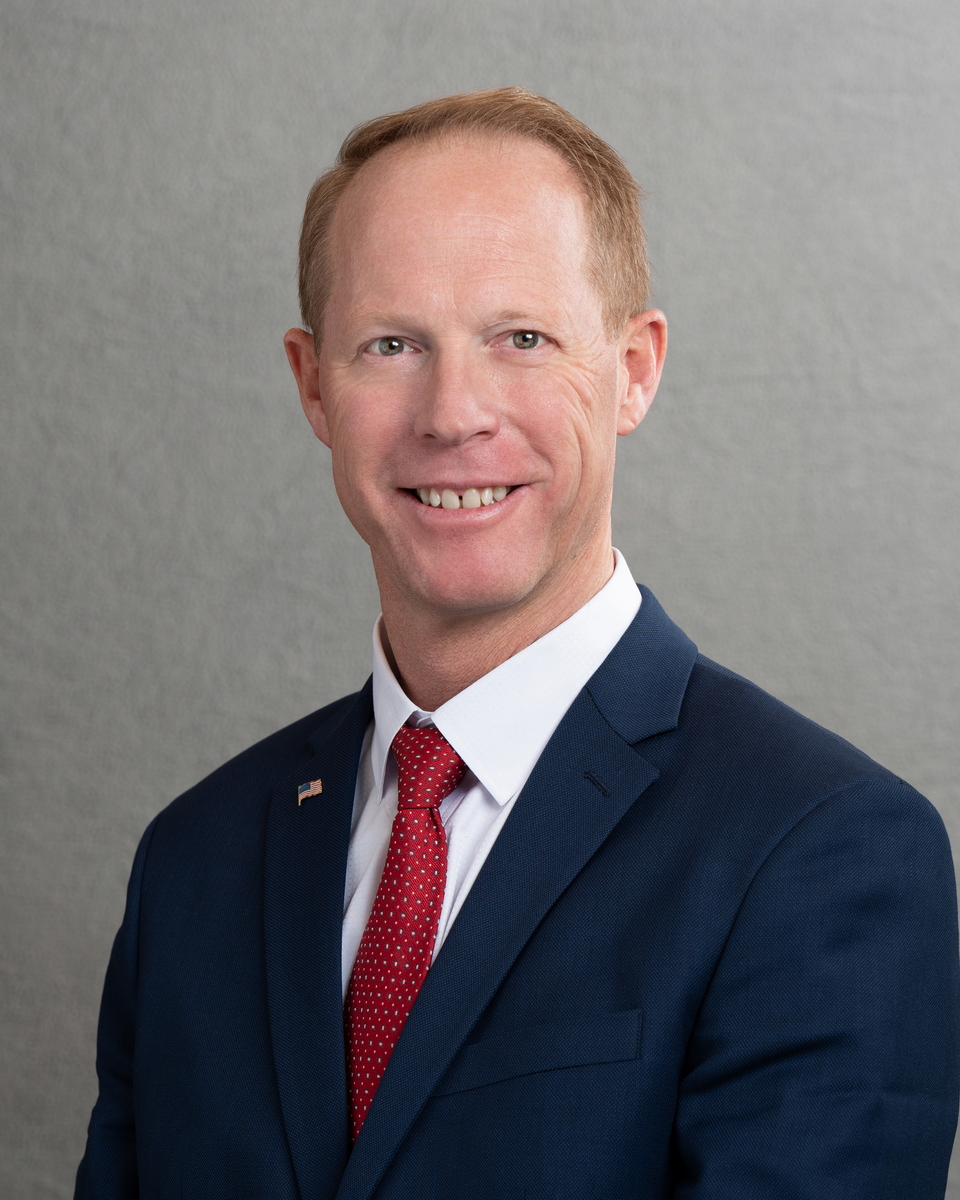
1 primary · 1 co-sponsor
Sponsors
Ask Maddy
·
AI policy assistant
Ask Maddy about HB 109
Scope: UT
Hi! I can help you understand HB 109. What would you like to know?
Try one of these
i
Maddy answers using official bill text and legislative records. Always verify before sharing.
Sources cited inline