

In committee Sep 24, 2026
0 co-sponsors
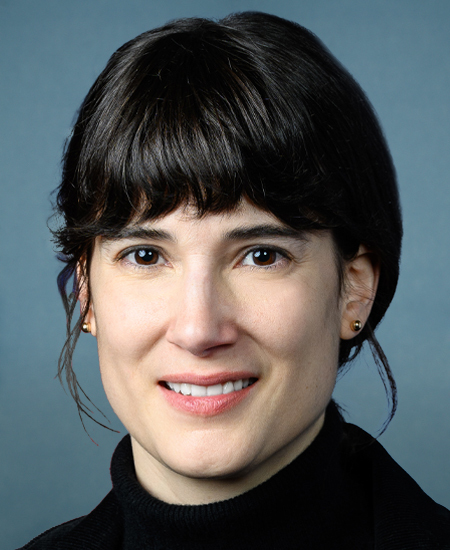
Rep. Marie Gluesenkamp Perez
Total votes
1,879
all sessions
Attendance
98%
29 missed
Near the chamber average
With party
80%
of cast votes
Lower than 99% of chamber peers
Bipartisan score
10%
some cross-party votes
Higher than 98% of chamber peers
Sponsored
608
bills & resolutions
Near the chamber average
Committees
3
assignments
608 bills and resolutions
Sponsored bills
Total
608
Primary
58
Co-sponsor
550
This page
608
matching current filters
Combating Illicit Xylazine Act
Maddy summaryHR 1266, the Combating Illicit Xylazine Act, adds xylazine - a veterinary sedative increasingly found in illicit drug mixtures - to Schedule III of the Controlled Substances Act, regulating its use and trafficking. It directly affects veterinarians, animal owners, and manufacturers by allowing xylazine to be legally dispensed for animal use under specific veterinary prescriptions, while prohibiting non-veterinary human use. The bill includes transition periods (60 days for practitioners, 1 year for labeling) to ease compliance for manufacturers and practitioners, and requires the DEA and FDA to expedite necessary applications. It also mandates two congressional reports on xylazine's illicit use and trafficking patterns, and directs the Sentencing Commission to review penalties for offenses involving xylazine.
Passed Sep 16, 2026
1 co-sponsor
AM Radio for Every Vehicle Act of 2025
Maddy summaryThis bill requires all new passenger vehicles manufactured for sale in the U.S. to include AM radio as standard equipment (not an optional add-on) by 2027-2028, depending on manufacturer size. It mandates that AM radio receivers must be easily accessible to drivers and allows compliance through digital AM broadcast technology. During a transition period, manufacturers must clearly label vehicles without AM radio but cannot charge extra for this feature. The bill also mandates a GAO study on AM radio's role in emergency alerts and includes a 10-year sunset provision for the rule. It preempts state laws regarding AM radio access in vehicles.
Passed Sep 16, 2026
1 co-sponsor
Skills-Based Federal Contracting Act of 2025
Skills-Based Federal Contracting Act This bill prohibits federal contract bid solicitations for contractor personnel from including minimum educational requirements unless the contracting officer justifies the requirements. The prohibition applies to educational requirements that may be met through education alone, education or experience, or a combination of education and experience. The bill also requires the Office of Management and Budget to issue implementing guidance to federal agencies, including instructions for contracting officers that encourage using alternatives to education requirements.
Labor & EmploymentSupports Labor & EmploymentRemoves unnecessary education barriers in federal contracting, promoting skills-based hiring and expanding employment opportunities for workers without formal degrees.
VeteransSupports VeteransBill promotes skills-based hiring which benefits veterans who often have extensive experience but may lack traditional degrees, improving their employment opportunities.
Passed Sep 14, 2026
1 co-sponsor
Cost Estimates Improvement Act
Maddy summaryThe Cost Estimates Improvement Act requires the Congressional Budget Office and the Joint Committee on Taxation to include public debt servicing costs in their financial estimates, to the extent practicable. This change directly affects federal budgeting processes by ensuring that the interest payments on national debt are factored into official cost projections for new legislation. The bill amends the Congressional Budget and Impoundment Control Act of 1974 to mandate this specific inclusion in all future estimates prepared by these two bodies.
In committee Sep 10, 2026
1 co-sponsor
Get Foreign Money Out of United States Elections Act
Maddy summaryThis bill expands federal election laws to prevent foreign nationals from influencing U.S. elections by tightening restrictions on domestic companies with significant foreign ownership or control. It requires businesses that are at least 50% owned by foreign individuals, or those with specific foreign influence, to file a sworn certification proving they are not foreign-controlled before making any political donations or spending money on election activities. Additionally, the law clarifies that these rules apply to state and local ballot initiatives and mandates that corporate political action funds certify their managers and board members are U.S. citizens or permanent residents. The legislation also prohibits recipients of funds from these businesses from using the money for further political contributions unless they receive and verify the required compliance certification.
In committee Jul 22, 2026
1 co-sponsor
Public Safety Officers’ Benefits Enhancement Act of 2026
Maddy summaryThe Public Safety Officers' Benefits Enhancement Act of 2026 modifies how public safety officers can claim federal benefits related to line-of-duty injuries. It simplifies the claims process by removing a requirement that injuries must be caused by factors other than pre-existing cardiovascular risks and extends the time limit for reporting certain incidents from 24 to 72 hours. These changes apply to any benefit claims that are pending or filed after the law is enacted. The bill directly affects public safety officers seeking compensation for work-related injuries.
Criminal JusticeSupports Criminal JusticeBill enhances benefits for public safety officers, protecting law enforcement personnel and improving their ability to serve.
Labor & EmploymentSupports Labor & EmploymentBill expands benefits and simplifies claims for public safety officers injured on duty, strengthening worker protections.
In committee Jul 22, 2026
1 co-sponsor
Medicare Access to Rural Anesthesiology Act
Maddy summaryThe Medicare Access to Rural Anesthesiology Act changes how Medicare pays for anesthesia services at specific small rural hospitals and critical access hospitals. To qualify for these changes, a hospital must be located in a rural area, have fewer than 800 surgeries requiring anesthesia, and employ or contract with no more than one full-time anesthesiologist who agrees not to bill Medicare separately for those services. Once a hospital meets these criteria, anesthesia care provided by an anesthesiologist there will be paid based on the hospital's actual costs rather than a fixed fee, and it will be classified as part of the hospital's inpatient services instead of a separate billable service. The law also requires the Department of Health and Human Services to update its regulations to reflect these new payment rules.
In committee Jul 15, 2026
1 co-sponsor
Improving Seniors’ Timely Access to Care Act of 2025
Maddy summaryThis bill requires Medicare Advantage plans to implement electronic pre-approval systems for medical services by 2028 and meet transparency reporting standards starting in 2027. Plans must publicly report data on approval/denial rates, appeal outcomes, response times, and technology use for pre-approval requests, including details on how denials relate to clinical criteria. It establishes a 24-hour response timeframe for certain requests and mandates annual reviews of pre-approval requirements based on data and input from seniors and providers. The law directly affects Medicare Advantage plans, seniors enrolled in these plans, and healthcare providers who submit pre-approval requests. These changes aim to make the pre-approval process faster, more transparent, and more accountable for seniors seeking covered medical services.
In committee Jul 15, 2026
1 co-sponsor
Efficient Nuclear Licensing Hearings Act
Maddy summaryHR 5549, the Efficient Nuclear Licensing Hearings Act, streamlines the licensing process for nuclear facilities by reducing mandatory hearings. It allows the Nuclear Regulatory Commission (NRC) to issue construction permits, operating licenses, or amendments without a hearing if it provides 30 days' notice and Federal Register publication, skipping the hearing requirement only when an amendment involves "no significant hazards." This change applies to all pending NRC applications after enactment, shifting from current rules requiring hearings unless waived. The bill directly affects nuclear facility developers, the NRC, and communities potentially impacted by licensing decisions through its revised notice and hearing procedures.
In committee Jul 14, 2026
1 co-sponsor
Ask Maddy
·
AI policy assistant
Ask Maddy about Marie Gluesenkamp Perez
Scope: texas
Hi! I can help you understand Marie Gluesenkamp Perez's legislative record. What would you like to know?
Try one of these
i
Maddy answers using official bill text and legislative records. Always verify before sharing.
Sources cited inline