Maddy summaryThis House resolution formally supports the recognition of September 27, 2026, through October 3, 2026, as "Asian American and Native American Pacific Islander-Serving Institutions Week." The bill marks the 19th anniversary of Congress first authorizing funding for these specific colleges and universities in 2007. It highlights that these institutions enroll a significant majority of Asian American, Native Hawaiian, and Pacific Islander undergraduate students, many of whom are from low-income or first-generation college families. The resolution encourages these schools to continue securing resources and calls on the public to observe the week with events that demonstrate support for their educational mission.

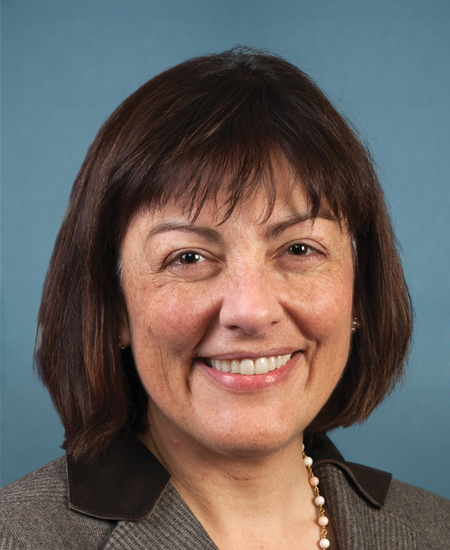
Rep. Suzan K. DelBene
Sponsored bills
Maddy summaryThe Diversify Act expands the federal TEACH Grant program by doubling the maximum annual award to $8,000 and increasing the total grant limit to $32,000 for eligible teacher candidates. These funds can be applied directly toward a student's full cost of attendance, including tuition and fees. The bill also broadens the definition of qualifying service to include teaching in high-need early childhood education programs, not just schools with significant shortages of qualified teachers. Additionally, it prohibits the government from imposing monetary penalties if a recipient fails to complete the required teaching service and exempts the program from automatic budget cuts known as sequestration.
Maddy summaryThe Meals for Communities Tax Credit Act creates a new tax incentive for restaurants and retail food establishments that donate prepared meals to qualifying charitable organizations. Eligible businesses can claim a credit equal to 50 percent of the fair market value of their donations, with the value of each individual meal capped at $14, subject to annual inflation adjustments starting in 2027. The total credit available to any single taxpayer is limited to $50,000 per year, and businesses cannot also claim a standard tax deduction for the same donated meals. This provision becomes effective for taxable years beginning after December 31, 2025.
Maddy summaryThe Taxpayer Advocate Participation Act allows the National Taxpayer Advocate to formally participate in federal court cases involving tax law by submitting friend-of-the-court briefs. This provision specifically authorizes the advocate to present views on issues that broadly impact taxpayer rights, particularly those outlined in the Internal Revenue Code. Federal courts are required to grant the advocate's request to appear in these cases, ensuring their perspective is heard without changing the underlying tax laws. The change takes effect immediately upon the bill's enactment, expanding the role of the Taxpayer Advocate in the judicial process.
Maddy summaryThis bill would require Medicare to cover early detection screening tests for Alzheimer's disease and related dementias starting January 1, 2028. It defines eligible tests as FDA-cleared genomic blood tests, blood product analyses, or equivalent medical imaging methods (like protein expression or whole genome sequencing) that detect pre-symptomatic or early-stage conditions. Medicare beneficiaries would receive this coverage without cost-sharing for these specific screenings. The bill amends Medicare coverage rules to explicitly include these tests under Section 1861(nnn) of the Social Security Act.
Maddy summaryThis bill creates a 6-year Medicare pilot program providing medically tailored home-delivered meals and nutrition counseling to specific high-risk Medicare patients after hospital discharge. It targets individuals with diet-impacted conditions (like diabetes or heart failure) who live at home, have limited mobility, and are at high risk of hospital readmission. Selected hospitals must meet quality standards, screen patients using approved tools, and deliver at least two meals daily meeting nutritional needs while respecting cultural/religious dietary requirements, all without patient cost-sharing. The program requires hospitals to submit data for the Secretary to evaluate health outcomes, readmission rates, and cost savings compared to non-participants. Funding comes from the Medicare Hospital Insurance Trust Fund, offset by reductions to other hospital payments to maintain budget neutrality.
Maddy summaryThis bill requires the Congressional Budget Office (CBO) to identify potential budget savings from preventive health care in its scoring of proposed legislation. Specifically, it directs the CBO Director to describe and estimate reductions in future federal spending resulting from preventive health interventions - such as screenings or vaccinations - when requested by congressional budget committee leaders. These savings would be included as supplementary information in budget projections, but not used to meet budget enforcement rules. The bill does not change actual health programs or funding; it only modifies how the CBO accounts for potential long-term savings from preventive care in budget analysis.