

Maddy summaryThis House concurrent resolution supports designating the week of September 21 through September 25, 2026, as National Falls Prevention Awareness Week to highlight fall risks among adults over age 65. The bill cites statistics showing that falls are a leading cause of injury and death in this demographic, resulting in significant medical costs for Medicare, Medicaid, and private payors. It recognizes the effectiveness of cost-effective prevention strategies such as exercise programs, medication management, and home hazard reduction. Additionally, the resolution encourages federal investments in these programs and acknowledges the collaborative efforts of government agencies, health care providers, and community organizations to reduce fall risks.
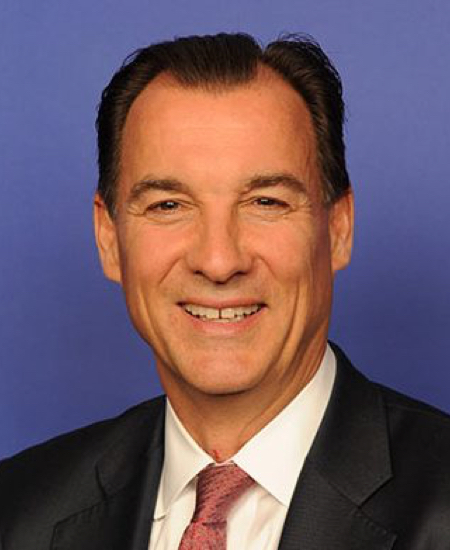
Rep. Thomas R. Suozzi
Sponsored bills
Maddy summaryThis House resolution formally supports the recognition of September 27, 2026, through October 3, 2026, as "Asian American and Native American Pacific Islander-Serving Institutions Week." The bill marks the 19th anniversary of Congress first authorizing funding for these specific colleges and universities in 2007. It highlights that these institutions enroll a significant majority of Asian American, Native Hawaiian, and Pacific Islander undergraduate students, many of whom are from low-income or first-generation college families. The resolution encourages these schools to continue securing resources and calls on the public to observe the week with events that demonstrate support for their educational mission.
Maddy summaryThe Romance Scam Prevention Act requires online dating platforms to send immediate notifications to users who message someone banned for scamming. These warnings must include the banned user's profile details, a fraud alert, safety tips to avoid financial scams, and contact information, delivered within 24 hours (with limited exceptions for law enforcement investigations). It directly affects dating apps like Tinder or Bumble and their users by mandating clear, timely fraud alerts to prevent financial exploitation. The law takes effect one year after enactment and shields platforms from liability for following these notification rules.
Maddy summaryHouse Resolution 1570 marks the eighth anniversary of the detention of Dr. Gulshan Abbas, a retired Uyghur doctor who has been imprisoned in China since 2018. The resolution characterizes her imprisonment as an act of transnational repression intended to retaliate against her family members for exercising free speech in the United States. It calls on the Chinese government to immediately and unconditionally release Dr. Abbas and condemns the use of detention to silence critics abroad. Additionally, the bill urges U.S. officials to raise her case during diplomatic engagements with China and recommends considering sanctions against responsible officials while working with international partners to secure her freedom.
Maddy summaryHR 5334, the SEED Act of 2025, expands the existing educator expense deduction under federal tax law to explicitly include early childhood educators. It revises the Internal Revenue Code to cover expenses for "early childhood educators" and broadens the educational levels affected to include "pre-kindergarten through grade 12." This change allows early childhood educators (such as preschool teachers) to deduct work-related expenses like classroom supplies and professional development costs, which they previously could not claim under the existing deduction for "kindergarten through grade 12" teachers. The amendment applies to expenses incurred in taxable years beginning after December 31, 2024.
Maddy summaryThe Jimmy Lai Hong Kong Political Prisoner Accountability Act of 2026 mandates that the Secretary of State impose financial sanctions on Chinese or Hong Kong officials if a political prisoner dies in custody due to medical neglect, abuse, or poor conditions. The bill defines "political prisoners" as individuals detained for exercising protected rights or convicted under specific national security laws, establishing a presumption of political status for those charged under these statutes. It requires the U.S. government to coordinate with international allies and use its influence at the United Nations to investigate such deaths and advocate for the release of detainees. Additionally, the legislation directs annual reports on the health and legal access of prisoners like Jimmy Lai and authorizes visa restrictions on the family members of sanctioned officials.
Maddy summaryThe Tax Relief for Fraud Victims Act helps individuals who suffer financial losses due to theft involving fraud, deceit, or misrepresentation by changing how they can claim tax deductions. It allows taxpayers to treat these theft losses as occurring when they discover them rather than when the theft happens, giving them more time to file for refunds. The bill also extends the deadline for filing refund claims related to these losses and provides special rules for withdrawing retirement funds to cover such losses without immediate tax penalties. Additionally, the legislation includes specific provisions for victims of pyrrhotite-related home damage, allowing them to claim deductions and file refunds based on discovery dates rather than the standard future effective date.
Maddy summaryThe Nitrous Oxide Safety Act of 2026 would classify consumer products containing nitrous oxide as banned hazardous items under federal law, except for specific exceptions. The bill prohibits the sale of nitrous oxide products for recreational use while allowing continued sales for medical and dental treatments, food production in commercial kitchens, research and development activities, and food propellant applications. This legislation directly affects manufacturers, retailers, and consumers by restricting access to nitrous oxide in consumer products after 180 days from enactment. The law defines nitrous oxide as the gas known as laughing gas or whippits and specifies which entities and activities are exempt from the ban.
Maddy summaryHR 6152, the Foreign Robocall Elimination Act, establishes an interagency task force to address foreign robocalls entering the United States. The task force, composed of the FCC, FTC, DOJ, and private sector representatives, will study the origins, impacts, and potential solutions to foreign robocalls and must submit a report to Congress within 360 days. The bill also modifies existing law to require FCC notices about robocall mitigation every three years instead of annually, and introduces a bond requirement for providers using the Robocall Mitigation Database. This legislation affects telecommunications providers, federal agencies, and all U.S. telephone users who receive unwanted calls. The bill aims to improve coordination between U.S. agencies and foreign countries in combating illegal robocalls through concrete policy changes.