

In committee Sep 24, 2026
0 co-sponsors
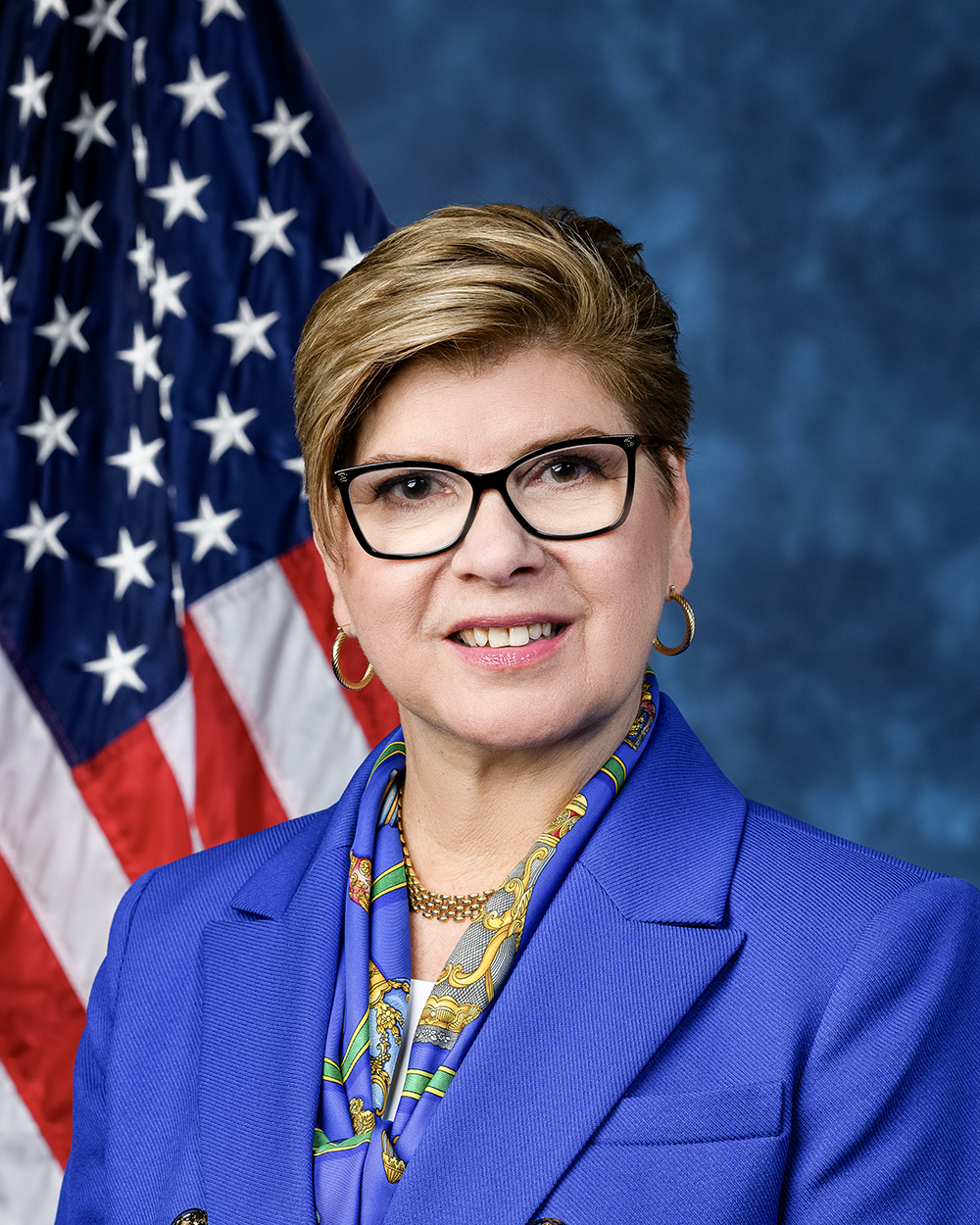
Rep. Nellie Pou
Total votes
669
all sessions
Attendance
100%
of floor votes
Higher than 96% of chamber peers
With party
97%
of cast votes
Near the chamber average
Bipartisan score
1%
crosses aisle rarely
Near the chamber average
Sponsored
262
bills & resolutions
Near the chamber average
Committees
6
assignments
262 bills and resolutions
Sponsored bills
Total
262
Primary
15
Co-sponsor
247
This page
262
matching current filters
Puerto Rico Disaster Recovery Completion Act of 2026
Maddy summaryThis bill extends the deadline for completing federal disaster recovery projects in Puerto Rico until December 31, 2035, affecting state and local governments as well as private nonprofit facility owners. It specifically targets unfinished infrastructure and mitigation projects resulting from Hurricane Irma, Hurricane Maria, the 2020 earthquakes, and Hurricane Fiona. The legislation allows recipients to request further time extensions after 2035 if needed. Additionally, it requires the Federal Emergency Management Agency to submit annual reports to Congress detailing project progress, projected completion dates, and any obstacles hindering recovery efforts.
In committee Sep 16, 2026
1 co-sponsor
9–8–8 Implementation Act of 2026
Maddy summaryThe 9-8-8 Implementation Act of 2026 expands federal funding and mandates insurance coverage for behavioral health crisis services, directly affecting individuals experiencing mental health or substance use emergencies as well as the providers who serve them. The bill authorizes grants to upgrade local lifeline call centers, build new crisis stabilization facilities, and train a larger workforce of behavioral health professionals. It requires Medicare, Medicaid, private group health plans, TRICARE, and other federal insurance programs to cover crisis response services with financial terms no more restrictive than standard medical care. Additionally, the legislation establishes a federal panel to develop training protocols for 9-1-1 dispatchers to better connect callers to appropriate crisis care rather than law enforcement responses.
In committee Sep 16, 2026
1 co-sponsor
Department of Homeland Security Intelligence and Analysis Training Act
Maddy summaryHR 7436 requires the Department of Homeland Security (DHS) to create standardized training for all new employees in the Office of Intelligence and Analysis (OIA). This includes mandatory civil rights and privacy training (citing the Privacy Act of 1974), specialized training for analysts on intelligence standards, and open-source intelligence collection protocols. The bill also mandates tracking training completion, quarterly public lists of available advanced training from other agencies, and annual reports to Congress on implementation progress. It further requires a Comptroller General review comparing DHS training to other intelligence agencies within two years. The law directly affects OIA staff, including new hires and those in specific roles like open-source intelligence collection.
Passed Sep 16, 2026
1 co-sponsor
I&A Mission Reorientation Act of 2026
Maddy summaryHR 7443, the I&A Mission Reorientation Act of 2026, requires the DHS Office of Intelligence and Analysis (I&A) to prioritize supporting state, local, tribal, and territorial governments and private sector entities with timely intelligence. The bill mandates two-way information sharing (receiving from and sharing with these entities), maintains engagement with fusion centers, and ensures DHS leadership support doesn’t undermine this mission. It directs the I&A office to identify emerging threats through forward-deployed capabilities and report to Congress within 180 days on implementation progress and metrics for evaluating effectiveness. This bill directly affects DHS’s intelligence operations and the entities receiving their support, focusing on operational realignment rather than new funding or penalties.
Passed Sep 16, 2026
1 co-sponsor
ASAP Act
Maddy summaryThis bill would require Medicare to cover early detection screening tests for Alzheimer's disease and related dementias starting January 1, 2028. It defines eligible tests as FDA-cleared genomic blood tests, blood product analyses, or equivalent medical imaging methods (like protein expression or whole genome sequencing) that detect pre-symptomatic or early-stage conditions. Medicare beneficiaries would receive this coverage without cost-sharing for these specific screenings. The bill amends Medicare coverage rules to explicitly include these tests under Section 1861(nnn) of the Social Security Act.
In committee Sep 16, 2026
1 co-sponsor
AM Radio for Every Vehicle Act of 2025
Maddy summaryThis bill requires all new passenger vehicles manufactured for sale in the U.S. to include AM radio as standard equipment (not an optional add-on) by 2027-2028, depending on manufacturer size. It mandates that AM radio receivers must be easily accessible to drivers and allows compliance through digital AM broadcast technology. During a transition period, manufacturers must clearly label vehicles without AM radio but cannot charge extra for this feature. The bill also mandates a GAO study on AM radio's role in emergency alerts and includes a 10-year sunset provision for the rule. It preempts state laws regarding AM radio access in vehicles.
Passed Sep 16, 2026
1 co-sponsor
Designating September 2026 as "National Voting Rights Month".
Maddy summaryThis House resolution designates September 2026 as National Voting Rights Month to highlight the historical and ongoing challenges faced by various groups in exercising their right to vote. It encourages Congress to pass legislation that strengthens voting protections, specifically endorsing the John R. Lewis Voting Rights Advancement Act of 2025 while opposing bills that could restrict voter eligibility. The resolution also recommends that public schools develop curricula on voting history and current suppression tactics, and it invites funding for public service announcements to promote voter registration and participation.
In committee Sep 15, 2026
1 co-sponsor
Pray Safe Act of 2025
Maddy summaryThe Pray Safe Act of 2025 establishes a federal Clearinghouse within the Department of Homeland Security to provide houses of worship, faith-based organizations, and nonprofit groups at risk of threats with evidence-based safety resources. The Clearinghouse will publish online best practices for security planning, facility safety, and incident response, while listing existing federal and state grant programs to help these organizations implement these measures. It requires annual updates based on user feedback and includes a centralized resource section for contacts like Protective Security Advisors and Fusion Centers. The program expires four years after enactment and does not create new funding but coordinates existing federal and state safety resources.
In committee Sep 15, 2026
1 co-sponsor
To designate the facility of the United States Postal Service located at 2407 State Route 71, Suite 1, in Spring Lake, New Jersey, as the "James J. Howard Post Office".
Maddy summaryThis bill designates the U.S. Postal Service facility at 2407 State Route 71, Suite 1, in Spring Lake, New Jersey, as the "James J. Howard Post Office." All federal references to this location in laws, documents, or records will now use the new name. The bill is purely procedural and does not create new policies or affect any services or individuals.
Passed Sep 14, 2026
1 co-sponsor
Ask Maddy
·
AI policy assistant
Ask Maddy about Nellie Pou
Scope: south-dakota
Hi! I can help you understand Nellie Pou's legislative record. What would you like to know?
Try one of these
i
Maddy answers using official bill text and legislative records. Always verify before sharing.
Sources cited inline