

Maddy summaryHB 1292 limits South Dakota health insurance companies' ability to take back payments they've already made for medical services. It requires insurers to provide written notice at least 30 days in advance if they seek to recoup a payment, and restricts such actions to claims paid within the previous 18 months (with exceptions for fraud, Medicare/Medicaid, workers' compensation, or duplicate payments). The bill establishes a dispute resolution process through the Division of Insurance for disagreements, preventing insurers from withholding future payments during the review. This directly affects healthcare providers (like doctors and clinics) who receive payments from insurers and the insurers themselves, applying to claims for services provided on or after July 1, 2026.
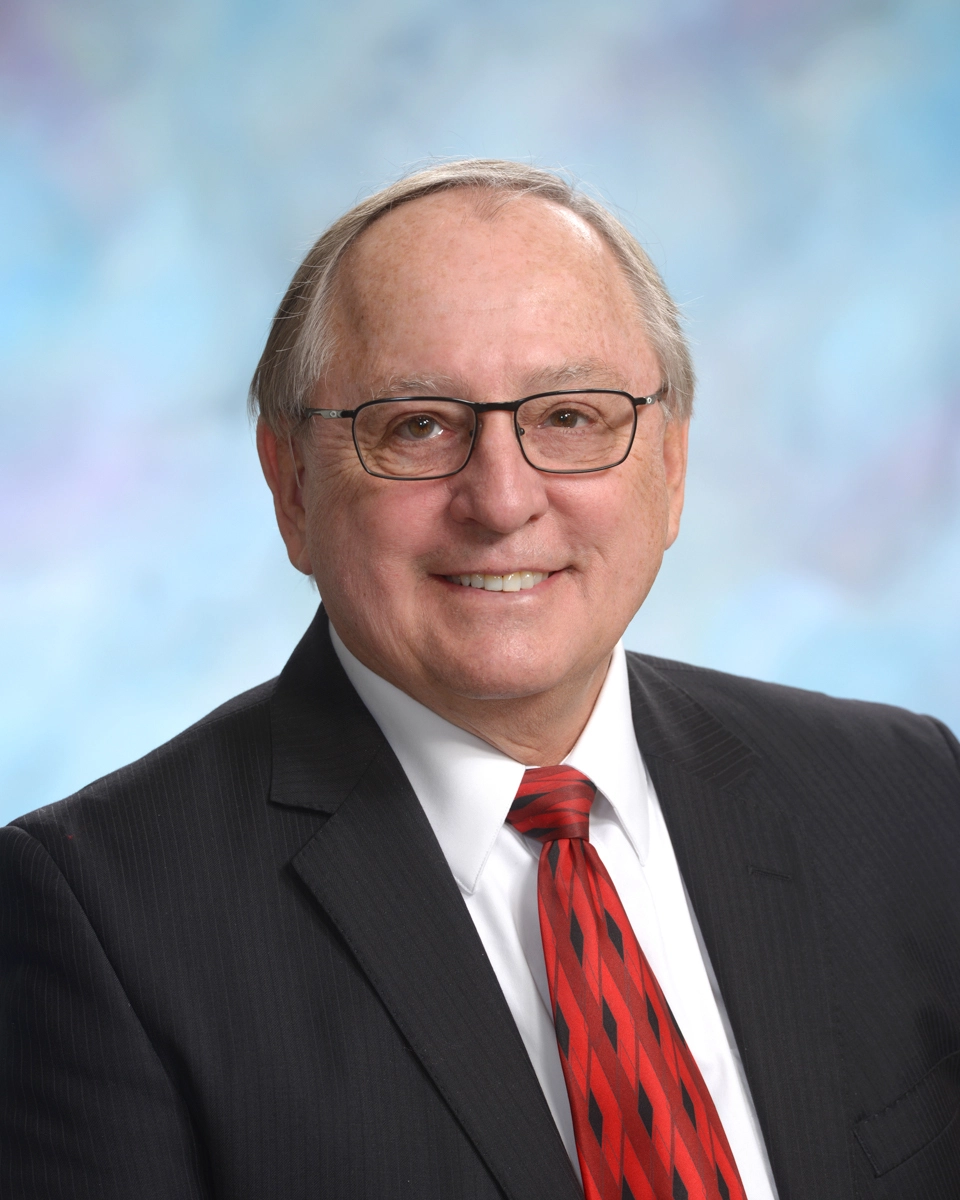
Rep. Roger DeGroot
Sponsored bills
Maddy summarySB 106 modifies South Dakota's funding for special education by increasing the state's annual allocation for unforeseen costs. Starting July 1, 2026, $4.5 million must be set aside for extraordinary expenses in special education programs, rising annually by an inflation index starting July 1, 2027, with a maximum cap of $5.5 million per year. Unspent funds will not revert to the general state budget, ensuring they remain available for future special education needs. The bill directly affects school districts providing special education services to children with disabilities across South Dakota.
Maddy summarySB 89 requires all South Dakota counties and municipalities to ensure a minimum level of emergency medical services (including response times, staffing, and treatment protocols) are available within their boundaries for prehospital care. It directs the state health department to create rules defining these minimum standards, covering aspects like ambulance response and required personnel. The bill also establishes a legislative task force to study funding mechanisms for these services and report recommendations by November 2026. The law would take effect on July 1, 2028, impacting local governments responsible for emergency medical service provision.
Maddy summarySB 132 amends South Dakota law (§ 1-46A-5) to clarify the composition and consultation process of the South Dakota Veterans Council. The bill specifies that the Council must include one representative each from eight designated veterans organizations, such as the American Legion, Disabled American Veterans, and Veterans of Foreign Wars, plus a representative from Vietnam Veterans of America chapters 1054 and 959. It requires the Department of Veterans Affairs to consult with the Council quarterly on veteran-related matters and mandates the Council provide recommendations on budgets, legislation, policies, and programs affecting veterans and their dependents. This bill directly affects the Council's membership structure and its formal role in advising state veterans' affairs.
Maddy summaryHB 1148 adopts the Respiratory Care Interstate Compact, allowing respiratory therapists licensed in South Dakota to practice in other participating states without obtaining separate licenses. The bill also requires respiratory care practitioners to undergo a criminal background check and submit fingerprints as part of their South Dakota licensure application. This compact aims to increase access to respiratory therapy services, support military families by easing relocation for therapists, and address workforce shortages through streamlined interstate practice. It preserves each state’s authority to regulate licensure and protect public health while creating a standardized process for therapists moving across state lines.
Maddy summaryHB 1082 requires South Dakota school districts to provide free or reduced-price meals to eligible students without charging them, as defined by federal programs (National School Lunch Program and School Breakfast Program) starting January 1, 2026. The bill mandates that the South Dakota Department of Education reimburse school districts for costs incurred on these meals, after subtracting any federal reimbursement received. This directly affects school districts serving students qualifying for federal meal programs and ensures state funding covers the gap between federal support and actual meal costs. The law amends Section 13-35-2 of South Dakota law to clarify these reimbursement parameters.
Maddy summaryHB 1138 requires non-medical home care agencies in South Dakota to obtain a license from the Department of Health before operating. Agencies must submit applications, pay a fee (capped at $100), and verify that home care aides complete 10 hours of mandatory training (covering dementia care, safety, nutrition, and abuse reporting) and pass criminal background checks. The bill directly affects home care agencies, their employees (home care aides), and clients receiving services like bathing assistance, meal prep, or companionship in their homes. Operating without a license is a Class 1 misdemeanor, and agencies must maintain client records and allow department inspections.
Maddy summarySB 36 requires electric utilities and wholesale electricity generators in South Dakota to develop and submit wildfire mitigation plans to either the Public Utilities Commission or their local governing body (like a city council). These plans must include specific strategies for risk assessment, infrastructure inspections, vegetation management, and community outreach to reduce wildfire risks. Utilities must also submit annual compliance reports by April 1st each year, with filing fees of $500 for initial plans and $250 for reports. The bill establishes a standardized process for these plans and reports but does not specify liability protections beyond the plan requirements.
Maddy summarySouth Dakota's SB 87 ensures counties cover the full cost of forensic medical examinations for victims of sexual assault or rape, eliminating out-of-pocket expenses for victims. The bill specifies covered costs include physician services, necessary tests (like STD screenings and pregnancy tests), supplies, and medications, with payments capped at Medicaid rates. It allows minors aged 16+ to consent to exams without parental permission and permits exams for protected persons without guardian consent, provided informed consent is obtained. Hospitals and clinics cannot bill victims beyond these Medicaid-based limits, and must notify victims of their no-cost access regardless of cooperation with law enforcement.
Maddy summaryHB 1130 amends South Dakota school districts' capital outlay fund rules to allow new uses. It specifically permits districts to spend these funds on textbooks (§ 13-16-6(5)(b)), instructional software purchases or renewals (§ 13-16-6(6)), and warranties for capital assets (excluding supplies, § 13-16-6(5)(a)). The bill also clarifies that districts may use up to 15% of transportation contracts or mileage reimbursement costs from this fund. Additionally, it allows transferring up to 45% of annual capital fund revenues to the general fund, while maintaining that small purchases ($1,000 or less) must come from the general fund instead. This directly affects South Dakota public school districts managing their capital budgets.