

0 co-sponsors
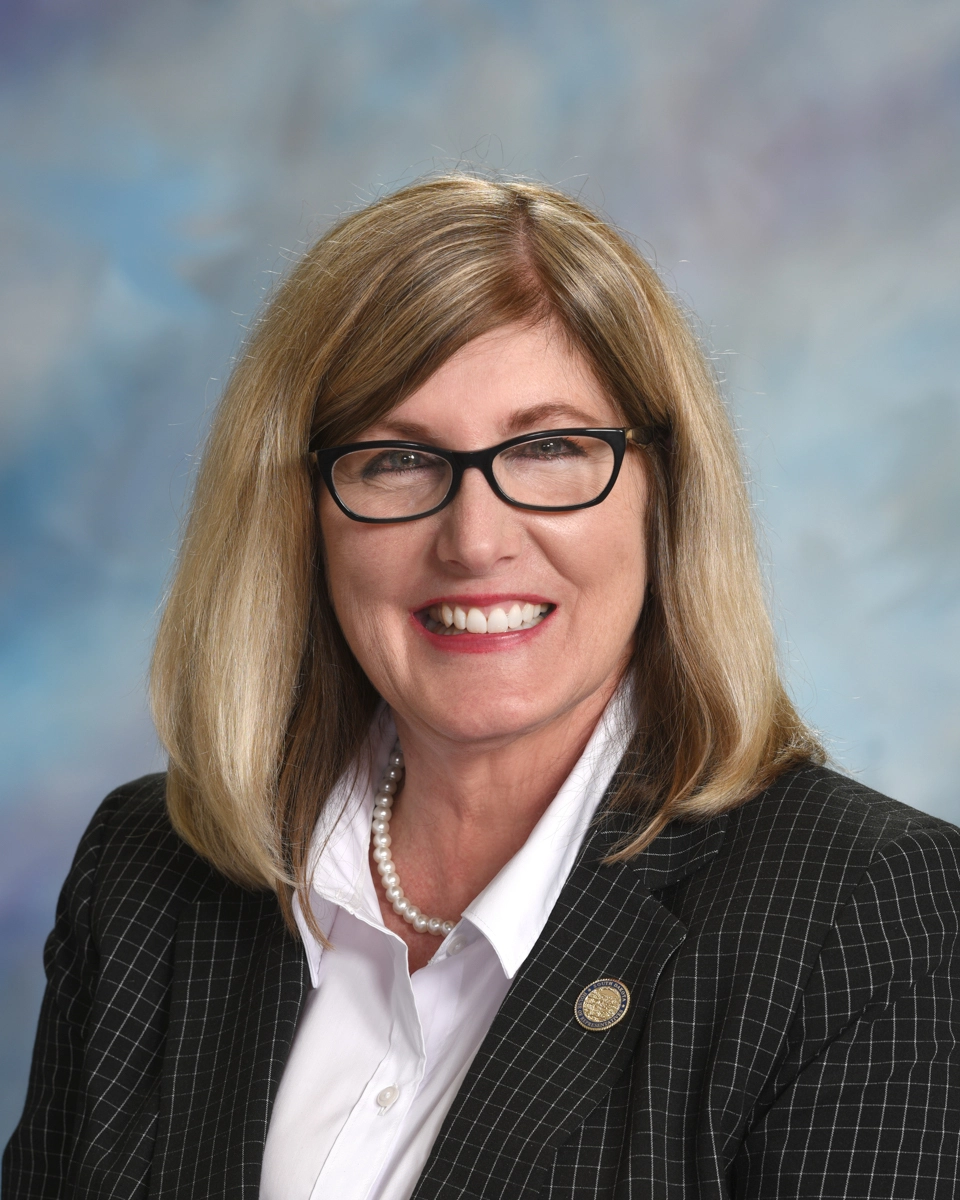
Rep. Mary Fitzgerald
Total votes
2,456
all sessions
Attendance
97%
58 missed
Near the chamber average
With party
88%
of cast votes
Near the chamber average
Bipartisan score
8%
crosses aisle rarely
Near the chamber average
Sponsored
296
bills & resolutions
Near the chamber average
Committees
2
assignments
296 bills and resolutions
Sponsored bills
Total
296
Primary
296
Co-sponsor
0
This page
296
matching current filters
modify the distributions of revenues collected from severance taxation on new permits.
Maddy summaryHB 1089 modifies how South Dakota distributes severance tax revenue from precious metals mining. It changes the rules for permits issued on or after July 1, 2026: 80% of the tax revenue goes to the state general fund, while 20% is sent to the county where mining occurs. Unlike previous rules, this 20% county share cannot be reduced if a mining company is acquired. The bill also maintains that revenue from mining on state-owned land must go to the common school permanent fund. This directly affects new mining permit holders after 2026 and the counties where they operate.
Budget & TaxesSupports Budget & TaxesBill directs severance tax revenue to state general fund (80%), counties (20% protected), and common school fund, ensuring specific funding streams for budget allocation.
EducationSupports EducationBill mandates severance tax revenue from state-owned mining land to common school permanent fund, directly funding K-12 education.
Signed into law Mar 30, 2026
0 co-sponsors
modify the distribution of gaming revenues.
Maddy summarySB 102 modifies how South Dakota distributes gaming revenues after the City of Deadwood receives $6.8 million annually from the Gaming Commission fund. It shifts the allocation over time: starting in 2026, 70% of remaining funds go to the state general fund (reducing to 20% by 2029), while 10% each goes to Lawrence County municipalities (excluding Deadwood) based on population, school districts in Lawrence County based on student enrollment, and Deadwood itself for historic preservation. Deadwood’s share increases from 10% in 2026 to 60% by 2029. The bill directly affects state budgets, Lawrence County communities, local schools, and Deadwood’s historic preservation efforts.
Signed into law Mar 30, 2026
0 co-sponsors
revise a provision related to theft by a contractor, subcontractor, or supplier.
Maddy summaryHB 1066 revises South Dakota's theft statute to clarify that contractors, subcontractors, or suppliers do not commit theft by withholding payment proceeds until work is completed and approved. The bill amends Section 44-9-13 to explicitly state that holding funds pending final work approval is not a violation of the theft law. This directly affects construction industry professionals who handle project payments and must pay for labor or materials before using funds. The key change removes ambiguity about when withholding payment constitutes theft, specifically excluding legitimate holds for completed work. The amendment maintains existing penalties for actual theft but clarifies the legal boundary for payment management.
Signed into law Mar 30, 2026
0 co-sponsors
add coaches to the list of mandatory reporters of child abuse or neglect.
Maddy summaryHB 1187 adds coaches to South Dakota's list of mandatory reporters required to report suspected child abuse or neglect. The bill directly affects coaches who work with children under 18, including those in school sports, youth programs, or other settings involving minors. Coaches would now be legally obligated to report suspected abuse or neglect, just like teachers, doctors, and other existing mandatory reporters listed in state law. This change aligns coaches with similar professionals already required to make such reports under South Dakota statutes.
Signed into law Mar 30, 2026
0 co-sponsors
update provisions pertaining to open records.
Maddy summaryHB 1092 updates South Dakota's open records law by clarifying which government records can be kept private. It exempts specific categories, including student personal information (except directory details), medical records (excluding birth/death records), trade secrets, attorney work product, law enforcement investigation details, property appraisal records, and security plans for buildings or critical infrastructure. The bill explicitly states it does not change existing laws regarding birth/death records or certain law enforcement privileges. This affects public entities like schools, hospitals, police departments, and government agencies that handle these exempt records.
Signed into law Mar 12, 2026
0 co-sponsors
clarify and establish requirements related to forensic medical examinations.
Maddy summarySouth Dakota's SB 87 ensures counties cover the full cost of forensic medical examinations for victims of sexual assault or rape, eliminating out-of-pocket expenses for victims. The bill specifies covered costs include physician services, necessary tests (like STD screenings and pregnancy tests), supplies, and medications, with payments capped at Medicaid rates. It allows minors aged 16+ to consent to exams without parental permission and permits exams for protected persons without guardian consent, provided informed consent is obtained. Hospitals and clinics cannot bill victims beyond these Medicaid-based limits, and must notify victims of their no-cost access regardless of cooperation with law enforcement.
Criminal JusticeSupports Criminal JusticeEliminates victim costs for forensic exams, aligning with victim rights and access to justice reforms in sexual assault cases.
HealthcareSupports HealthcareEliminates out-of-pocket costs for forensic medical exams, covering essential services like STD/pregnancy tests, improving access to healthcare for sexual assault victims.
Signed into law Mar 9, 2026
0 co-sponsors
honoring Dr. Margaret Becker as the recipient of the 2025 Copic Humanitarian Award.
Maddy summaryThis bill honors Dr. Margaret Becker by formally recognizing her as the recipient of the 2025 Copic Humanitarian Award. It acknowledges her work as a physician at Monument Health Spearfish Clinic and her eight-year role as medical director of the Good Shepherd Free Clinic, where she has provided care to patients who might otherwise lack access to medical attention. The legislation designates the Good Shepherd Free Clinic as the recipient of the $10,000 donation associated with the award, which Dr. Becker chose to direct toward her clinic. This commemorative resolution celebrates her volunteer medical services and contributions to improving lives in western South Dakota.
Introduced Mar 4, 2026
0 co-sponsors
honoring TKO’s Custom Catering and Capitol Cafe for outstanding service.
Maddy summaryThis bill is a legislative commemoration that honors TKO's Custom Catering and Capitol Cafe for their outstanding service during the legislative session. It recognizes the catering team for providing meals to legislators, staff, and visitors throughout the Capitol Building, contributing to a positive work environment. The resolution formally acknowledges their dedication and high-quality food service, but does not create any new laws, regulations, or funding.
Introduced Mar 4, 2026
0 co-sponsors
establish the homeowner tax reduction fund.
Maddy summarySB 125 creates a state fund to provide property tax rebates for owner-occupied single-family homes in South Dakota. The Department of Revenue will calculate annual rebates using a formula: multiplying $2 by the number of eligible homeowners, subtracting that from the fund's total, and dividing by the number of homeowners. Rebates are capped at either this calculated amount or the portion of property taxes exceeding $250 per home. The fund cannot be diverted to the general state budget, and any unused funds must stay in the fund or cover administrative costs. This directly affects homeowners who live in single-family residences and pay property taxes.
Passed Mar 4, 2026
0 co-sponsors
Ask Maddy
·
AI policy assistant
Ask Maddy about Mary Fitzgerald
Scope: south-dakota
Hi! I can help you understand Mary Fitzgerald's legislative record. What would you like to know?
Try one of these
i
Maddy answers using official bill text and legislative records. Always verify before sharing.
Sources cited inline