

Maddy summaryHB 1200 appropriates $8 million from South Dakota's general fund to the Department of Public Safety for grants to nonprofit organizations providing specific victim services. It directly supports nonprofits focused on helping children abused or neglected, domestic violence victims, sexual assault victims, or victims of commercial sexual exploitation/trafficking. The bill allows grant funds to cover 24/7 emergency services, counseling, crisis lines, case management, sexual assault nurse examiner training, and child advocacy center services - excluding new programs or legal aid. Nonprofits must apply annually between July 1 and August 31, report on services delivered, and prioritize organizations seeking additional funding. The appropriation becomes effective June 30, 2026.
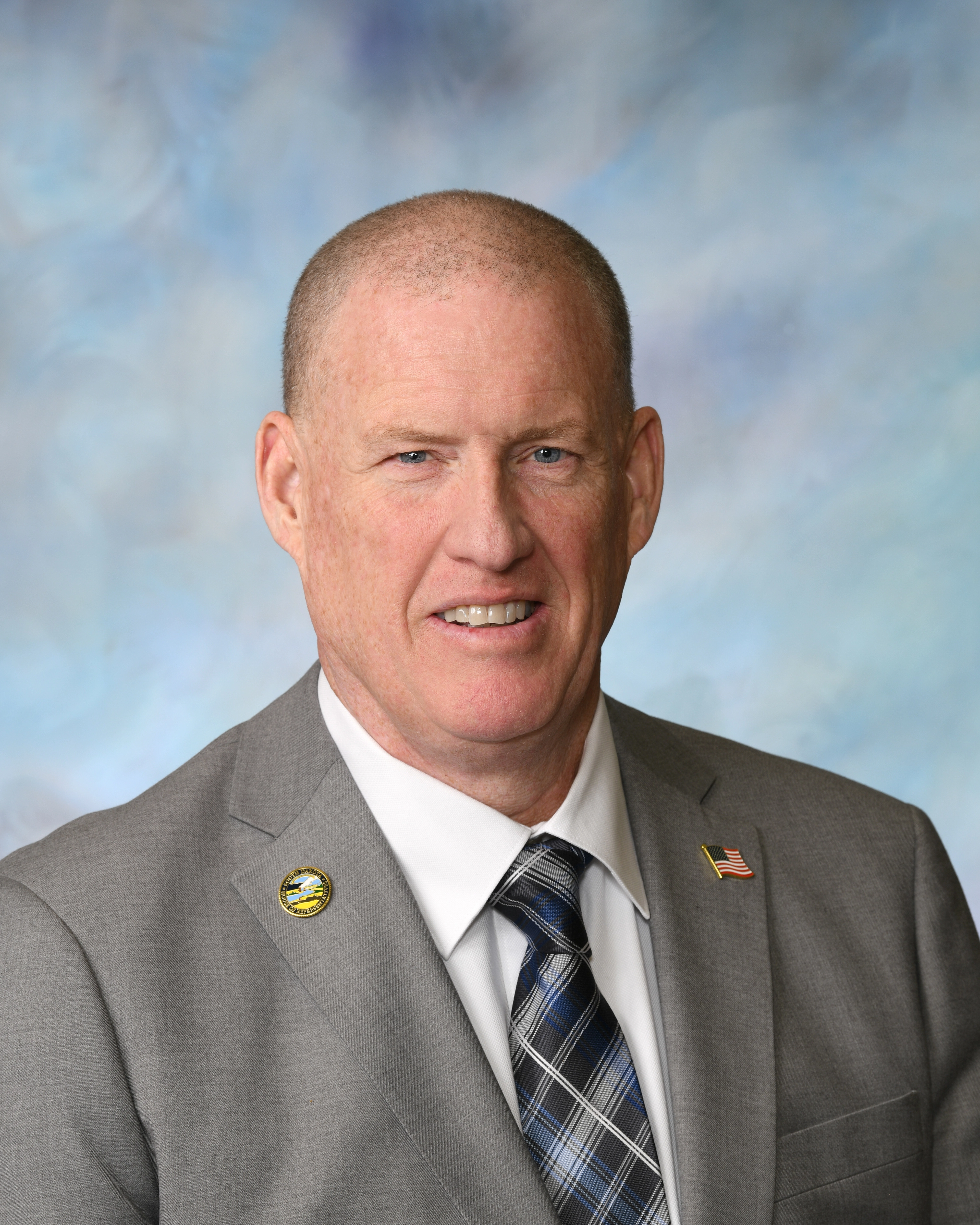
Rep. Kevin Van Diepen
Sponsored bills
Maddy summaryHB 1244 repeals South Dakota’s special donations fund (created under § 13-66-3) and appropriates $500,000 from the general fund to the Department of Education. This grant supports the Jobs for America's Graduates-South Dakota program by providing financial assistance to school districts and accredited nonpublic schools implementing the initiative. The funds must match private donations or federal grants for program operations and cannot be added to an endowment. It directly affects schools participating in the JAG program and transfers existing funds from the repealed special donations fund into the general fund. The bill takes effect June 30, 2026.
Maddy summarySB 237 requires developers seeking conditional use permits for projects that would significantly strain public infrastructure or rights-of-way to send certified mail notice to county or municipal authorities at least 45 days before applying. Authorities must then schedule a public hearing within 30 days to determine if a "haul road agreement" (a contract for using public roads to transport heavy materials) or other conditions are needed. Within 14 days after the hearing, authorities must provide a written decision to the applicant about required agreements or conditions. This bill directly affects developers, counties, and municipalities by adding procedural steps to review infrastructure impacts before granting permits.
Maddy summarySB 36 requires electric utilities and wholesale electricity generators in South Dakota to develop and submit wildfire mitigation plans to either the Public Utilities Commission or their local governing body (like a city council). These plans must include specific strategies for risk assessment, infrastructure inspections, vegetation management, and community outreach to reduce wildfire risks. Utilities must also submit annual compliance reports by April 1st each year, with filing fees of $500 for initial plans and $250 for reports. The bill establishes a standardized process for these plans and reports but does not specify liability protections beyond the plan requirements.
Maddy summarySB 236 creates a new "county and township infrastructure fund" in South Dakota's state treasury to manage unspent money from existing rural access infrastructure funds. It requires counties to transfer any unobligated funds (money not committed to specific projects) by June 30, 2029, to this state fund instead of letting them revert to the general budget. The fund will hold these unspent moneys for future allocation to counties, following existing rules for rural road projects, and will be administered by the Department of Revenue. This bill does not change how funds are spent but provides a formal mechanism for accounting, safekeeping, and future distribution of leftover funds.
Maddy summaryHB 1111 modifies South Dakota's rules for agricultural processors (like those who thresh, shell, or process crops) seeking liens on the grain, silage, or other products they handle. It requires processors to provide detailed written accounts of services, file financing statements electronically within 30 days of processing completion, and notify buyers if liens exist before crop sales. The bill clarifies lien priority over other claims and mandates enforcement actions within 30 days of filing, or the lien expires. This directly affects processors seeking payment and farmers selling processed crops.
Maddy summaryHB 1056 requires South Dakota's Department of Social Services to submit a federal waiver request by September 1, 2026, to exclude soft drinks from the Supplemental Nutrition Assistance Program (SNAP). The bill defines "soft drink" as nonalcoholic sweetened beverages (excluding milk, milk substitutes, and approved juices) and mandates annual waiver requests if initially denied. If approved, the restriction would take effect within six months, directly affecting SNAP participants who currently purchase soft drinks with benefits. This policy change would alter eligibility under federal SNAP rules for South Dakota recipients.
Maddy summaryHB 1201 authorizes South Dakota booster clubs (like school or community groups) to operate bingo games, lotteries, and pull-tab devices for fundraising. The bill adds booster clubs to the list of organizations allowed to host these activities under existing rules, requiring them to follow specific safeguards: prizes cannot exceed $2,000 per play, they must provide 30 days' written notice to local governments before events, and no one can be paid more than minimum wage (or $60/hour) for organizing sessions. It also clarifies that booster clubs can use mechanical pull-tab devices under the same conditions as other eligible groups. This changes current law to explicitly permit these fundraising methods for booster clubs while maintaining oversight and financial restrictions.
Maddy summaryThis bill reduces property taxes for homeowners by lowering the mill levy rate on owner-occupied single-family homes from $5.21 to $20.51 per $1,000 of taxable value (with the exact figure clarified in the bill text). It simultaneously raises the state sales tax from 4.2% to 4.7% for 2026-2027 and to 5% after 2027, and expands the gross receipts tax to cover more services like dry cleaning, beauty shops, and rentals. The revenue from these tax increases is explicitly allocated to replace lost school district property tax revenue and fund pay raises for state and school employees. The bill ensures school districts maintain their total funding levels under the new system.
Maddy summaryHB 1034 would increase fees for vehicle decals and license plates mailed directly to owners. Specifically, it raises the fee to $2.50 per decal set and $12 per license plate set when mailed. This change directly affects South Dakota vehicle owners who choose to have their decals or plates sent by mail instead of picking them up in person. The bill amends existing law to implement these higher mailing fees, which apply only to mail-delivered items, not in-person transactions. The policy change is limited to the fee structure for mailed vehicle registration materials.