

Maddy summaryHB 1292 limits South Dakota health insurance companies' ability to take back payments they've already made for medical services. It requires insurers to provide written notice at least 30 days in advance if they seek to recoup a payment, and restricts such actions to claims paid within the previous 18 months (with exceptions for fraud, Medicare/Medicaid, workers' compensation, or duplicate payments). The bill establishes a dispute resolution process through the Division of Insurance for disagreements, preventing insurers from withholding future payments during the review. This directly affects healthcare providers (like doctors and clinics) who receive payments from insurers and the insurers themselves, applying to claims for services provided on or after July 1, 2026.
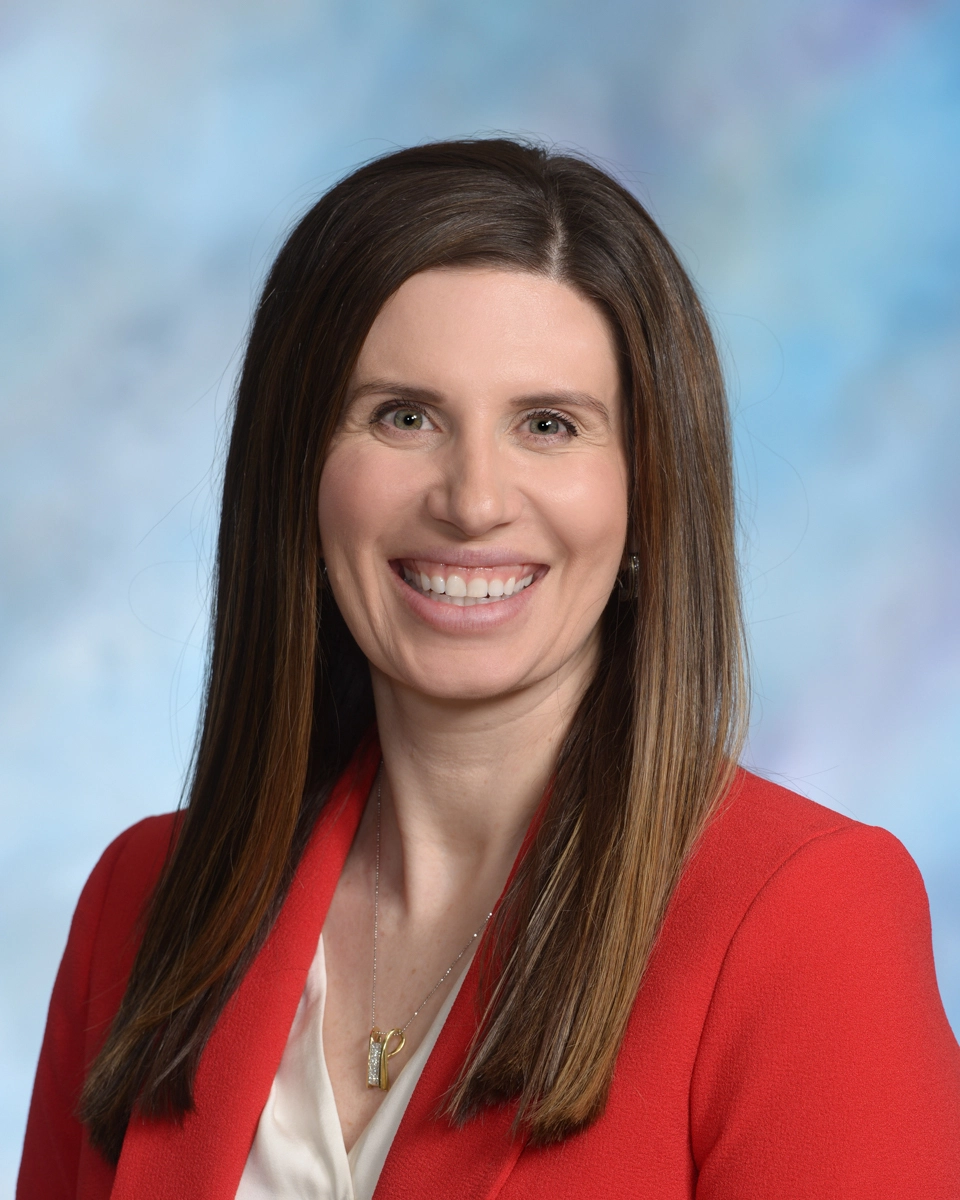
Rep. Amber Arlint
Sponsored bills
Maddy summaryHB 1298 prohibits publishing a judicial or law enforcement officer's home address, date of birth, or social security number online without their consent if done with the intent to cause fear for the officer's safety or their immediate family's safety. The law applies only to electronic publications and targets individuals who share such sensitive personal information under these specific conditions. Violating this prohibition is classified as a Class 6 felony. The bill directly protects officers by restricting the online dissemination of their personal details that could enable threats or harassment.
Maddy summaryHB 1244 repeals South Dakota’s special donations fund (created under § 13-66-3) and appropriates $500,000 from the general fund to the Department of Education. This grant supports the Jobs for America's Graduates-South Dakota program by providing financial assistance to school districts and accredited nonpublic schools implementing the initiative. The funds must match private donations or federal grants for program operations and cannot be added to an endowment. It directly affects schools participating in the JAG program and transfers existing funds from the repealed special donations fund into the general fund. The bill takes effect June 30, 2026.
Maddy summaryHB 1215 allows South Dakota counties and municipalities to issue licenses for cigar bars, directly affecting business owners seeking to operate such establishments and local governments responsible for licensing. The bill requires cigar bars to have a humidor, be fully enclosed with proper ventilation, generate at least 10% of income from cigar sales, and prohibit all tobacco products except cigars. Local governments must hold public hearings for applications and report annual cigar sales income to the Department of Revenue, while also posting clear smoking restrictions. The law explicitly excludes these venues from other liquor license limits and prohibits transferring licenses to new owners.
Maddy summaryHB 1102 reschedules the annual report filing deadline for limited liability companies (LLCs) and limited liability partnerships (LLPs) in South Dakota. The bill changes the current requirement for reports to be filed by January 31st each year to a new date (the specific new date is not provided in the bill text). This procedural change directly affects all LLCs and LLPs operating in South Dakota that must file annual reports with the Secretary of State. The bill does not alter the content or substance of the reports, only the timing of the filing obligation.
Maddy summaryThis bill honors Josie Hill, a University of South Dakota women's basketball player, by officially recognizing her athletic achievements and community contributions. The legislation acknowledges her success at high school, Chicago State University, and her current role at the University of South Dakota, where she has become a role model for Indigenous youth. As a commemorative resolution, it does not create new laws or policies but instead formally records the state's appreciation for her accomplishments. The measure is sponsored by Representative Pourier and serves as a tribute rather than a functional policy change.
Maddy summaryHB 1197 clarifies the court where adoption cases must be filed in South Dakota. It specifies that adoption petitions must be filed in a county where the adopting parent resides, the child's care agency is located, or the child was born/resides - unchanged from current law. The bill streamlines the language of existing rules without adding new options or altering the process. This procedural update directly affects adoption cases and the courts handling them, ensuring clarity in venue selection. (2 sentences, as it is a procedural clarification).
Maddy summaryHB 1035 clarifies definitions for public accountant licensure in South Dakota by amending Section 36-20B-1 of the state code. The bill updates terms like "Owner" (to include nonlicensees in CPA firms), "Peer review," and "Principal place of business" to better reflect current practice standards. It directly affects licensed public accountants, CPA firms, and the South Dakota Board of Accountancy by standardizing terminology used in licensing rules. This is a procedural amendment focused solely on definition clarity, not new requirements or fees.
Maddy summaryHB 1073 requires every public and accredited nonpublic school in South Dakota to create a cardiac emergency response plan. The bill mandates schools to develop these plans with local emergency services, including forming response teams, placing accessible automated external defibrillators (AEDs) in schools and athletic venues, and training staff in CPR and AED use. Schools must conduct annual drills and maintain AEDs, with specific training requirements for coaches, athletic trainers, nurses, and response team members. This law directly affects all South Dakota schools and aims to improve emergency response for heart-related incidents during school activities.
Maddy summaryHB 1076 revises restrictions on where sex offenders can live near community safety zones (areas near schools, parks, or shelters). It adds two new exceptions allowing offenders to reside there: if they established their home before July 1, 2024, or if the school/park was built after they moved in. The bill expands existing exceptions for offenders in prison, halfway houses, homeless shelters, or healthcare facilities. Violations remain felonies, with repeat offenses carrying harsher penalties. The bill also declares an emergency to take immediate effect.