

Foreign Service Modernization Act
The Foreign Service Modernization Act aims to reform the U.S. diplomatic workforce by updating recruitment, training, and management policies. It requires the State Department to recruit more broadly from community colleges and technical schools, establish a new Veterans and Foreign Service Pathway Program, and create a pilot Diplomatic Reserve Corps to handle crises. The bill also mandates comprehensive training on cybersecurity, artificial intelligence, critical minerals, and crisis leadership, while strengthening protections for officers pursuing external education and clarifying rules for promotions and assignments.
Bill status
passed
3 of 5 stages cleared
Introduction
Jun 2026
Committee Review
Sep 2026
House Passage
Sep 2026
Senate Passage
President
Introduced Jun 2, 2026
Last action Sep 17, 2026
Maddy AI version diff · 1 comparison
What changed between versions
Introduced in House
→
Engrossed in House
·
2 edits
·
Sep 16, 2026
MINOR
The Engrossed version of HR 9086 (Foreign Service Modernization Act) is nearly identical to the Introduced version, with the vast majority of changes being formatting and line-break adjustments. The one substantive change is the removal of the 'Tax residency for Foreign Service Officers' provision from Title VII, with the remaining sections renumbered accordingly (former Sec. 702 becomes Sec. 701, former Sec. 703 becomes Sec. 702).
SCOPE
The 'Tax residency for Foreign Service Officers' provision (formerly Section 701 of Title VII) was removed from the bill. The remaining Title VII sections were renumbered: 'Internships for part-time students' moved from Sec. 702 to Sec. 701, and 'Diplomatic Reserve Corps Pilot Program' moved from Sec. 703 to Sec. 702.
TECHNICAL
Extensive formatting changes throughout the bill including addition of blank lines before section headers, reformatting of list items (moving some from separate lines to inline), and normalization of spacing around section numbers and subsection designations. No policy content was altered by these changes.
Floor votes
How they voted
This bill passed the House by voice vote (no roll call recorded).
Full legislative history
Actions timeline
Total actions
9
Key actions
1
Committee
2
Amendments
2
Sep 17, 2026
Committee
Received in the Senate and Read twice and referred to the Committee on Foreign Relations.
upper
Sep 16, 2026
Introduced
On motion to suspend the rules and pass the bill, as amended Agreed to by voice vote.
lower
Sep 16, 2026
Lower · Passed
Passed/agreed to in House: On motion to suspend the rules and pass the bill, as amended Agreed to by voice vote.
lower
Sep 16, 2026
Introduced
Mr. Lawler moved to suspend the rules and pass the bill, as amended.
lower
Jun 2, 2026
Committee
Referred to the Committee on Foreign Affairs, and in addition to the Committee on Ways and Means, for a period to be subsequently determined by the Speaker, in each case for consideration of such provisions as fall within the jurisdiction of the committee concerned.
lower
Jun 2, 2026
Introduced
Introduced in House
lower
1 primary · 3 co-sponsors
Sponsors
Role
Legislator
Party
State
District
P
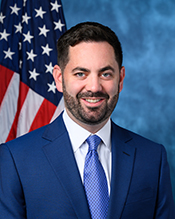
Michael Lawler
RRepublican
Co
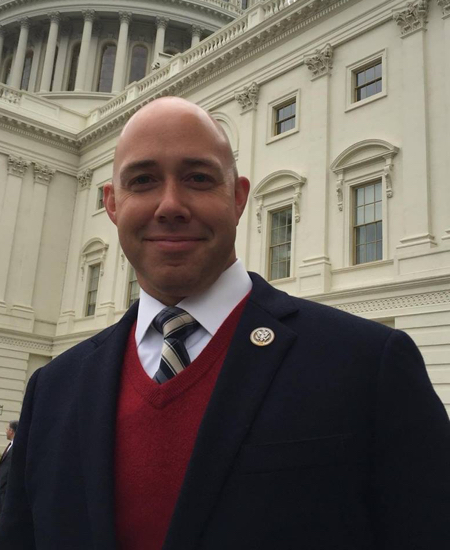
Brian J. Mast
RRepublican
Co
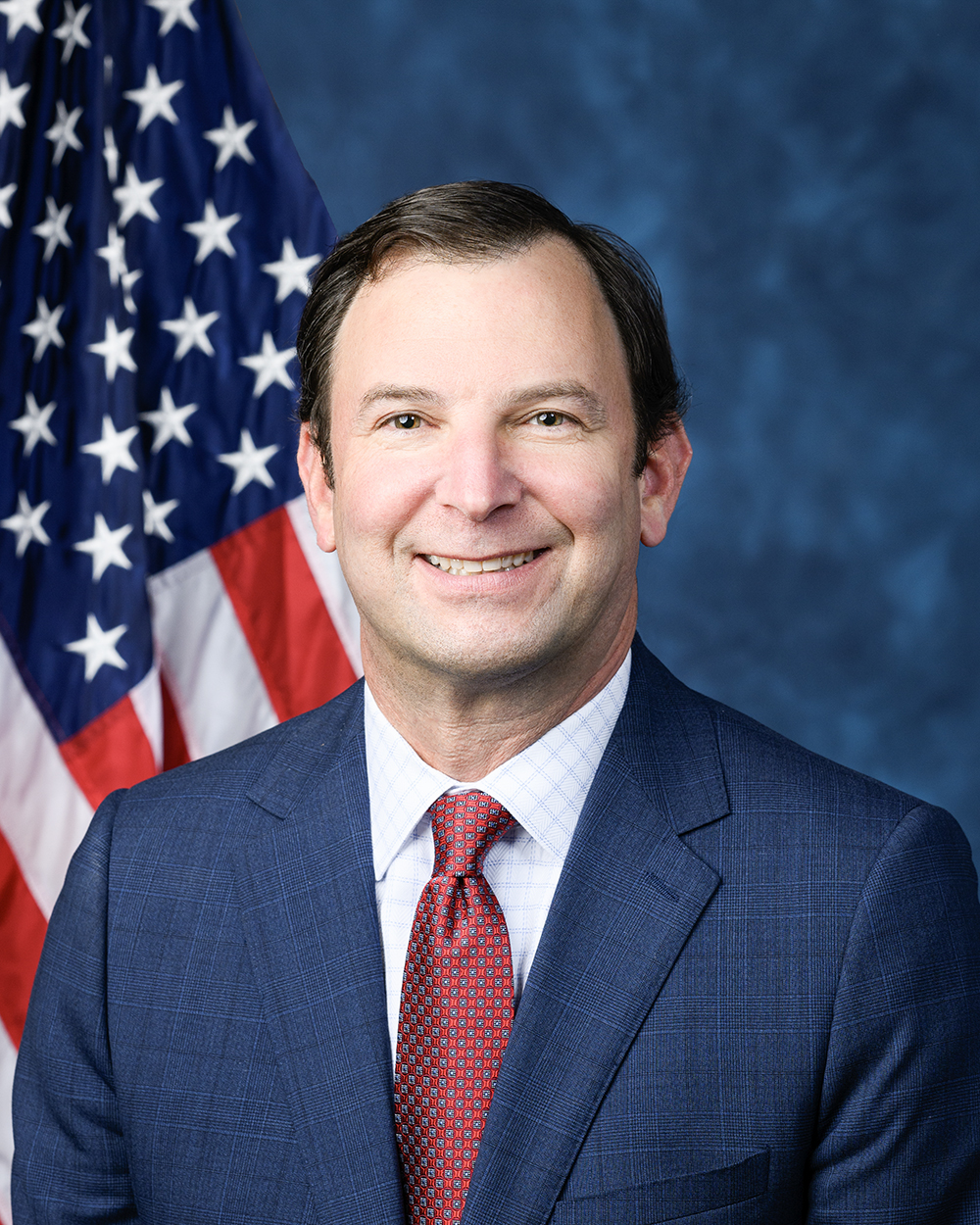
Craig A. Goldman
RRepublican
Co
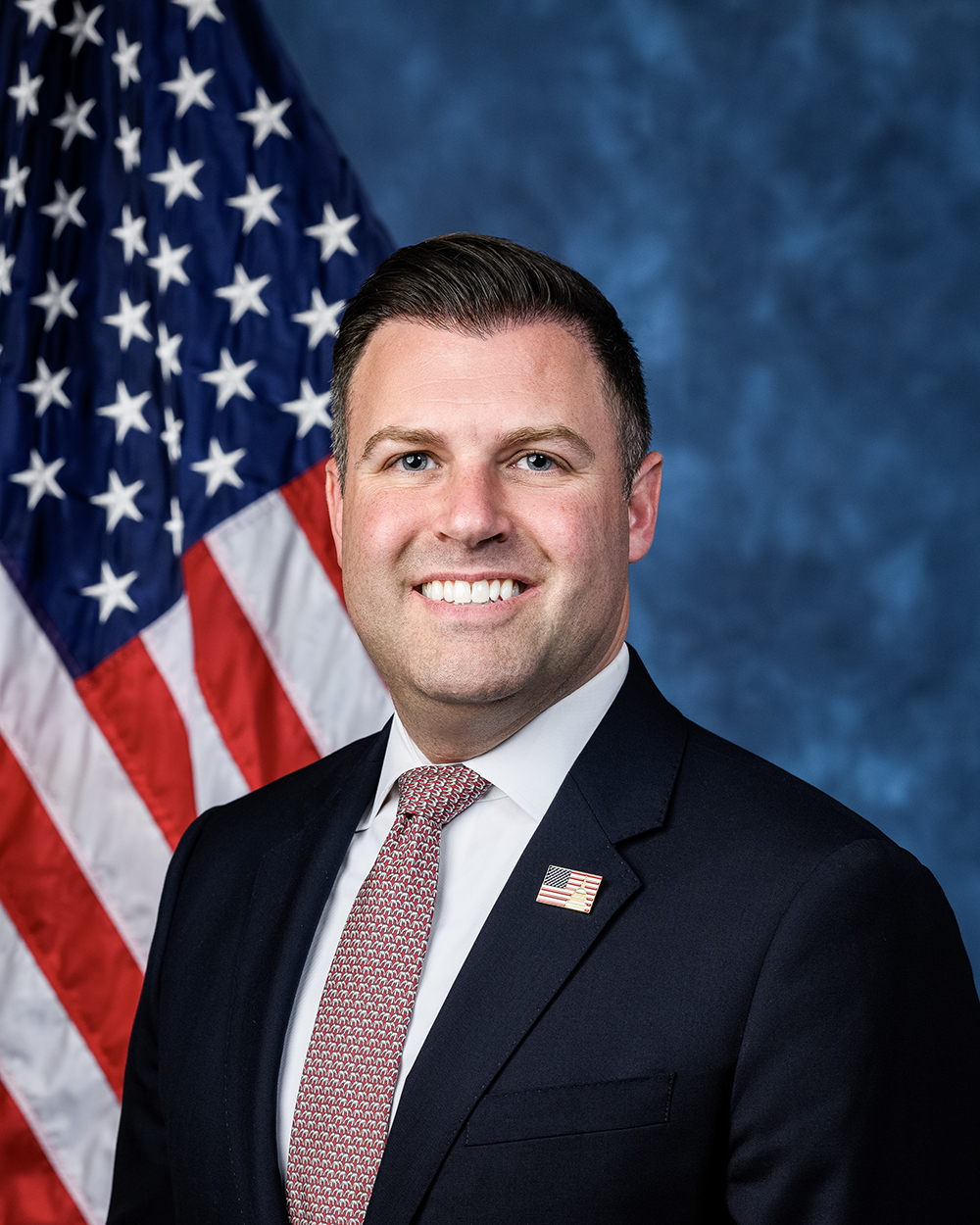
Ryan Mackenzie
RRepublican
Ask Maddy
·
AI policy assistant
Ask Maddy about HR 9086
Scope: US
Hi! I can help you understand HR 9086. What would you like to know?
Try one of these
i
Maddy answers using official bill text and legislative records. Always verify before sharing.
Sources cited inline