

Maddy summaryPennsylvania House Bill 2728 amends state corporate law to prohibit business corporations, nonprofit corporations, and limited liability companies from directly or indirectly engaging in election activity or ballot question activity. The bill revokes existing general powers granted to these entities and re-grants them with specific exclusions for political spending, defining such activities as paying or contributing money to support or oppose candidates, political parties, or ballot measures. Any language in a corporate charter that purports to authorize this political activity is declared void, and any such activity conducted by an entity is considered ultra vires and legally invalid. Entities that violate these provisions face the automatic forfeiture of their charter privileges, including limited liability and perpetual duration, until they fully disgorge funds and certify future compliance. The Attorney General is authorized to pursue civil actions for injunctive relief and enforcement against non-compliant entities.
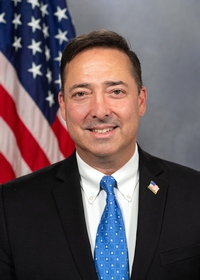
Rep. Chris Pielli
Sponsored bills
Maddy summaryThis Pennsylvania bill creates a new tax incentive to encourage the installation of green infrastructure, such as rain gardens, green roofs, and permeable pavement, on properties within the state. It defines "green infrastructure" as stormwater management practices that reduce or reuse runoff and sets rules for claiming a tax credit based on qualified costs like design, materials, and installation. To receive the credit, taxpayers must complete a certified project and submit detailed documentation to the Department of Revenue, while excluding costs covered by grants or routine maintenance. The legislation also updates the legal definition of "tax credit" to include this new program alongside existing state tax benefits.
Maddy summaryThis bill legalizes prediction markets in Pennsylvania by adding a new chapter to the state's amusement laws that defines how these speculative platforms must operate. It directly affects the companies that build and run these platforms, as well as the individuals who wish to place bets on the outcomes of future events. Key provisions include setting a minimum age of 21 for participants, banning markets related to deaths or assassinations, and prohibiting anyone involved in gambling from acting as a market maker or sharing in the platform's revenue. The legislation also establishes rules to prevent insider trading and market manipulation, while giving the state board authority to create specific regulations and impose civil penalties for violations.
Maddy summaryThis bill increases the annual funding cap for Pennsylvania's Entertainment Economic Enhancement Program from $24 million to $26 million. The change directly affects the state's entertainment industry by allowing a larger pool of tax credits to be distributed each fiscal year. These credits are designed to help businesses in the entertainment sector by reducing their tax liability. The new limit will apply to fiscal years starting on or after July 1, 2026.
Maddy summaryThis Pennsylvania House Resolution condemns the Russian Federation's actions in Ukraine, specifically the illegal abduction and forced transfer of Ukrainian children to Russia. The document states that these actions violate the Genocide Convention by attempting to erase Ukrainian identity and culture through forced adoption and re-education. It notes that while some children have been returned, hundreds of thousands remain at risk of exploitation and cultural assimilation in occupied territories. The resolution directs copies to the President, Vice President, Secretary of State, and U.S. Congress members to formally register the state's opposition to these policies.
Maddy summaryThis bill is a ceremonial resolution that designates June 12, 2026, as "Women Veterans Day" in Pennsylvania to honor the contributions of female military service members. The measure does not create new laws or change any government policies; instead, it serves to formally acknowledge the state's approximately 70,000 women veterans and highlight their growing presence in the armed forces. The text includes background information on the history of women in the military and notes specific challenges they face, such as higher rates of military sexual trauma and lower utilization of veteran benefits. Ultimately, the resolution aims to raise awareness about these issues rather than implementing concrete programs or funding changes.
Maddy summaryThis bill requires health insurance policies in Pennsylvania to cover at least two epinephrine delivery systems, such as EpiPens, for an annual maximum cost of $35 regardless of deductibles or copayments. It applies to standard medical insurance plans but excludes limited coverage types like dental-only or accident policies. Additionally, the state Insurance Department must investigate manufacturer pricing practices and submit a public report with recommendations to control costs within one year. Insurance companies are also permitted to offer lower out-of-pocket costs than the $35 cap if they choose.
Maddy summaryHB 1102 amends Pennsylvania’s military law to clarify and expand eligibility for the Medical Officer or Health Officer Incentive Program. It updates definitions to explicitly include "behavioral health officers" (requiring specific licenses, insurance, and federal compliance) and clarifies qualifications for physicians, physician assistants, and public health/environmental science officers. The bill affects Pennsylvania National Guard members in military medical roles who qualify for program stipends and incentives. Key changes ensure precise eligibility criteria for financial support, including updated requirements for residency, licensure, and program participation.
Maddy summaryHB 1851 updates Pennsylvania's requirements for death and fetal death certificates under the 1953 Vital Statistics Law. It changes the specific information that must be recorded on these official documents, affecting hospitals, medical examiners, and vital records offices. The bill focuses on standardizing or adding details required for certification purposes. This procedural change aims to modernize record-keeping for public health data collection.
Maddy summaryThis bill (HB 2024) requires Pennsylvania's Office of the Deputy Adjutant General for Veterans' Affairs to create a mandatory training program for county veterans affairs directors. The program must cover specific topics like trauma-informed care, military sexual trauma, PTSD, and traumatic brain injury, developed in collaboration with the State Association of County Directors of Veterans Affairs. It directly affects county-level veterans' service staff who assist veterans across Pennsylvania. The training program becomes effective 180 days after the bill's passage.