

An Act providing for an annual revenue-sharing program for municipalities relating to tax-exempt real property; establishing the Tax-exempt Property Municipal Assistance Fund; imposing powers and duties on the Department of Community and Economic Development; and making a repeal.
HB 985 creates an annual revenue-sharing program where municipalities receive funds based on tax-exempt real property (like schools or nonprofits) within their borders. It establishes the Tax-exempt Property Municipal Assistance Fund to distribute these shared revenues. The Department of Community and Economic Development would manage the fund and determine annual allocations. The bill also repeals outdated provisions related to this tax-exempt property revenue system.
Bill status
in committee
1 of 4 stages cleared
Introduction
Mar 2025
Committee Review
Floor Vote
Governor
Introduced Mar 20, 2025
Last action Sep 10, 2025
Maddy AI version diff · 1 comparison
What changed between versions
Printer's No. PN1075
→
Printer's No. PN2023
·
6 edits
MODERATE
This bill update significantly expands eligibility criteria and payment limits for municipalities receiving revenue-sharing funds based on tax-exempt property. The changes add new income thresholds, introduce county seat status as a qualifying factor, and establish tiered per-person payment caps ranging from $100 to $200 depending on a municipality's median income and tax-exempt property concentration. These modifications aim to better target funding toward municipalities with higher concentrations of tax-exempt property while accounting for economic disparities across different communities.
Scope change
The bill's scope expanded to include additional eligibility criteria beyond just tax-exempt property concentration, now incorporating median household income thresholds and county seat status as qualifying factors for revenue distribution.
ELIGIBILITY
Added county seat status as a qualifying condition for municipalities to receive revenue-sharing payments
Modified income eligibility criteria to include both first-year and subsequent year thresholds based on 2022 and most recent Census data
FISCAL
Established tiered per-person payment limits ranging from $100 to $200 based on median household income and tax-exempt property concentration levels
Changed recalculation procedures to handle municipalities exceeding payment limits with more detailed allocation rules
REQUIREMENT
Added specific reporting requirements for payments in lieu of tax or other funding received under Federal or State programs
DEFINITION
Updated definition of 'Common level ratio' to reference the Community and Economic Development Enhancement Act
Floor votes
How they voted
No floor votes recorded yet.
Full legislative history
Actions timeline
Total actions
6
Key actions
2
Committee
3
Amendments
1
Sep 10, 2025
Lower · Passed
Re-reported as committed
lower
Jun 25, 2025
Committee
Re-committed to Rules
lower
Jun 25, 2025
Lower · Passed
Reported as amended
lower
Mar 20, 2025
Committee
Referred to Local Government
lower
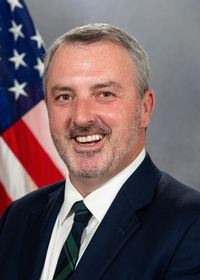
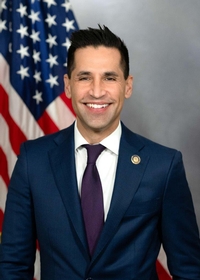
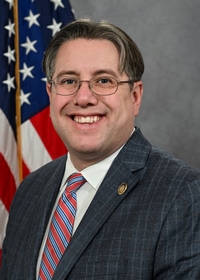
1 primary · 26 co-sponsors
Sponsors
Role
Legislator
Party
State
District
P
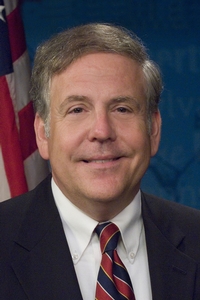
Bob Freeman
DDemocratic
Co

Ben Sanchez
DDemocratic
Co

Carol Hill-Evans
DDemocratic
Co
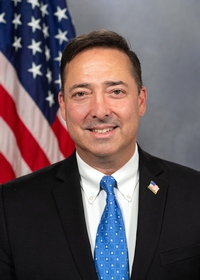
Chris Pielli
DDemocratic
Co
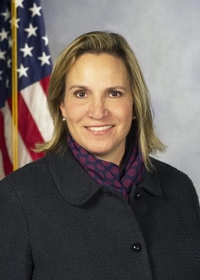
Christina Sappey
DDemocratic
Co

Dan Deasy
DDemocratic
Co
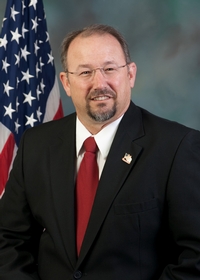
Dan Moul
RRepublican
Co
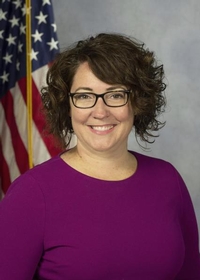
Danielle Otten
DDemocratic
Co

Dave Madsen
DDemocratic
Co

Izzy Smith-Wade-El
DDemocratic
Co

Jeanne McNeill
DDemocratic









Ask Maddy
·
AI policy assistant
Ask Maddy about HB 985
Scope: PA
Hi! I can help you understand HB 985. What would you like to know?
Try one of these
i
Maddy answers using official bill text and legislative records. Always verify before sharing.
Sources cited inline