

An Act amending Title 23 (Domestic Relations) of the Pennsylvania Consolidated Statutes, in marriage ceremony, further providing for persons qualified to solemnize marriages.
HB 733 amends Pennsylvania law to allow members of religious orders, bodies, or institutions to perform marriage ceremonies, provided they are authorized by their religious group's rules. This directly affects religious organizations and their designated members who currently may not be permitted to officiate weddings under existing statutes. The key provision adds a new category to the list of authorized marriage officiants in Title 23, specifying that religiously authorized individuals may conduct ceremonies per their institution's customs. The change does not alter marriage eligibility or create new marriage rights, but expands who can legally perform wedding ceremonies. The bill takes effect 60 days after enactment.
Bill status
in committee
3 of 5 stages cleared
Introduction
Feb 2025
Committee Review
Jun 2026
House Passage
Jun 2026
Senate Passage
Governor
Introduced Feb 25, 2025
Last action Jun 30, 2026
Maddy AI version diff · 1 comparison
What changed between versions
Printer's No. PN0757
→
Printer's No. PN3636
·
3 edits
MINOR
The bill was amended to expand the list of individuals authorized to solemnize marriages in Pennsylvania. It now includes former judges, mayors, governors, and legislators, while removing the specific requirement that ministers must belong to a 'regularly established' church. The amendment also adds a new exception clause to disqualify any listed individual if they have a felony conviction or resigned to avoid prosecution.
Scope change
The bill's scope of eligible officiants was significantly expanded to include former elected officials and judges, and the restriction on religious officiants was removed.
ELIGIBILITY
Added former judges, mayors, governors, and legislators to the list of people who can legally perform marriages.
Removed the requirement that religious officiants must belong to a 'regularly established' church or congregation.
Added a new exception clause that disqualifies any officiant if they have a felony conviction or resigned their position to avoid prosecution.
Floor votes · House Jun 30, 2026
How they voted
22–15
Passed
Total votes 37
Jun 30, 2026
D
Democratic22
100% Yea
R
Republican15
100% Nay
Vote distribution
All Yea
All Nay
Mixed
No data
Full legislative history
Actions timeline
Total actions
10
Key actions
4
Committee
6
Amendments
1
Jun 30, 2026
House · Passed
House Vote: pass (22-15)
house
Jun 30, 2026
Committee
Re-committed to Appropriations
lower
Jun 30, 2026
Lower · Passed
Re-reported as committed
lower
Jun 29, 2026
Committee
Re-committed to Appropriations
lower
Jun 29, 2026
Lower · Passed
Re-reported as committed
lower
Jun 17, 2026
Committee
Re-committed to Rules
lower
Jun 17, 2026
Lower · Passed
Reported as amended
lower
Feb 25, 2025
Committee
Referred to Judiciary
lower
1 primary · 11 co-sponsors
Sponsors
Role
Legislator
Party
State
District
P
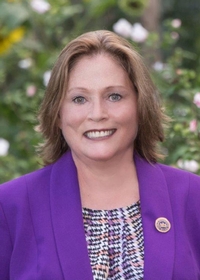
Jeanne McNeill
DDemocratic
Co
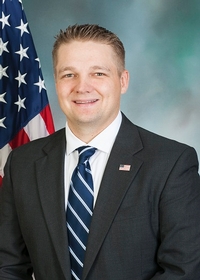
Aaron Bernstine
RRepublican
Co
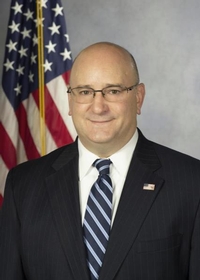
Ben Sanchez
DDemocratic
Co
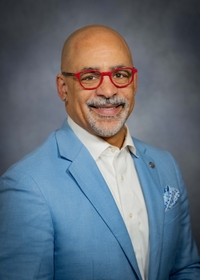
Chris Rabb
DDemocratic
Co
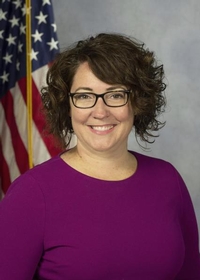
Danielle Otten
DDemocratic
Co
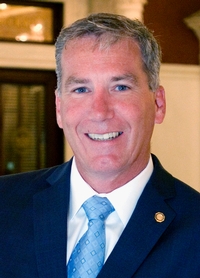
Ed Neilson
DDemocratic
Co
JG
José Giral
DDemocratic
Co
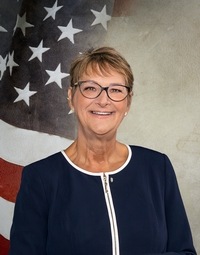
Maureen Madden
DDemocratic
Co
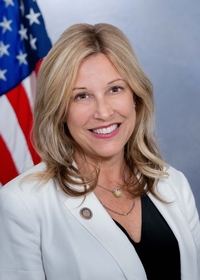
Melissa Shusterman
DDemocratic
Co
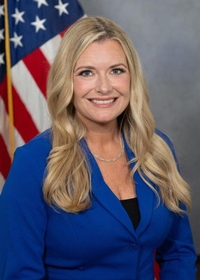
Missy Cerrato
DDemocratic
Co
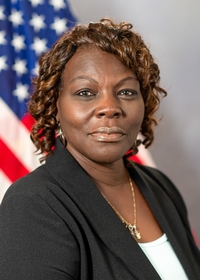
Roni Green
DDemocratic
Ask Maddy
·
AI policy assistant
Ask Maddy about HB 733
Scope: PA
Hi! I can help you understand HB 733. What would you like to know?
Try one of these
i
Maddy answers using official bill text and legislative records. Always verify before sharing.
Sources cited inline