Maddy summarySB 1794 requires Oklahoma's Department of Mental Health to create a real-time statewide registry tracking mental health facility availability, directly affecting hospitals and clinics that serve patients. The registry will display current capacity, populations served, diagnostic details (without patient identifiers), admission criteria, and emergency placement contacts to improve urgent care access. Facilities must electronically update their capacity hourly (or per department rules for low-volume settings) and comply with privacy laws like HIPAA. The bill takes effect November 1, 2026, aiming to streamline emergency placements without sharing identifiable patient data.

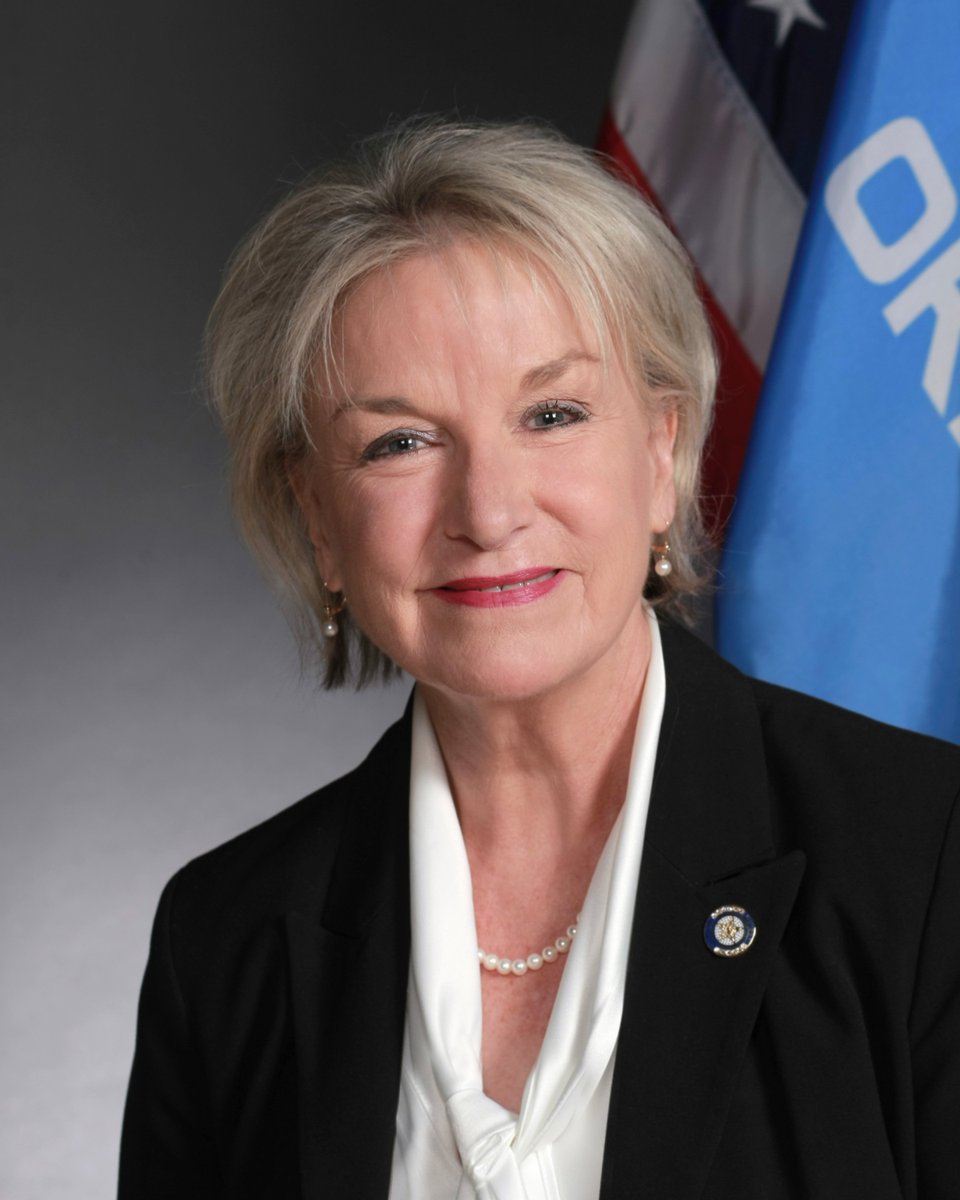
Sen. Brenda Stanley
Sponsored bills
Maddy summarySB 1832 reauthorizes Oklahoma taxpayers' ability to donate a portion of their state income tax refund to two veterans programs. It extends the option for donations to fund the Indigent Veteran Burial Program (reimbursing up to $500 per veteran, capped at $20,000 annually) and the Veterans Affairs Equipment and Capital Improvement Program (funding equipment purchases and facility projects). The bill updates the covered tax years (2017-2020 and 2026 onward for burial; 1994-2008 and 2026 onward for equipment) and establishes revolving funds administered by the Oklahoma Department of Veterans Affairs. These funds, held in the state treasury, are dedicated to specific veteran services with clear spending limits, and donations remain optional for taxpayers.
Maddy summarySB 2011 expands Oklahoma's Class B5 criminal offense classification by adding 37 specific crimes, including domestic violence against intimate partners, assaults on police officers, stalking, and certain animal cruelty acts. This change affects individuals convicted of these offenses by subjecting them to the more severe penalties associated with Class B5, a higher-level criminal classification. The bill also updates statutory references to ensure consistency in the law. Introduced in the 2026 Oklahoma Legislature, it was referred to the Judiciary Committee.
Maddy summarySB 1633 removes provisions allowing undocumented students to qualify for Oklahoma resident tuition by submitting immigration status applications or affidavits. It eliminates language ensuring these students would not be disqualified from state scholarships or financial aid based on immigration status. The bill aligns Oklahoma’s higher education residency rules with Section 3242.2, which generally prohibits non-residents from receiving resident tuition benefits or state financial aid. This change directly affects students who previously relied on the removed documentation pathways to access in-state tuition rates.
Maddy summarySB 540 would enact the Dentist and Dental Hygienist Compact, allowing Oklahoma-licensed dentists and dental hygienists to practice in other participating states without obtaining separate licenses. The bill creates a "Compact Privilege" that streamlines interstate practice by eliminating duplicative licensing requirements, directly benefiting licensed professionals seeking to work across state lines or relocate (including military members and families). Key provisions include requiring states to share disciplinary information, maintain scope-of-practice standards, and ensure practitioners comply with the laws of the state where they practice. This compact aims to improve public access to dental services and address workforce shortages in participating states.
Maddy summaryHB 4294 requires health insurers in Oklahoma to provide equal coverage for epilepsy as for other conditions, prohibiting termination or non-renewal of policies solely due to an epilepsy diagnosis. It mandates coverage for seizure prevention devices, surgeries, or medical procedures prescribed by an epilepsy specialist when medically necessary to reduce SUDEP (sudden unexpected death in epilepsy) risk. The law applies to all individual and group health insurance plans covering medical/surgical benefits and takes effect November 1, 2026. This directly affects epilepsy patients and insurers offering such coverage in Oklahoma.
Maddy summarySB 2045 requires public elementary schools serving full-day pre-kindergarten through fifth grade to provide at least 30 minutes of daily recess as a condition of state accreditation. This applies to all students in those grades, with recess allowed to be split into segments and required to occur outdoors when weather and conditions permit. The bill removes previous recommendations about recess and instead mandates it as a distinct requirement separate from the existing 60-minute weekly physical education requirement. Schools must comply by July 1, 2026, or risk losing accreditation.
Maddy summarySB 1651 amends Oklahoma's medical licensure laws for physicians and allied health professionals, affecting all licensed practitioners in the state. Key changes include establishing a new "special training license" for certain providers, creating "physician emeritus" status for retired doctors, prohibiting specific fees, and requiring national criminal background checks for all applicants. The bill also updates telemedicine authorization for respiratory care professionals, modifies application and renewal procedures, and removes outdated fee structures and language. These changes streamline licensing processes while adding new requirements for background screening and special practice categories.
Maddy summaryHB 3649 creates a trust for all real property owned by Oklahoma's Department of Mental Health and Substance Abuse Services. It allows the sale of 12 specific land parcels (listed by location) but requires all sale proceeds to fund infrastructure improvements or capital projects directly benefiting the Department's clients - **not** prevention or treatment services. The trust mandates that most property remain held permanently, with only the named parcels eligible for sale under strict conditions. This bill directly affects the Department and the mental health clients it serves by governing how its land assets are managed and utilized.
Maddy summaryHB 3755 amends Oklahoma's juvenile detention system to establish certification standards for detention facilities and set reimbursement rates for transportation services. It requires counties to operate or contract for detention facilities meeting Office of Juvenile Affairs standards, with private contractors needing insurance and financial qualifications. The bill specifies exact reimbursement amounts: $17 per hour for personnel, mileage per state rates, and $10 per meal for both staff and juveniles. These changes directly affect counties, private contractors, and the Office of Juvenile Affairs in managing juvenile detention operations.