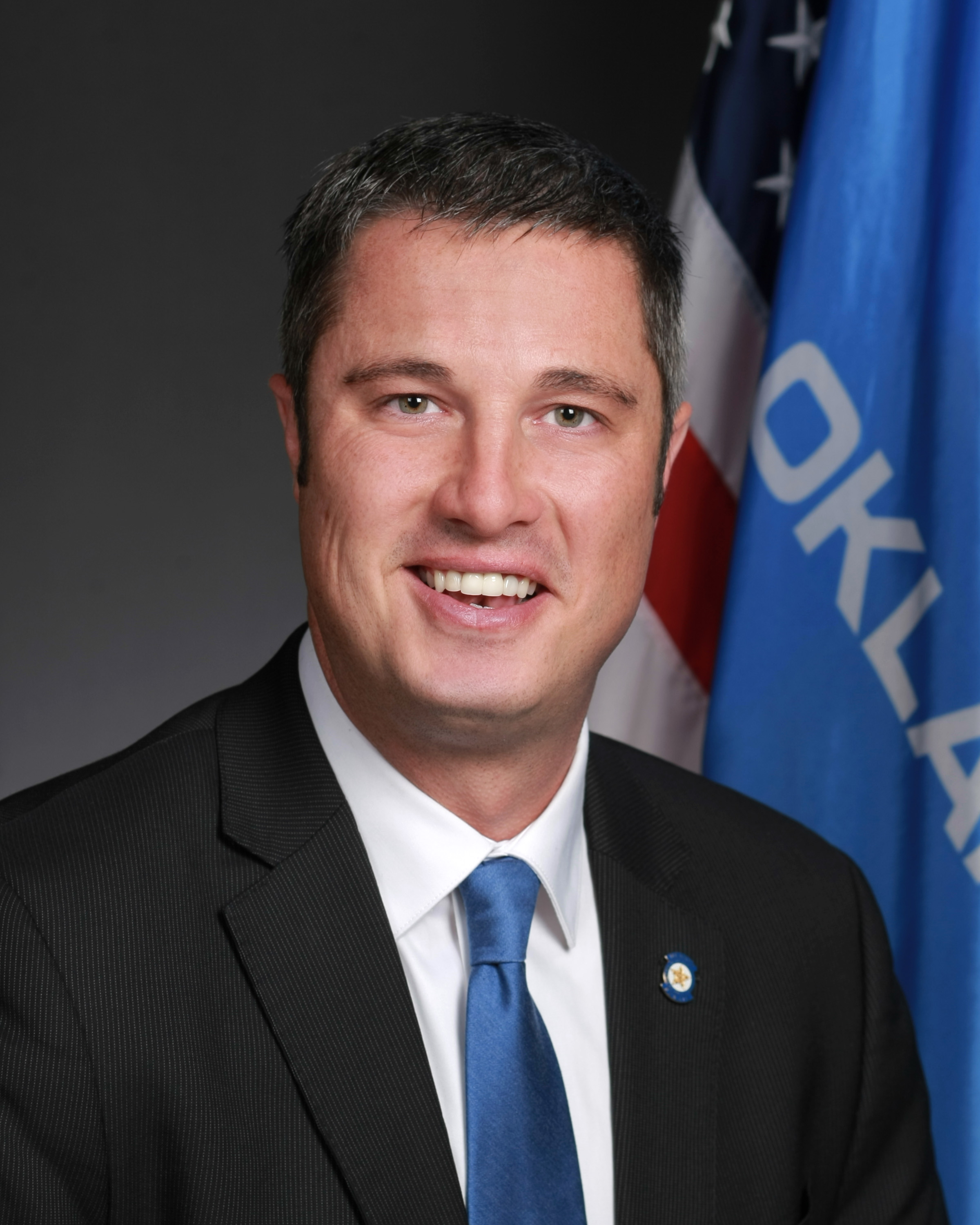
Photo of Chris Kidd
R Oklahoma Senate · District 31

Sen. Chris Kidd

Contact Email
Compare
Total votes
3,995
all sessions
Attendance
93%
277 missed
Near the chamber average
With party
98%
of cast votes
Higher than 79% of chamber peers
Bipartisan score
2%
crosses aisle rarely
Lower than 82% of chamber peers
Sponsored
227
bills & resolutions
Near the chamber average
Committees
0
assignments
227 bills and resolutions

Sponsored bills

Total
227
Primary
227
Co-sponsor
0
This page
227
matching current filters
Primary HB 3693
Passed · Oklahoma House · Lead sponsor
Amusements and sports; Horse Racing Commission; appointments; prohibiting expending certain funds when other funds are available; effective date.

Maddy summaryThis bill establishes the Amusements and Sports Act of 2024, which primarily serves to formally name and cite a new legislative framework for Oklahoma's amusements and sports sector. It does not introduce new operational rules or funding restrictions but instead provides the official title for future laws related to these activities. The legislation becomes effective on November 1, 2024, and applies broadly to the state's regulatory environment for sports and entertainment without targeting specific individuals or organizations.

Passed May 30, 2024 0 co-sponsors
Primary HB 1860
died · Oklahoma House · Lead sponsor
Agriculture; Department of Agriculture, Food, and Forestry; Local Food for Schools program; creating the Oklahoma Local Food for Schools Revolving Fund; effective date.

Maddy summaryThis bill establishes the Oklahoma Local Food for Schools program, which is designed to help school districts buy food from local producers and meat processors. Under the new law, the Oklahoma Department of Agriculture, Food, and Forestry will reimburse school districts for the costs of these local food purchases to encourage partnerships between schools and local businesses. The bill also creates a permanent revolving fund in the state treasury to manage and provide money for these reimbursements, with the program set to begin on November 1, 2024.

died May 30, 2024 0 co-sponsors
Primary HB 3738
died · Oklahoma House · Lead sponsor
Sales tax; agriculture exemption; modifying definition; defining terms; effective date.

Maddy summaryHB 3738 modifies Oklahoma's sales tax exemptions for agriculture to clarify which items and transactions remain tax-free. The bill expands the definition of exempted goods to include specific agricultural supplies, farm machinery, and equipment used directly in farming, while explicitly excluding items like pet animals and non-commercial garden seeds. To prevent abuse, the legislation requires written certification from buyers for certain purchases, such as feed for livestock and materials for agricultural permit holders, and imposes penalties for false claims. Although the bill was introduced to update tax rules for farmers and ranchers, it ultimately did not become law after dying in conference.

died May 30, 2024 0 co-sponsors
Primary HB 3766
Passed · Oklahoma House · Lead sponsor
Poor persons; care of indigent persons; repealer; effective date.

Maddy summaryHB 3766 repeals a large section of Oklahoma's existing laws regarding the care of indigent persons, effectively removing those specific legal provisions from the state code. This change directly affects the legal framework previously used to manage assistance for poor individuals, though the bill does not establish new rules or programs in its text. The repeal is set to take effect on November 1, 2024, leaving the status of care for indigent persons to be determined by subsequent legislation or other applicable laws.

Passed May 29, 2024 0 co-sponsors
Primary SB 1055
Passed · Oklahoma Senate · Lead sponsor
Oklahoma Open Meeting Act; definition of public health emergency; requirements for a public body to conduct meetings utilizing electronic means; quorum requirements; public availability. Effective date.

Maddy summaryThis bill updates the Oklahoma Open Meeting Act to clarify definitions and procedures for public bodies, including how they conduct meetings during public health emergencies. It specifically defines a public health emergency as an imminent threat causing a high probability of deaths or serious disabilities, and it sets rules for holding meetings via electronic means such as videoconferencing. The legislation also outlines requirements for public notice, participation, and the availability of meeting records, while excluding certain groups like administrative staff and specific judicial teams from the definition of a public body. Additionally, the bill establishes conditions under which public officials may be immune from liability for violations of the act.

Passed May 23, 2024 0 co-sponsors
Showing 1 to 10 of 227 bills
1 2 3 23 Next