Maddy summaryThis concurrent resolution encourages Oklahoma residents, businesses, and institutions to reduce light pollution by turning off exterior lights and shielding interior lights during peak bird migration months. The bill specifically targets April, May, September, and October to help prevent birds from becoming disoriented and colliding with buildings or other structures. By supporting the Lights Out Oklahoma campaign, the legislature aims to protect migratory species that pass through the state while also promoting energy savings. This measure is non-binding and serves to express official support for voluntary actions rather than imposing new legal requirements.

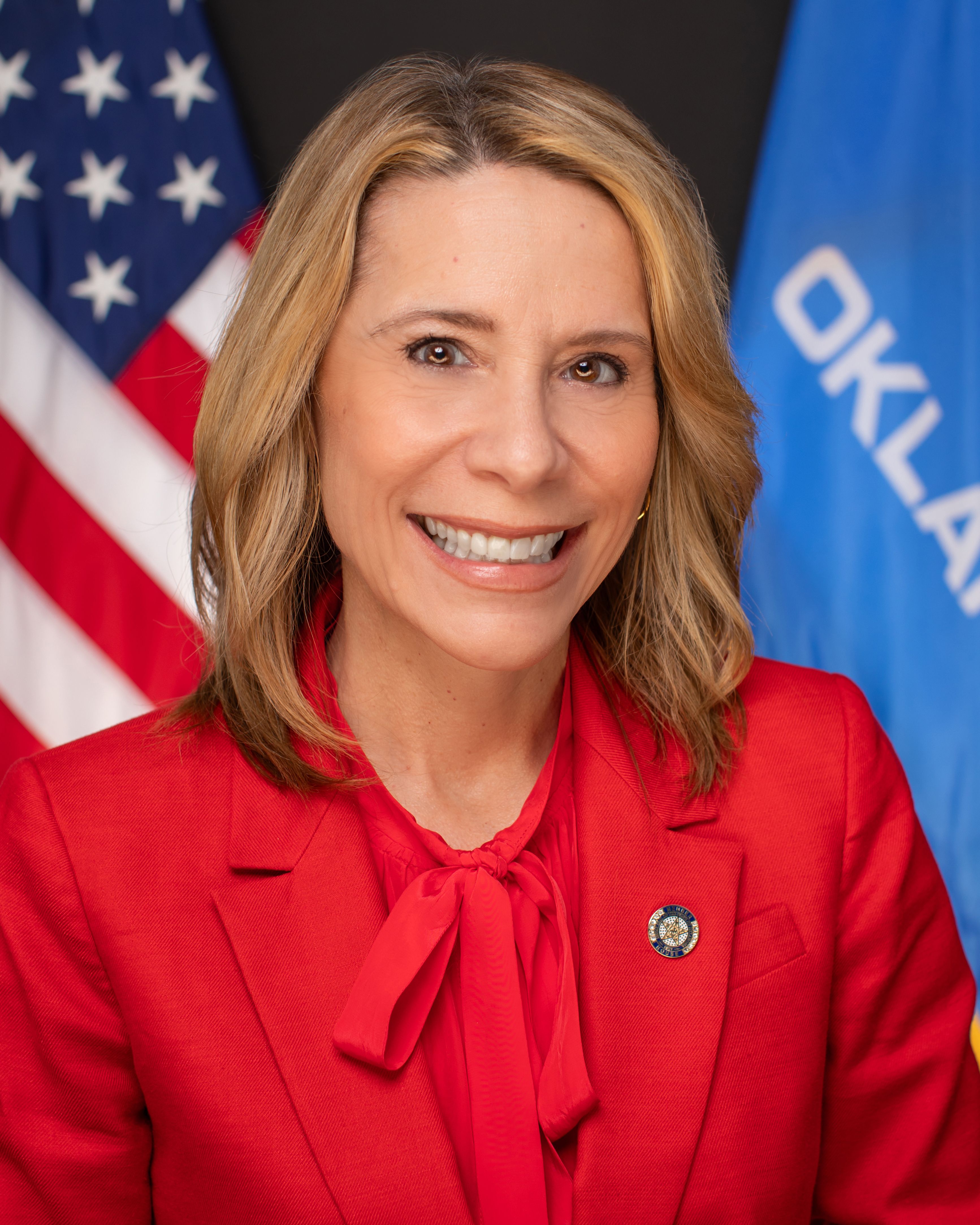
Rep. Ellyn Hefner
Sponsored bills
Maddy summaryThis concurrent resolution formally recognizes the harm that artificial light pollution causes to migrating birds and encourages Oklahomans to turn off exterior lights during specific months. It directly addresses businesses, state agencies, organizations, and residents by asking them to switch off outdoor lighting in April, May, September, and October to help birds navigate safely. The measure highlights that many birds migrate at night and can become disoriented by bright lights, leading to exhaustion and deadly collisions with structures. By adopting this resolution, the legislature expresses support for the Lights Out Oklahoma campaign without imposing mandatory regulations or penalties.
Maddy summaryHB 3905 would require Oklahoma courts to mandate GPS monitoring devices for individuals convicted of domestic violence offenses as a standard condition of release or probation, unless the court determines it is unnecessary. This directly affects domestic violence offenders under court supervision and the judicial system managing their cases. The key provision establishes GPS tracking as a default measure, with judges retaining discretion to waive it for specific reasons. The policy aims to enhance victim safety by providing real-time location data of offenders.
Maddy summaryHB 3907 bans the use of temporary staffing agencies and contracting organizations for facilities serving vulnerable individuals in Oklahoma. The bill prohibits juvenile detention centers, post-adjudication treatment facilities, Intermediate Care Facilities for individuals with intellectual disabilities (ICF-IID), and adult companion homes certified by the Oklahoma Department of Human Services from hiring temporary staff or using external staffing agencies. Instead, these facilities must directly hire full-time staff for all positions. The law applies to facilities operated by the Oklahoma Juvenile Authority, Department of Human Services, or Oklahoma Health Care Authority and takes effect November 1, 2026.
Maddy summaryHB 3901 establishes a pilot program for psychological autopsies in Oklahoma, which investigate ambiguous deaths (like suicides) to reconstruct a deceased person's mental state and influences. The Commissioner of Health must appoint a full-time psychological autopsy examiner who will submit annual progress reports and coordinate with mental health and medical examiner offices. The pilot runs until November 1, 2031, with a recommendation for permanency or termination. Its goal is to use data from these reviews to inform suicide prevention efforts, without changing existing laws or creating new obligations for individuals.
Maddy summaryHB 3904 requires Oklahoma Medicaid to reimburse specific maternal health services for pregnant and postpartum women. It changes payment rules to separately cover prenatal, delivery, and postpartum care (instead of bundled payments), implements immediate presumptive eligibility for prenatal care, and adds reimbursement for depression screening, self-measured blood pressure monitoring, remote ultrasounds, and doula/community health worker services. The bill directs the Oklahoma Health Care Authority to adopt implementing rules and seek federal approvals, effective November 1, 2026. It directly affects Medicaid-covered pregnant and postpartum individuals in Oklahoma by expanding access to targeted health services.
Maddy summaryHB 3906, the Oklahoma Supported Decision-Making Act, creates a legal framework for adults with disabilities to make their own decisions with the help of designated supporters. The bill requires written agreements outlining specific types of decisions a supporter may assist with (like health or finances), while ensuring the adult remains the ultimate decision-maker. Supporters can help gather information, communicate decisions, and access services, but cannot override the adult's choices. The act also protects supporters from liability when acting within the agreement's scope and emphasizes using the least restrictive support possible.
Maddy summarySCR 15 is a symbolic resolution recognizing February 24, 2026, as World Spay Day in Oklahoma. It highlights the impact of pet overpopulation, citing that over 11,000 dogs and cats were euthanized in Oklahoma shelters in 2024 due to space constraints. The resolution emphasizes spay/neuter programs as key to reducing shelter intakes, preventing unwanted litters, improving pet health, and alleviating strain on shelters. It does not create new laws or allocate funds but formally commends organizations providing these services and raises public awareness.
Maddy summaryHB 3903 requires Oklahoma law enforcement agencies to create detailed written domestic violence incident reports (not just dispatch logs), including crime type, day, and time, and submit monthly summaries to the Oklahoma State Bureau of Investigation. It mandates that court clerks accept, file-stamp, and docket protective order petitions without charging victims any fees, while prohibiting courts from requiring victims to pursue other legal actions (like divorce) before seeking protection. The bill also adds provisions allowing courts to grant exclusive custody of animals owned by either party during domestic violence cases and requires annual judiciary training on these procedures. These changes directly affect victims seeking protection, law enforcement agencies, and court clerks handling domestic violence cases.
Maddy summaryThis bill removes the requirement that Oklahoma counties must have a population of 200,000 or more (per the latest federal census) to regulate loose dogs. It allows all counties to enforce rules about dogs running at large, impound them, and collect fees to cover costs. The change takes effect November 1, 2026, applying uniformly across all counties regardless of size.