

Maddy summarySB 1613 updates Oklahoma's liquefied petroleum gas (LPG) regulations to enhance safety oversight. It requires local officials (sheriffs, fire chiefs, or mayors) to notify the State Liquefied Petroleum Gas Administrator of LPG accidents or fires within one business day, enabling prompt investigations. The bill revises qualification standards for safety inspectors (requiring 2+ years of LPG system experience), modifies registration permits and fee structures (mandating fees fund specific safety programs), and updates container identification requirements. These changes directly affect LPG businesses, safety inspectors, and local emergency responders by clarifying reporting duties and operational standards. The bill also removes outdated provisions and updates language to be gender-neutral.
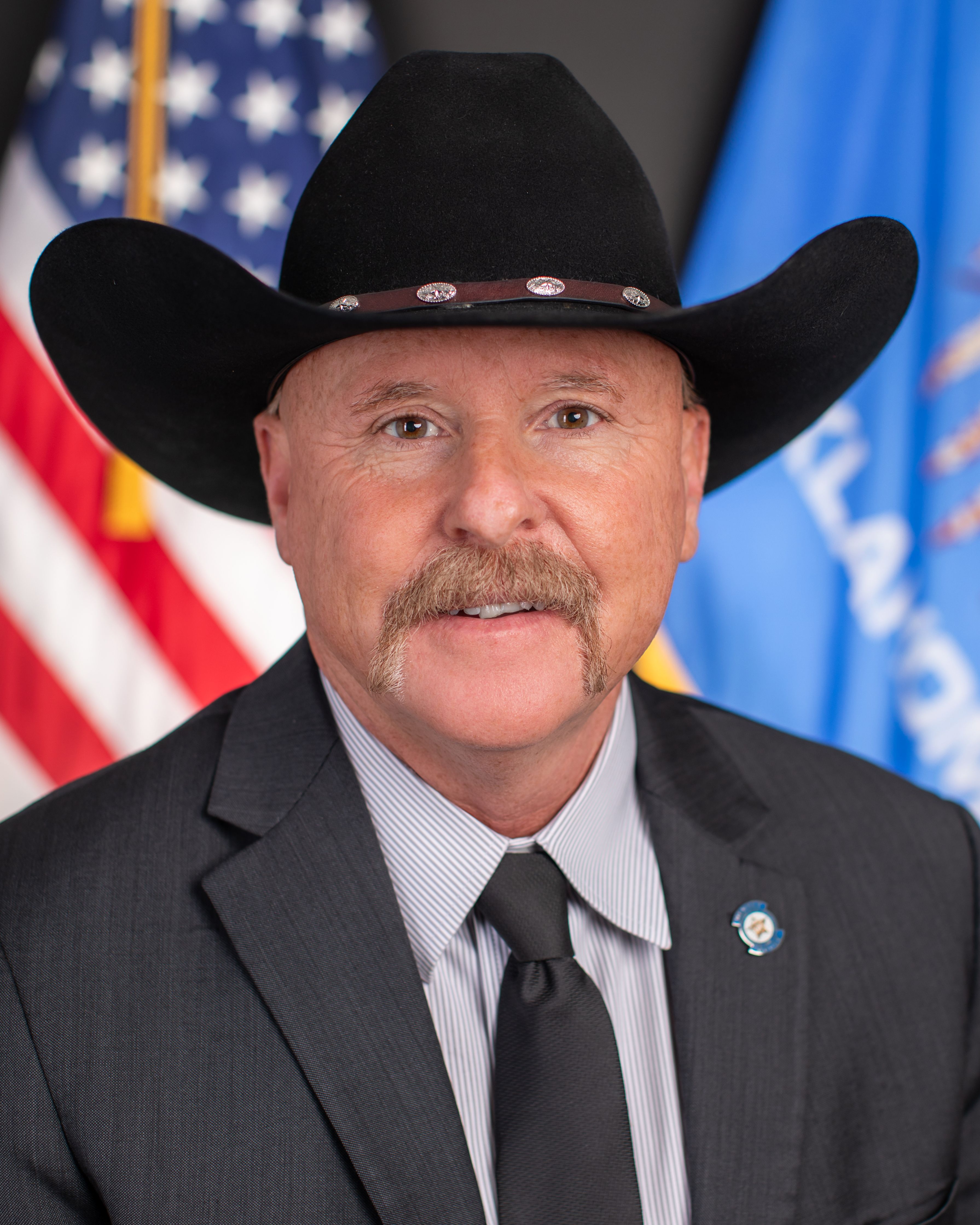
Rep. Rusty Cornwell
Sponsored bills
Maddy summaryHB 3143 extends Oklahoma's moratorium on new medical marijuana business licenses (dispensaries, processors, growers) from August 1, 2026, to August 1, 2028. It requires existing license holders to get written approval from the Oklahoma Medical Marijuana Authority before transferring ownership, including submitting documentation to the Oklahoma State Bureau of Narcotics. Transfers must follow a 15-business-day timeline for license and registration changes, and applicants cannot submit transfer requests if disciplinary actions are pending. The bill also mandates that businesses provide a full inventory of all medical marijuana products during ownership changes and prohibits transfers without approval, with a 30-day window for pending applications to comply with new rules.
Maddy summaryHB 3144 limits the number of new medical marijuana commercial grower licenses in Oklahoma to 2,550 total, effective November 1, 2026. It directly affects new applicants seeking licenses to grow medical marijuana commercially, while existing license holders remain unaffected. The bill repeals a previous provision that allowed unlimited licensing and requires the Oklahoma Medical Marijuana Authority to cap approvals at 2,550 licenses. It maintains existing requirements like residency rules for applicants and monthly reporting on marijuana yields and sales.
Maddy summaryHB 3145 exempts hunters from paying tag fees for female deer, elk, and similar Cervidae animals, feral swine, and non-native exotic wildlife when hunted at commercial hunting areas in Oklahoma. This change directly affects commercial hunting operations and hunters targeting these specific species, removing a $10 fee for required tags. The bill amends existing law to maintain tag requirements (staying attached until consumption) while eliminating fees for the exempted categories. Violations of tag rules still carry fines ($100-$500) or jail time (up to 60 days), unchanged by this bill. It takes effect November 1, 2026.
Maddy summaryHB 3142 requires fire marshals, sheriffs, and fire department chiefs to notify the Oklahoma Liquefied Petroleum Gas Administrator within one business day of any LP gas accident or fire involving LP gas systems. It creates a new State Liquefied Petroleum Gas Administrator position, appointed by the Governor (with Senate confirmation), who must meet strict qualifications including US citizenship, Oklahoma residency, no felony convictions, and industry experience. The bill also re-creates the Oklahoma Liquefied Petroleum Gas Board with seven members representing specific geographic regions and industry sectors, replacing previous appointment procedures. These changes directly affect LP gas industry operators, emergency responders, and regulatory staff by establishing clearer notification protocols and personnel standards for safety oversight.
Maddy summarySB 2171 authorizes a new controlled hunt for "velvet bucks" (deer with growing antlers covered in velvet-like skin) during a specific nine-day period in August. It requires archery-only hunting, limits participants to one velvet buck per license annually, and counts harvested velvet bucks toward a hunter’s overall annual deer bag limit. The Oklahoma Wildlife Conservation Commission must issue at least 100 tags annually (with 90% reserved for residents), enforce rules on antler size and hunting methods, and may cancel the hunt without refunds due to population or health concerns. This directly affects residents and nonresidents holding valid deer licenses who wish to participate in this seasonal hunt, effective January 1, 2027.
Maddy summaryHB 3146 creates the "Oklahoma Game and Fish Act of 2026" as a noncodified act (meaning it will not be included in the state's official legal code). The bill solely establishes the act's name and sets its effective date as November 1, 2026. It does not include substantive policy changes or regulations affecting hunting, fishing, or conservation. This is a procedural bill naming the legislation and setting its implementation date.
Maddy summaryHB 1157 established a Liquefied Petroleum Gas (LPG) Administrator position within Oklahoma's regulatory framework and re-created the Oklahoma LPG Board. The bill required fire marshals, sheriffs, and fire chiefs to notify the Administrator of LPG accidents or fires within one business day, enabling prompt investigations. It detailed qualifications for the Administrator (including LPG industry experience) and Board members (requiring LPG business involvement and residency), while modifying statutory references related to LPG registration, inspections, and penalties. The bill was vetoed by Governor Kevin Stitt on May 6, 2025, and did not become law. It primarily affected LPG industry operators, local fire officials, and state regulatory bodies.
Maddy summaryHB 1157 revises the regulation of liquefied petroleum gas (LPG) in Oklahoma. It grants the Oklahoma Liquefied Petroleum Gas Board authority to investigate LPG accidents and mandates that local officials notify the LPG Administrator of such incidents within one business day. The bill also modifies the appointment process and qualifications for the State Liquefied Petroleum Gas Administrator and re-creates the Liquefied Petroleum Gas Board, detailing its membership. Additionally, it updates various provisions affecting the LPG industry, including registration permits, fees, container specifications, and inspections.
Maddy summaryHB 1155 requires Oklahoma's Department of Public Safety to create a real-time alert system that notifies drivers via phone text or app alerts and highway message boards when active police pursuits are occurring nearby. The system must only activate when a pursuit poses a public safety risk, providing clear details like the suspect vehicle's make, model, color, location, and direction while minimizing driver distraction. It mandates collaboration with mobile carriers and limits alerts to a defined radius around the pursuit, with automatic deactivation once the threat ends. This law directly affects drivers receiving alerts and law enforcement agencies confirming pursuits, aiming to enhance public safety during high-speed chases.