Maddy summaryHB 3260 requires Oklahoma funeral service licensees to complete approved continuing education courses to renew or reactivate their licenses. Beginning November 1, 2026, each licensee must submit proof of 12 months of approved continuing education hours, set by the Oklahoma Funeral Board, which will maintain a list of approved courses from the Board, Oklahoma Funeral Directors Association, or Academy of Professional Funeral Service Practice. This applies to active licensees but excludes those on inactive status, nonresident licensees not practicing in Oklahoma, or board-exempt categories. The bill updates existing licensing rules to ensure ongoing professional training for funeral service professionals in the state.

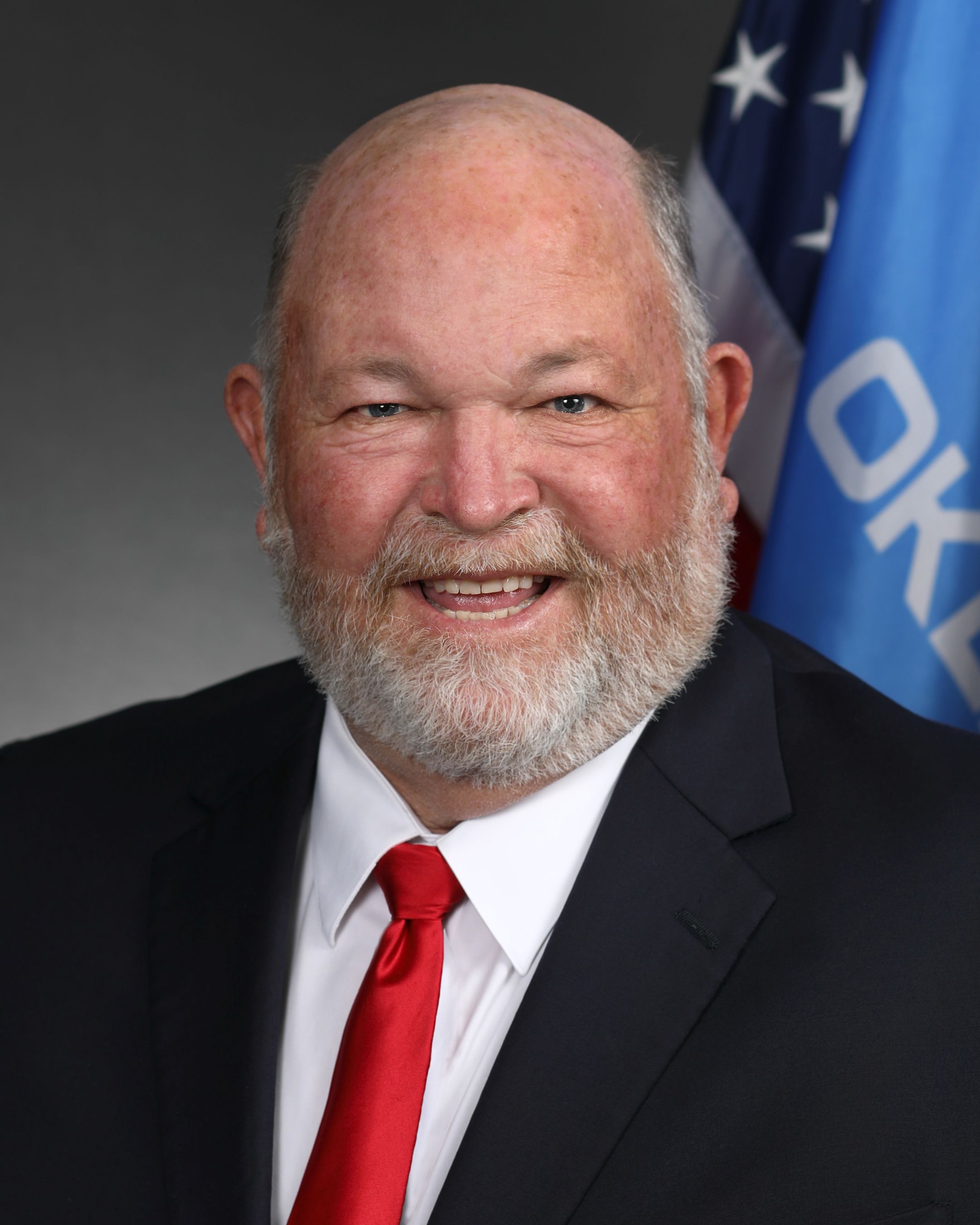
Rep. Bob Culver
Sponsored bills
Maddy summaryThis resolution declares February 18, 2026, as "Scout Day" at the Oklahoma Capitol to recognize Scouting America's history, programs, and community service in Oklahoma. It specifically highlights Scouting America's founding principles, its youth development programs (like Cub Scouts and Scouts BSA), and the 288 million annual volunteer hours contributed by Oklahoma Scouts and volunteers. The resolution has no policy or funding provisions - it is purely ceremonial, commemorating Scouting America's work without creating new obligations or changes to law. It was adopted by the Oklahoma House of Representatives on February 18, 2026.
Maddy summaryHB 3670 creates the Oklahoma Distillers Trail Commission to promote the state's distilling industry and boost tourism. The Commission, composed of nine members appointed by state leaders (with industry expertise required), will annually approve a list of Oklahoma distilleries for the official "Oklahoma Distillers Trail" used in marketing and tourism efforts. It has authority to develop marketing strategies, form partnerships, and accept private donations until state funding is secured. The bill takes effect November 1, 2026, and directly affects Oklahoma distilleries by providing a coordinated marketing platform.
Maddy summaryHB 3669 reduces the annual fee for a distiller license in Oklahoma from $3,125 to $1,250. It removes production limits for distillers, allows them to sell and serve spirits directly at their facility, and permits direct shipping of spirits to consumers without using a wholesaler. The bill also eliminates the requirement for distillers to pay brand labeling registration fees. These changes primarily affect distilleries operating in Oklahoma, lowering costs and increasing operational flexibility under the state's alcoholic beverage laws.
Maddy summarySB 465 would remove an annual limit of eight charitable alcohol event licenses for colleges and universities in Oklahoma, allowing these institutions to host more fundraising events involving alcohol without restriction. Other charitable organizations would continue to face the same limits: eight event licenses and four auction licenses per year. The bill also clarifies that economic development groups can host alcohol events using a licensed caterer without a special license, provided the event isn't primarily for fundraising.
Maddy summarySB 465 exempts Oklahoma colleges and universities from the current annual limit of eight charitable alcohol event licenses. It also allows economic development chambers and similar organizations to host alcohol events without a special license, provided the events aren't primarily for fundraising and use a licensed caterer for alcohol service. This change does not affect other charitable groups, which remain limited to eight events per year. The bill streamlines licensing for these specific organizations to host fundraising events involving wine, beer, or spirits.
Maddy summaryHB 1365 amends Oklahoma's licensing requirements for funeral directors and embalmers, creating two distinct pathways for licensure. It requires applicants to complete accredited mortuary science programs (with specific course content), serve a 12-month apprenticeship under supervision, and pass exams with a minimum 75% score. The bill establishes separate licenses for "funeral director" (limited to directing services) and "embalmer" (limited to embalming), preventing dual practice without additional qualifications. This directly affects anyone seeking to work in Oklahoma's funeral services industry as a licensed professional. The bill became law on May 6, 2025, implementing these specific educational, experiential, and examination standards.
Maddy summaryHB 1089 requires horse racing tracks (organization licensees) to negotiate with official breed representatives on key issues like race conditions, purse distributions, simulcast operations, and participant welfare. It establishes a joint committee with equal horsemen representation from each breed to discuss track management, and allows individual horsemen to opt out of representation by notifying the track. If over 50% of horsemen for a breed opt out, the Oklahoma Horse Racing Commission may hold an election for a new representative organization. The bill also mandates annual financial reporting for representative organizations and requires them to administer a benevolence program for participants, with commission approval of program guidelines.
Maddy summaryHB 1089 clarifies which groups represent horsemen at Oklahoma race meets. It designates the 2003 Thoroughbred representative as the official voice for all Thoroughbreds and the 2003 mixed-breed representative for non-Thoroughbreds. Track operators must negotiate with these official reps on race conditions, purse distribution, welfare, and other operational matters. Horsemen can opt out of representation, but if over 50% opt out for a breed, the racing commission may hold an election for a new representative. The bill takes effect November 1, 2025.
Maddy summaryHouse Bill 1365 updates the qualifications and licensing requirements for individuals seeking to become funeral directors or embalmers in Oklahoma. It outlines specific educational and apprenticeship criteria for a combined funeral director and embalmer license, including graduating from an accredited mortuary science program. The bill also introduces alternative pathways for those who wish to pursue a license solely as a funeral director or solely as an embalmer. These specialized licenses have distinct educational courses of study and apprenticeship requirements, and they are restricted from allowing the holder to serve as the "funeral director in charge."