Maddy summaryHB 2268 requires the Oklahoma Medicaid Program or its contracted entities to reimburse providers for "cognitive assessment and care planning services" (defined using standard medical billing code 99483). This directly affects low-income Medicaid beneficiaries who receive these specific cognitive care services. The bill mandates reimbursement for these services under existing Medicaid rules, with no new funding or eligibility changes. It takes effect November 1, 2025.

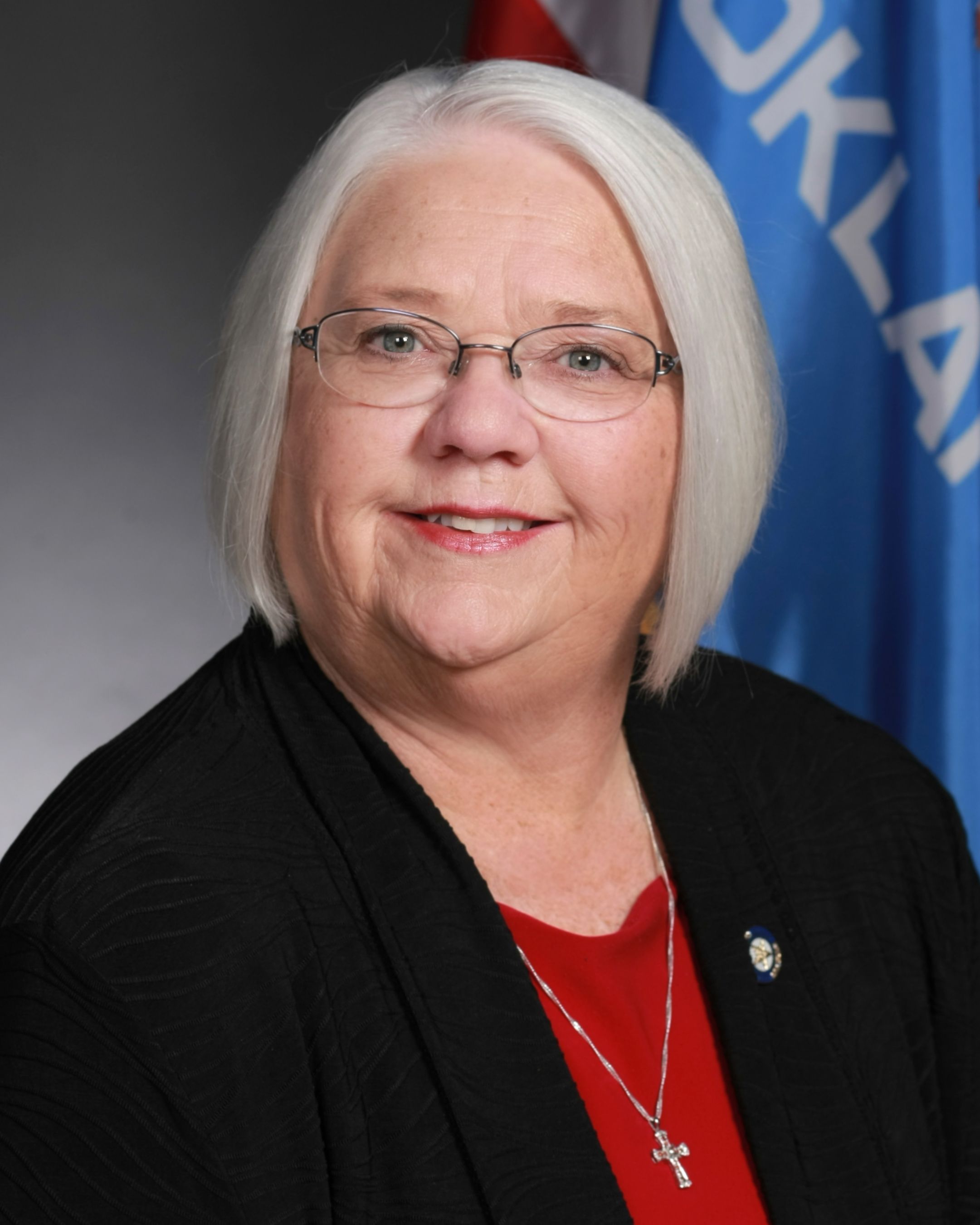
Rep. Marilyn Stark
Sponsored bills
Maddy summaryHB 3931 amends Oklahoma's death certificate correction procedures. It allows funeral directors to correct non-medical errors (like misspellings) on death certificates within one year of issuance without marking the certificate "amended," using written requests or sworn statements. For corrections requested one year or more after issuance, applicants must file a petition with the Administrative Hearing Clerk, providing clear evidence of factual errors, and bear the burden of proof. The bill also includes a separate provision requiring biological sex designations on amended birth certificates to be strictly "male" or "female," prohibiting nonbinary options. This bill takes effect November 1, 2026.
Maddy summarySB 933 requires Oklahoma hospitals and ambulatory surgical centers to adopt policies using surgical smoke evacuation systems during procedures likely to generate surgical smoke. These systems must capture smoke at the source before it reaches staff or patients' eyes or lungs. The bill defines "surgical smoke" as gaseous by-products like plume or bio-aerosols produced during energy-based surgical procedures. The policy must be implemented by November 1, 2025, to prevent exposure to this airborne hazard.
Maddy summaryHB 3930 clarifies that only trained dogs qualify as service animals under Oklahoma law, explicitly excluding emotional support and therapy animals. It requires businesses selling or providing emotional support animals (including verification or ID tags) to give written notices stating these animals do not grant service animal rights. The bill imposes fines of $100-$250 for first violations and $500 for repeat violations for misrepresenting emotional support animals as service animals. This directly affects businesses selling emotional support animals and consumers who might falsely claim service animal status.
Maddy summaryHB 1171 modifies Oklahoma's sales tax exemption rules for nonprofits by requiring organizations to have annual gross revenue under $500,000 to qualify for exemption on tangible personal property and services. It specifically excludes alcohol and tobacco sales from the exemption, meaning nonprofits selling these items cannot claim tax-free status. This change directly affects small nonprofits that previously qualified for full exemption but now must meet the revenue threshold to maintain tax-free status on other sales. The bill also updates existing exemption categories but does not alter the core tax treatment for qualifying nonprofits beyond the revenue limit and alcohol/tobacco exception.
Maddy summaryThis bill establishes the Oklahoma Long-Term Care Modernization Act of 2026, which serves as a formal title for future legislation related to long-term care services in the state. The measure does not create new policies or regulations but instead sets a framework for organizing subsequent long-term care reforms. It will take effect on November 1, 2026, and applies to the state's long-term care system and related stakeholders. The bill is currently in its early stages of review and has not yet been assigned to a specific committee for detailed consideration.
Maddy summaryHB 3929 establishes Oklahoma's participation in the Occupational Therapy Compact, allowing licensed occupational therapists from other participating states to practice in Oklahoma without obtaining a separate state license. The bill creates a "compact privilege" that permits therapists to provide services where their patient is located (not where the therapist resides), while preserving each state's regulatory authority over licensure. Key provisions include standardized rules for license verification, sharing of disciplinary information between states, and requirements for therapists to maintain active licenses in their home state. This affects occupational therapists seeking multi-state practice opportunities and patients needing access to therapy services across state lines.
Maddy summaryHB 3932 creates the "Oklahoma Human Trafficking Act of 2026" as a named designation but contains no substantive policy provisions or legal requirements. It is explicitly designated as "noncodification," meaning it will not become part of Oklahoma's official statutes or create new legal obligations. The bill only establishes a title for anti-human trafficking efforts and sets an effective date of November 1, 2026. It does not directly affect individuals, organizations, or alter existing laws, as it serves solely as a naming resolution.
Maddy summaryOklahoma's HB 1178 clarifies rules for service animals in public places, directly affecting businesses and individuals with disabilities. The bill defines "service animal" strictly as one trained to perform tasks for people with disabilities (excluding emotional support or therapy animals), requires businesses to post clear signage about animal policies, and creates misdemeanor penalties for falsely claiming a service animal to gain access or benefits. It aligns with federal standards but explicitly prohibits misrepresenting emotional support or therapy animals as service animals. The law takes effect November 1, 2025.
Maddy summaryHB 1178 clarifies Oklahoma's service animal laws by defining "service animal" narrowly to exclude emotional support and therapy animals, which must be trained to assist individuals with disabilities. It requires businesses to post clear signage about animal policies and prohibits businesses from questioning a service animal's legitimacy beyond federal guidelines. The bill makes it a misdemeanor to falsely claim an animal is a service animal to access public spaces or benefits, targeting misuse of service animal privileges. This directly affects businesses (public accommodations) and individuals making false claims, aligning Oklahoma law with federal definitions while strengthening enforcement against deceptive practices.