Home Oklahoma Committees Public Safety
Senate Committee
Committee

Public Safety

Roster

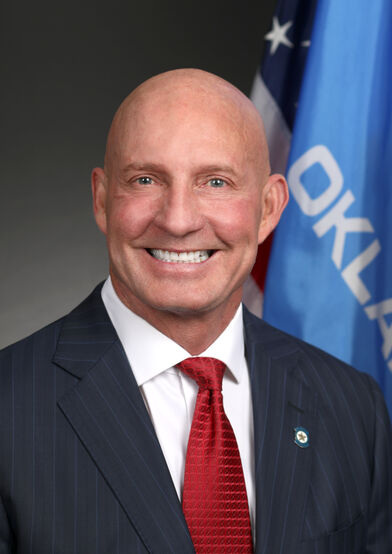
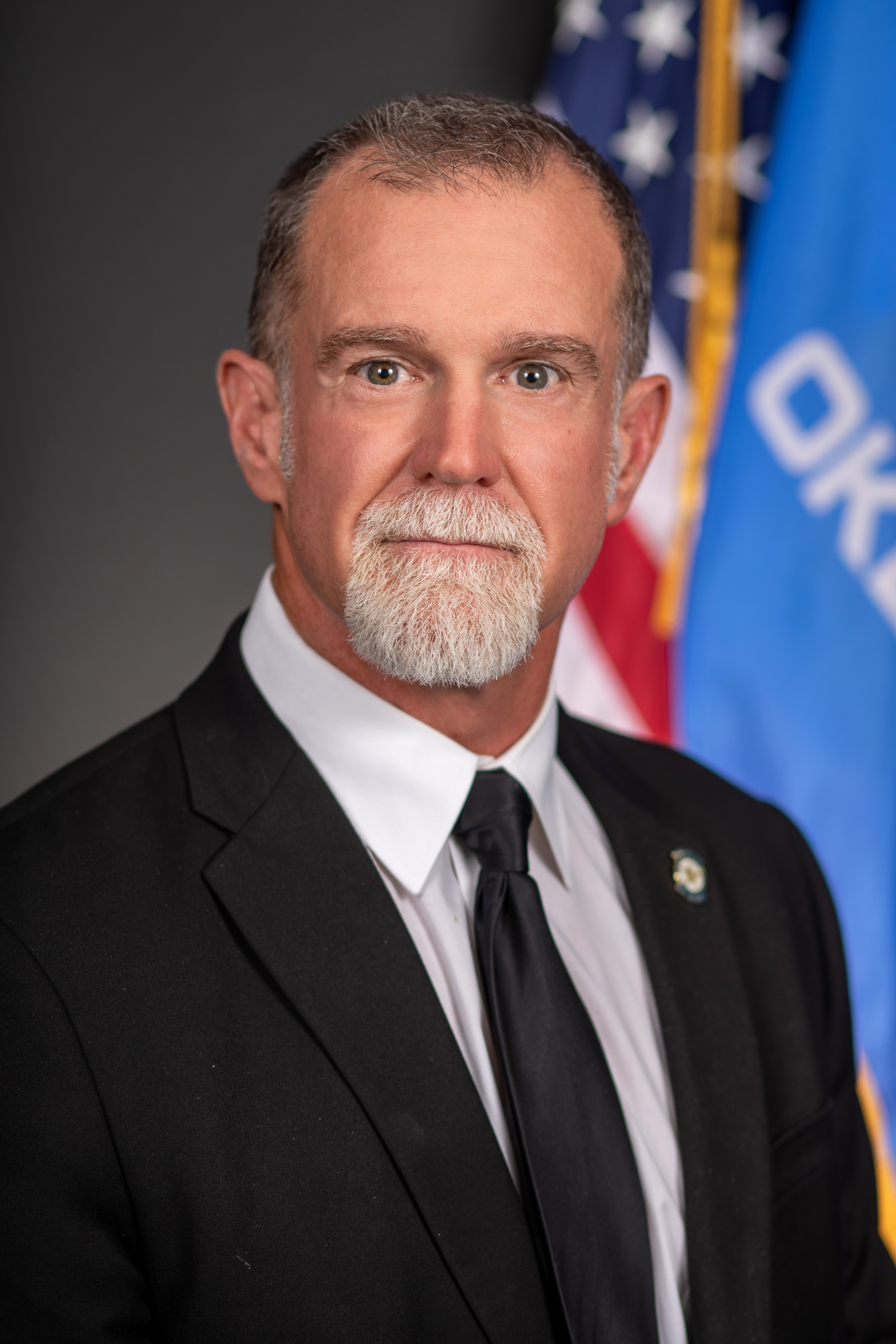
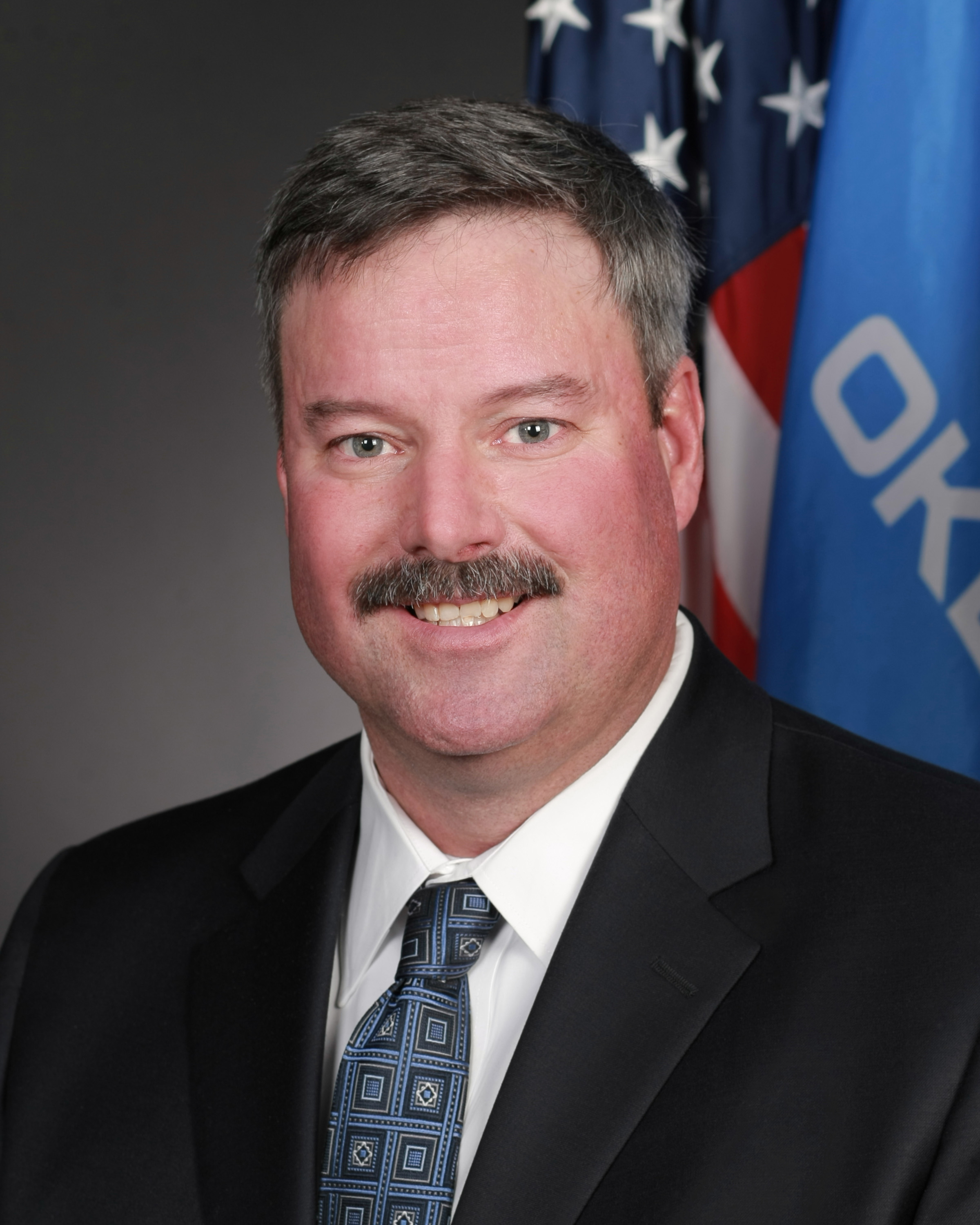
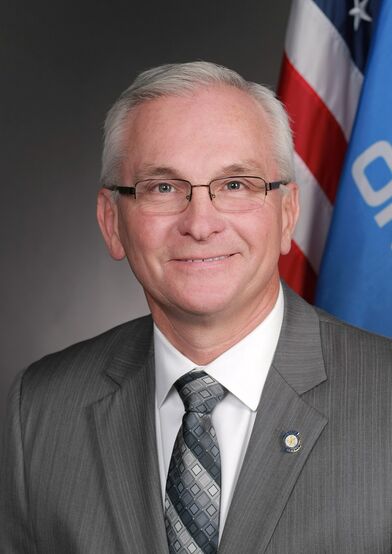
Members · 8

Legislation

Recent bills · 5

signed · Oklahoma · Senate May 29, 2026

SB 1257: Uniform Controlled Dangerous Substances Act; modifying classification of certain substances. Effective date.

SB 1257 amends Oklahoma's Uniform Controlled Dangerous Substances Act to update the classification of specific substances. It adds certain substances to Schedule I (Section 2-204) and adds/removes substances from Schedule III (Section 2-208). These changes modify which substances are legally controlled under state law, affecting law enforcement, medical practitioners, and entities handling controlled substances. The bill also updates related definitions in Section 2-101, including clarifications on "acute pain" and "drug paraphernalia." This procedural update adjusts the legal framework for controlled substances without creating new programs or penalties.
signed · Oklahoma · Senate May 13, 2026

SB 65: Substance abuse services; authorizing the possession, acquisition, distribution and administration of emergency opioid antagonists and adulterant test strips by any person. Effective date. Emergency.

SB 65 amends Oklahoma's controlled substances laws (63 O.S. Sections 2-315 and 2-508) to streamline the destruction process for unused or seized dangerous drugs. It removes the requirement for facilities (like group homes or hospitals) and law enforcement to submit substances to specific locations (e.g., Oklahoma City lab or DEA) before destruction, and eliminates the mandatory incineration rule. Instead, authorized individuals (such as medical examiners or law enforcement agencies) may now destroy substances directly while still complying with federal regulations (21 C.F.R. Part 1317). This change simplifies the process for handling outdated, abandoned, or seized drugs without altering the core evidence retention procedures for law enforcement.
signed · Oklahoma · House May 12, 2026

HB 4142: Crimes and punishments; unlawful use of bombs or explosive devices; modifying elements of certain crimes; effective date.

HB 4142 amends Oklahoma's criminal code to clarify and expand offenses involving explosives, incendiary devices, and simulated bombs. It adds new felony charges for threatening to use such devices (Section 1767.1, subsection 7), manufacturing/selling them with intent to harm (subsection 4), and possessing them during felonies (subsection 9). The bill also updates definitions, explicitly including "simulated bombs" (devices designed to look like explosives but are inoperable) and clarifying terms like "explosive" and "incendiary device." It excludes harmless juvenile activities involving firecrackers or "stink bombs" from these provisions. The changes take effect on November 1, 2026.
vetoed · Oklahoma · House May 12, 2026

HB 1752: Central purchasing; motor vehicles; requisition; Attorney General and District Attorneys Council exceptions; effective date.

HB 1752 is a procedural bill that names the "Central Purchasing Act of 2025" and sets its effective date. It does not establish new purchasing procedures or affect any specific entities, as it is explicitly stated to be "not to be codified" in Oklahoma Statutes. The bill formally designates the act's name and specifies November 1, 2025, as its effective date. This is a standard naming and timing measure with no substantive policy changes.
signed · Oklahoma · House May 11, 2026

HB 2951: Prisons and reformatories; authorizing the transport of inmate to certain facility; repealer; effective date.

HB 2951 updates Oklahoma law governing the transfer of sentenced inmates from county facilities to state correctional centers. It requires sheriffs or detention centers to transport individuals sentenced to prison (not county jail) to specific state facilities like the Lexington Assessment and Reception Center or Mabel Bassett Correctional Center, along with required documents including court records, medical information, and presentence reports. The bill also establishes reimbursement for sheriffs' transport costs (capped at $30/hour) and mandates quarterly reporting to legislative committees. These changes directly affect county law enforcement agencies, inmates being transferred, and the Oklahoma Department of Corrections.