

Tulsa Reconciliation Education and Scholarship Program; modifying eligibility; removing certain eligibility criteria. Emergency.
SB 2040 modifies Oklahoma's Tulsa Reconciliation Education and Scholarship Program to expand eligibility for descendants of 1921 Tulsa Race Massacre victims. It increases the income limit for most applicants from $70,000 to $125,000 annually while removing income limits entirely for direct lineal descendants. The bill requires applicants to verify lineage through documentation (like family records or public archives) reviewed by the Oklahoma Historical Society, and mandates that all applicants must mark a checkbox confirming descendant status on applications. It directs the State Regents to prioritize descendants in scholarship selection and updates how scholarship funds are distributed to support students in Oklahoma higher education or career programs.
Bill status
passed
3 of 5 stages cleared
Introduction
Feb 2026
Committee Review
Mar 2026
Senate Passage
Mar 2026
House Passage
Governor
Introduced Feb 2, 2026
Last action Mar 31, 2026
Maddy AI version diff · 5 comparisons
What changed between versions
SB2040 (3-17-26) (JETT) WDFA1.PDF
→
Floor (Senate)
·
6 edits
MODERATE
The bill was amended to create a scholarship program for Tulsa residents impacted by the 1921 race massacre. The changes significantly broaden eligibility by adding a category for all Tulsa public school students (not just descendants) and removing specific poverty-based school and census block requirements. It also establishes a $70,000/$128,000 family income cap that adjusts annually, with no limit for direct descendants.
Scope change
The program now applies to all qualified high school students in the Tulsa School District, whereas the original text appeared to restrict eligibility primarily to direct descendants.
ELIGIBILITY
Added a new eligibility category for any qualified high school student in the Tulsa School District, regardless of whether they are a direct descendant of a 1921 victim.
Removed two specific eligibility criteria: attending a Tulsa public school with 75% free/reduced lunch enrollment and living in a census block with 30% poverty rate.
Established a family income limit of $70,000 for single applicants and $128,000 for joint filers, with no income limit for direct descendants.
REQUIREMENT
Added a requirement that the income limit be adjusted annually based on the Consumer Price Index.
Authorized the use of the FAFSA form to verify family income.
FISCAL
Set the scholarship amount to not exceed the average resident tuition for eligible institutions.
Floor votes · Senate Mar 25, 2026
How they voted
49–0
Passed · 1 other
Total votes 50
Mar 25, 2026
D
Democratic9
100% Yea
R
Republican41
97% Yea
Vote distribution
All Yea
All Nay
Mixed
No data
Full legislative history
Actions timeline
Total actions
18
Key actions
4
Committee
4
Mar 31, 2026
Committee
Referred to Appropriations and Budget Education Subcommittee
lower
Mar 26, 2026
Introduced
First Reading
lower
Mar 26, 2026
Upper · Passed
Engrossed to House
upper
Mar 25, 2026
Committee
Referred for engrossment
upper
Mar 25, 2026
Upper · Passed
Emergency passed: Ayes: 46 Nays: 0
upper
Mar 25, 2026
Upper · Passed
Measure passed: Ayes: 47 Nays: 0
upper
Mar 4, 2026
Committee
Referred to Appropriations
upper
Mar 4, 2026
Upper · Passed
Reported Do Pass, amended by committee substitute Rules committee; CR filed
upper
Feb 2, 2026
Introduced
First Reading
upper
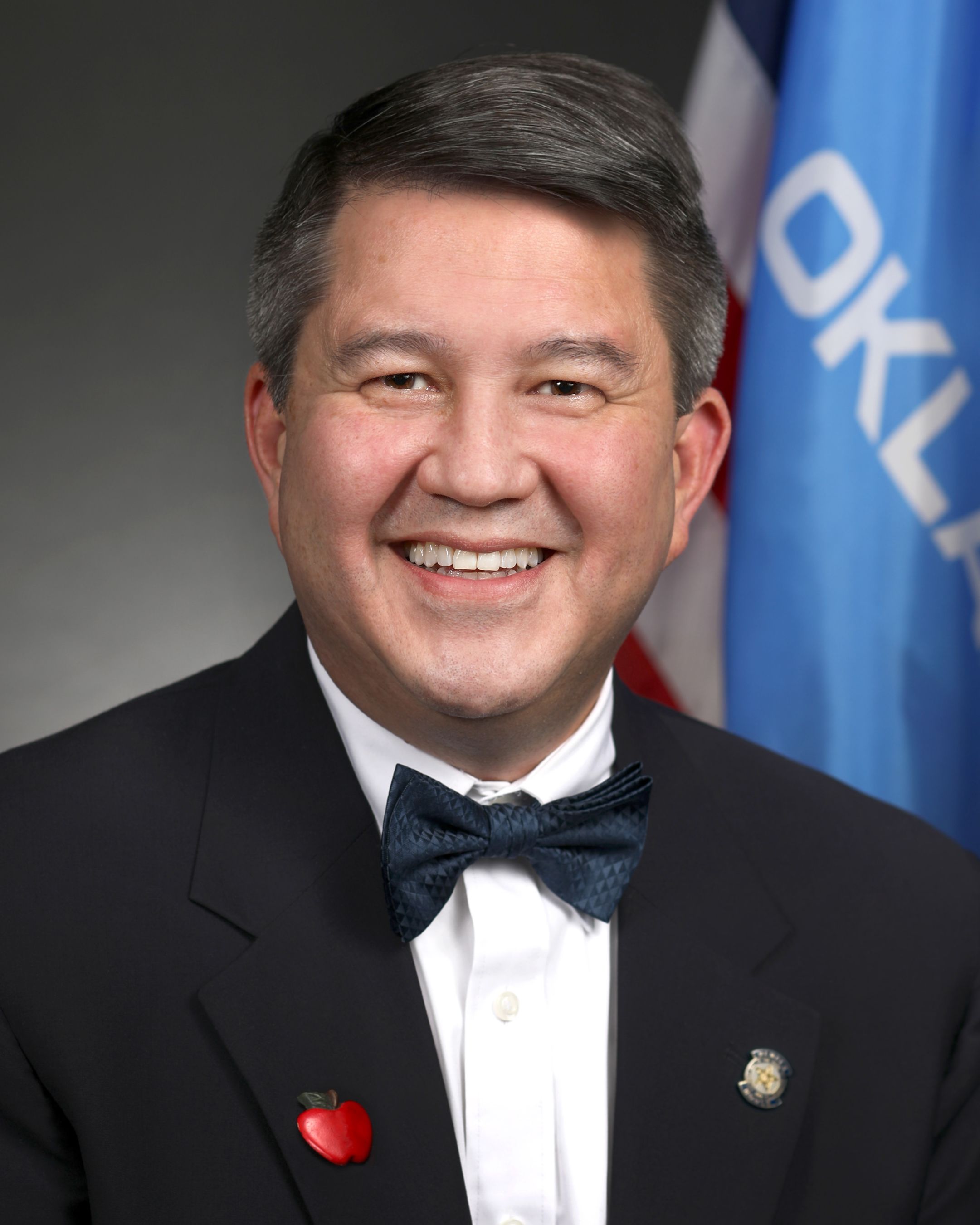
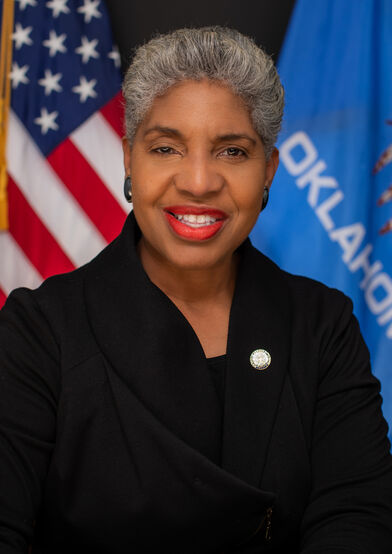
2 primary · 0 co-sponsors
Sponsors
Ask Maddy
·
AI policy assistant
Ask Maddy about SB 2040
Scope: OK
Hi! I can help you understand SB 2040. What would you like to know?
Try one of these
i
Maddy answers using official bill text and legislative records. Always verify before sharing.
Sources cited inline