

Public health; mandating certain pediatric screenings for type 1 diabetes; providing for certain reimbursement and funding. Effective date.
SB 1427 requires all Oklahoma children to be screened for type 1 diabetes during routine checkups at ages 5 and 12 by their primary care providers, using accepted medical practices. The bill mandates that these screenings be reimbursed through Oklahoma's Medicaid program (pending federal approval) and directs the State Department of Health to seek additional funding to support the screenings. The Oklahoma Health Care Authority Board and State Commissioner of Health must create implementing rules for reimbursement and screening protocols. This law applies to all children in Oklahoma and takes effect November 1, 2026.
Bill status
signed
all 5 stages cleared
Introduction
Feb 2026
Committee Review
Apr 2026
Senate Passage
Mar 2026
House Passage
Apr 2026
Signed into Law
May 2026
Introduced Feb 2, 2026
Signed May 7, 2026
Maddy AI version diff · 5 comparisons
What changed between versions
Floor (House)
→
Floor (Senate)
·
4 edits
MODERATE
The bill was amended to shift from a permissive approach allowing any health care provider to conduct screenings to a mandatory requirement for primary health care providers to offer them. The version also updated the responsible agencies, requiring the State Commissioner of Health to create rules instead of the Oklahoma Health Care Authority Board.
Scope change
The bill's scope was narrowed to specifically target 'primary health care providers' rather than all health care providers, and the obligation to offer screenings changed from optional to mandatory.
ELIGIBILITY
Changed the requirement from 'Every health care provider' to 'Every primary health care provider'.
REQUIREMENT
Changed the action from 'may conduct' (optional) to 'shall offer' (mandatory).
DEFINITION
Added a reference to rules promulgated by the State Commissioner of Health regarding how screenings must be conducted.
ENFORCEMENT
Replaced the Oklahoma Health Care Authority Board with the State Commissioner of Health as the agency responsible for promulgating necessary rules.
Floor votes · Senate Mar 25, 2026 · House Apr 29, 2026
How they voted
45–2
Passed · 3 other
Total votes 50
Mar 25, 2026
D
Democratic9
100% Yea
R
Republican41
87% Yea
Vote distribution
All Yea
All Nay
Mixed
No data
Full legislative history
Actions timeline
Total actions
28
Key actions
6
Committee
7
Amendments
1
Apr 29, 2026
Committee
Referred for enrollment
upper
Apr 29, 2026
Lower · Passed
Third Reading, Measure passed: Ayes: 84 Nays: 0
lower
Apr 23, 2026
Lower · Passed
CR; Do Pass Appropriations and Budget Committee
lower
Apr 7, 2026
Lower · Passed
Recommendation to the full committee; Do Pass Appropriations and Budget Health Subcommittee
lower
Mar 31, 2026
Committee
Referred to Appropriations and Budget Health Subcommittee
lower
Mar 26, 2026
Introduced
First Reading
lower
Mar 26, 2026
Upper · Passed
Engrossed to House
upper
Mar 25, 2026
Committee
Referred for engrossment
upper
Mar 25, 2026
Upper · Passed
Measure passed: Ayes: 43 Nays: 2
upper
Mar 25, 2026
Introduced
General Order, Amended
upper
Feb 16, 2026
Committee
Referred to Appropriations
upper
Feb 16, 2026
Upper · Passed
Reported Do Pass as amended Health and Human Services committee; CR filed
upper
Feb 2, 2026
Introduced
First Reading
upper
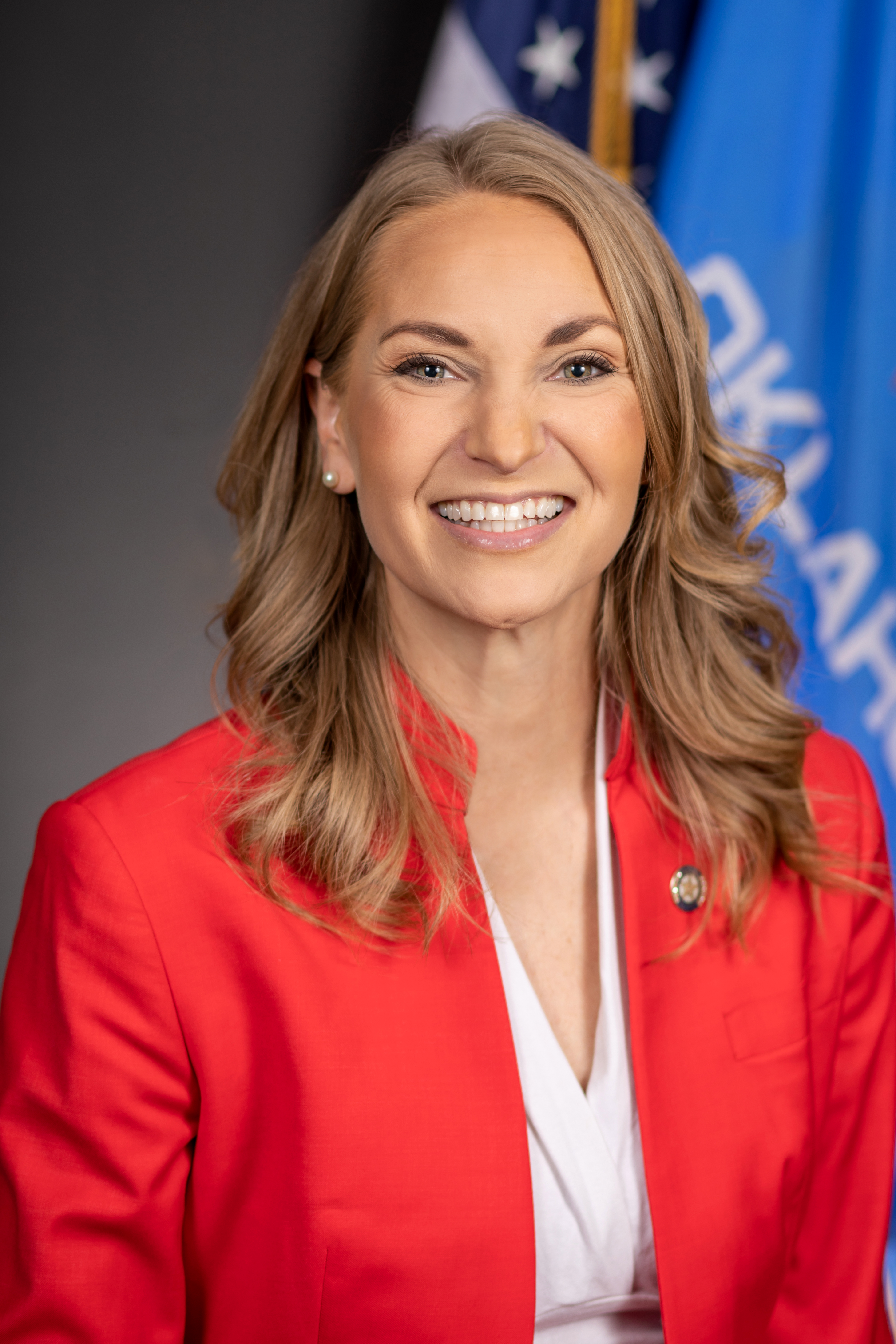
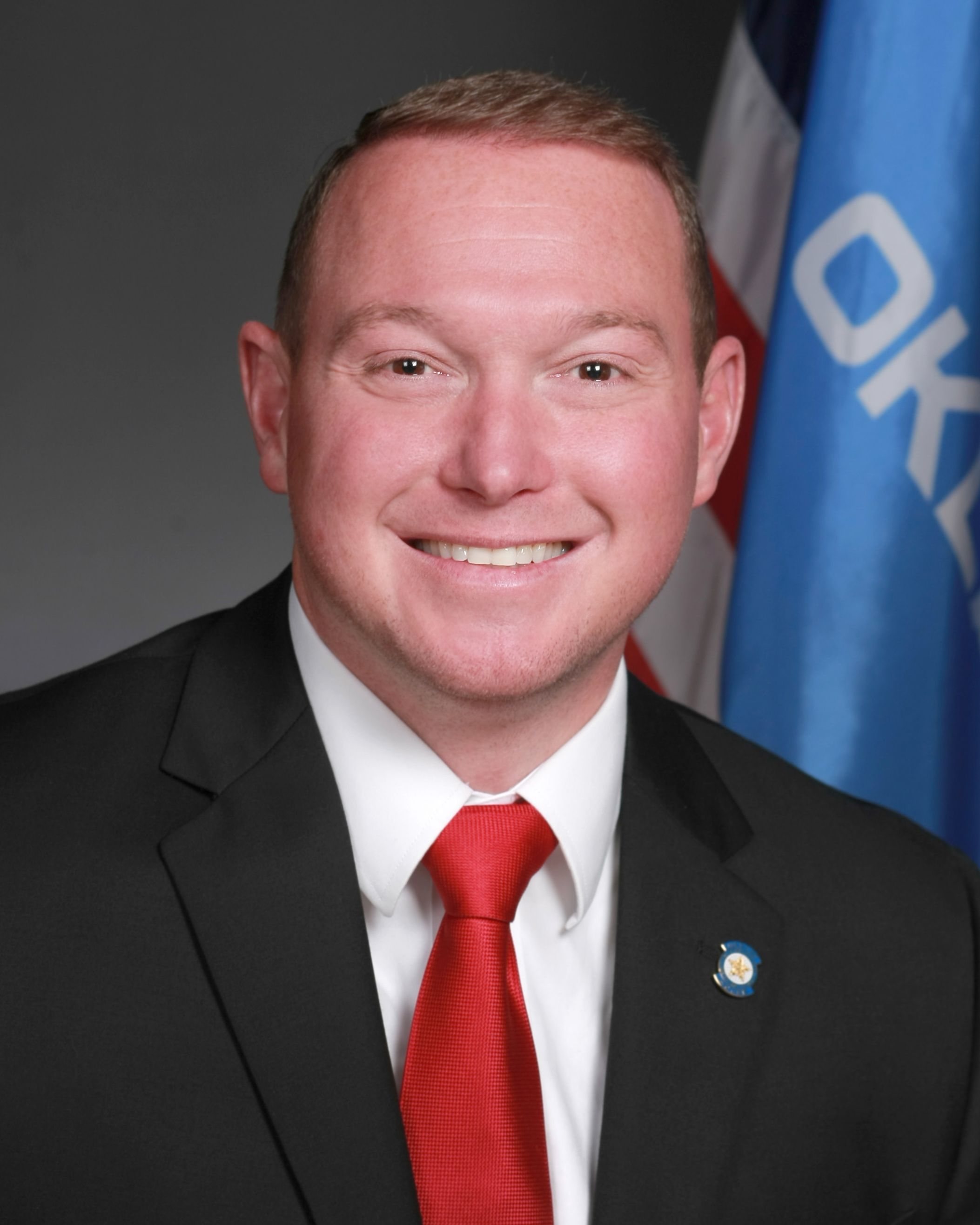
2 primary · 0 co-sponsors
Sponsors
Ask Maddy
·
AI policy assistant
Ask Maddy about SB 1427
Scope: OK
Hi! I can help you understand SB 1427. What would you like to know?
Try one of these
i
Maddy answers using official bill text and legislative records. Always verify before sharing.
Sources cited inline