

Elections; appointment; inspector; judge; clerk; election precincts; insufficient nominees; appointment; effective date.
HB 3852 changes Oklahoma's process for appointing election precinct officials (inspectors, judges, and clerks). It shortens their terms from four to two years and requires county election boards to appoint these officials every two years, using nominee lists submitted by the top two political parties in the county. County central committees must provide lists equal to twice the number of precincts by June 15 after a gubernatorial election, with appointments finalized by July 1. The bill affects county election boards and precinct staff, taking effect November 1, 2026.
Bill status
passed
3 of 5 stages cleared
Introduction
Feb 2026
Committee Review
Apr 2026
House Passage
Mar 2026
Senate Passage
Governor
Introduced Feb 2, 2026
Last action Apr 23, 2026
Maddy AI version diff · 5 comparisons
What changed between versions
Floor (House)
→
Floor (Senate)
·
5 edits
MODERATE
This bill updates election appointment procedures and eligibility rules in Oklahoma. It shortens the term for election officials from four years to two years, requires political parties to submit twice as many nominee lists as there are precincts, and changes the penalty for removed officials from a three-year ban to a six-year ban. The Senate version also adds a provision allowing a county secretary to temporarily appoint a relative as an election official with state board approval.
Scope change
The bill applies to the appointment of inspectors, judges, and clerks for all election precincts in the state.
REQUIREMENT
Election official terms were reduced from four years to two years.
Political parties must now submit a nominee list equal to twice the number of precincts, up from three times.
A new provision allows a county election secretary to temporarily appoint a relative as an election official if approved by the State Election Board.
ELIGIBILITY
The ban on serving as an election official after being removed from office was extended from three years to six years.
TIMELINE
The bill's effective date was set to November 1, 2026.
Floor votes · House Mar 24, 2026
How they voted
95–0
Passed · 5 other
Total votes 100
Mar 24, 2026
D
Democratic18
100% Yea
R
Republican82
93% Yea
Vote distribution
All Yea
All Nay
Mixed
No data
Full legislative history
Actions timeline
Total actions
16
Key actions
5
Committee
5
Apr 21, 2026
Upper · Passed
Reported Do Pass as amended Judiciary committee; CR filed
upper
Mar 25, 2026
Introduced
First Reading
upper
Mar 25, 2026
Lower · Passed
Engrossed, signed, to Senate
lower
Mar 24, 2026
Committee
Referred for engrossment
lower
Mar 24, 2026
Lower · Passed
Third Reading, Measure passed: Ayes: 94 Nays: 0
lower
Mar 9, 2026
Lower · Passed
CR; Do Pass, amended by committee substitute Government Oversight Committee
lower
Feb 18, 2026
Lower · Passed
Policy recommendation to the Government Oversight committee; Do Pass, amended by committee substitute Elections and Ethics
lower
Feb 3, 2026
Committee
Referred to Elections and Ethics
lower
Feb 2, 2026
Introduced
First Reading
lower
2 primary · 0 co-sponsors
Sponsors
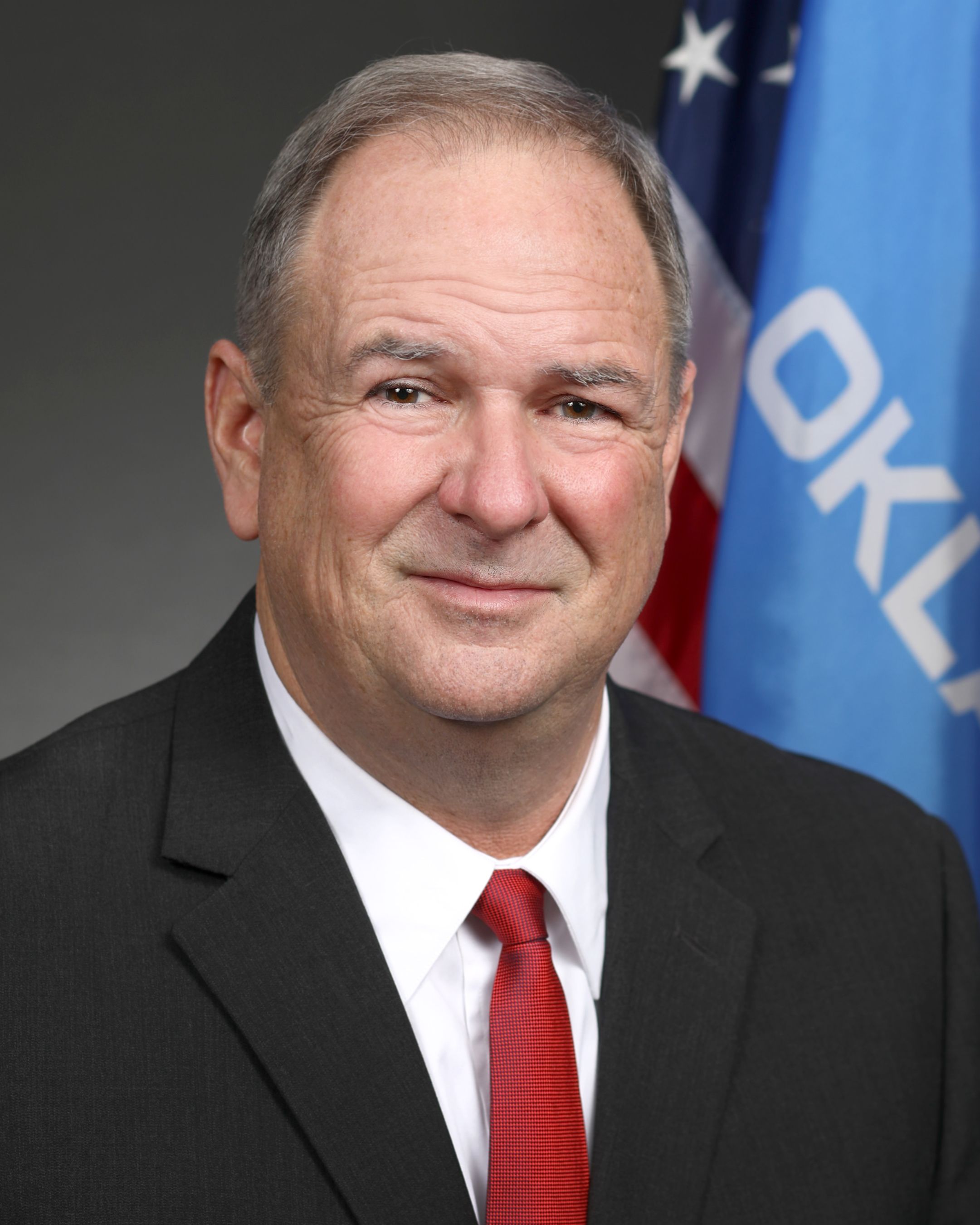
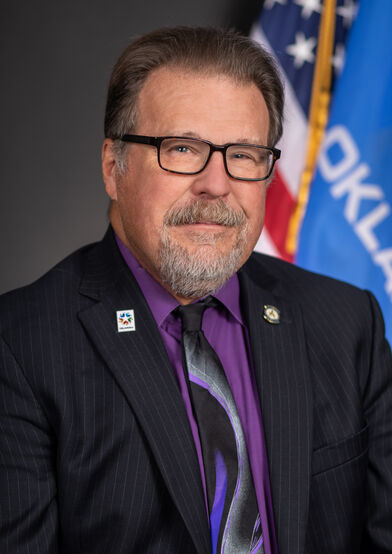
Ask Maddy
·
AI policy assistant
Ask Maddy about HB 3852
Scope: OK
Hi! I can help you understand HB 3852. What would you like to know?
Try one of these
i
Maddy answers using official bill text and legislative records. Always verify before sharing.
Sources cited inline