

Central purchasing; motor vehicles; requisition; Attorney General and District Attorneys Council exceptions; effective date.
HB 1752 is a procedural bill that names the "Central Purchasing Act of 2025" and sets its effective date. It does not establish new purchasing procedures or affect any specific entities, as it is explicitly stated to be "not to be codified" in Oklahoma Statutes. The bill formally designates the act's name and specifies November 1, 2025, as its effective date. This is a standard naming and timing measure with no substantive policy changes.
Bill status
vetoed
4 of 5 stages cleared
Introduction
Feb 2025
Committee Review
May 2026
House Passage
May 2026
Senate Passage
Apr 2026
Vetoed
May 2026
Introduced Feb 3, 2025
Vetoed May 12, 2026
Maddy AI version diff · 6 comparisons
What changed between versions
Floor (House)
→
Floor (Senate)
·
1 edit
MINOR
The bill was amended to exempt specific state agencies from a new requirement to submit vehicle requisitions for approval. Previously, all state agencies had to request permission before buying a vehicle, but the Senate version now excludes the Department of Public Safety, the Land Office, the Attorney General's Office, the District Attorneys Council, the Bureau of Narcotics and Dangerous Drugs, and the Military Department from this rule. This change allows these agencies to purchase vehicles without prior administrative review, likely to streamline operations for critical public safety and legal functions.
Scope change
The bill's scope was narrowed by adding specific exemptions for six state agencies that are now excluded from the mandatory vehicle requisition process.
ELIGIBILITY
Added an exemption clause stating that the vehicle requisition approval process does not apply to the Department of Public Safety, the Land Office, the Attorney General's Office, the Oklahoma District Attorneys Council, the Oklahoma State Bureau of Narcotics and Dangerous Drugs Control, or the Oklahoma Military Department.
Floor votes · Senate Apr 28, 2026 · House Mar 11, 2026
How they voted
35–13
Passed · 2 other
Total votes 50
Apr 28, 2026
D
Democratic9
66% Yea
R
Republican41
70% Yea
Vote distribution
All Yea
All Nay
Mixed
No data
Full legislative history
Actions timeline
Total actions
36
Key actions
9
Committee
9
Amendments
1
May 12, 2026
Vetoed
Vetoed 05/11/2026
lower
May 5, 2026
Committee
Referred for enrollment
lower
May 5, 2026
Lower · Passed
Fourth Reading, Measure passed: Ayes: 62 Nays: 23
lower
May 5, 2026
Lower · Passed
SA's read, adopted
lower
Apr 28, 2026
Upper · Passed
Engrossed to House
upper
Apr 28, 2026
Committee
Referred for engrossment
upper
Apr 28, 2026
Upper · Passed
Measure passed: Ayes: 33 Nays: 13
upper
Apr 28, 2026
Introduced
General Order, Amended
upper
Apr 14, 2026
Upper · Passed
Reported Do Pass as amended Public Safety committee; CR filed
upper
Apr 13, 2026
Committee
Referred to Public Safety
upper
Mar 12, 2026
Introduced
First Reading
upper
Mar 12, 2026
Lower · Passed
Engrossed, signed, to Senate
lower
Mar 11, 2026
Committee
Referred for engrossment
lower
Mar 11, 2026
Lower · Passed
Third Reading, Measure passed: Ayes: 78 Nays: 12
lower
Mar 5, 2026
Lower · Passed
CR; Do Pass, amended by committee substitute Appropriations and Budget Committee
lower
Feb 18, 2026
Lower · Passed
Recommendation to the full committee; Do Pass, amended by committee substitute Appropriations and Budget General Government Subcommittee
lower
Feb 9, 2026
Committee
Referred to Appropriations and Budget General Government Subcommittee
lower
Feb 9, 2026
Committee
Referred to Appropriations and Budget
lower
Feb 3, 2025
Introduced
First Reading
lower
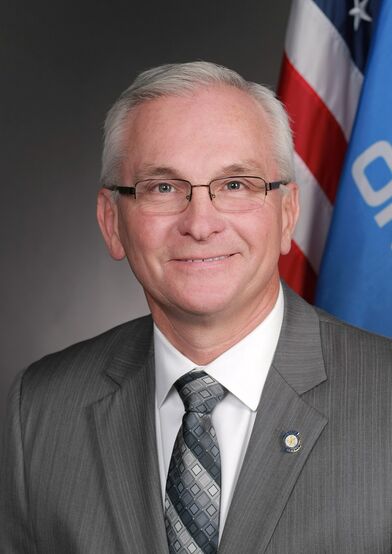
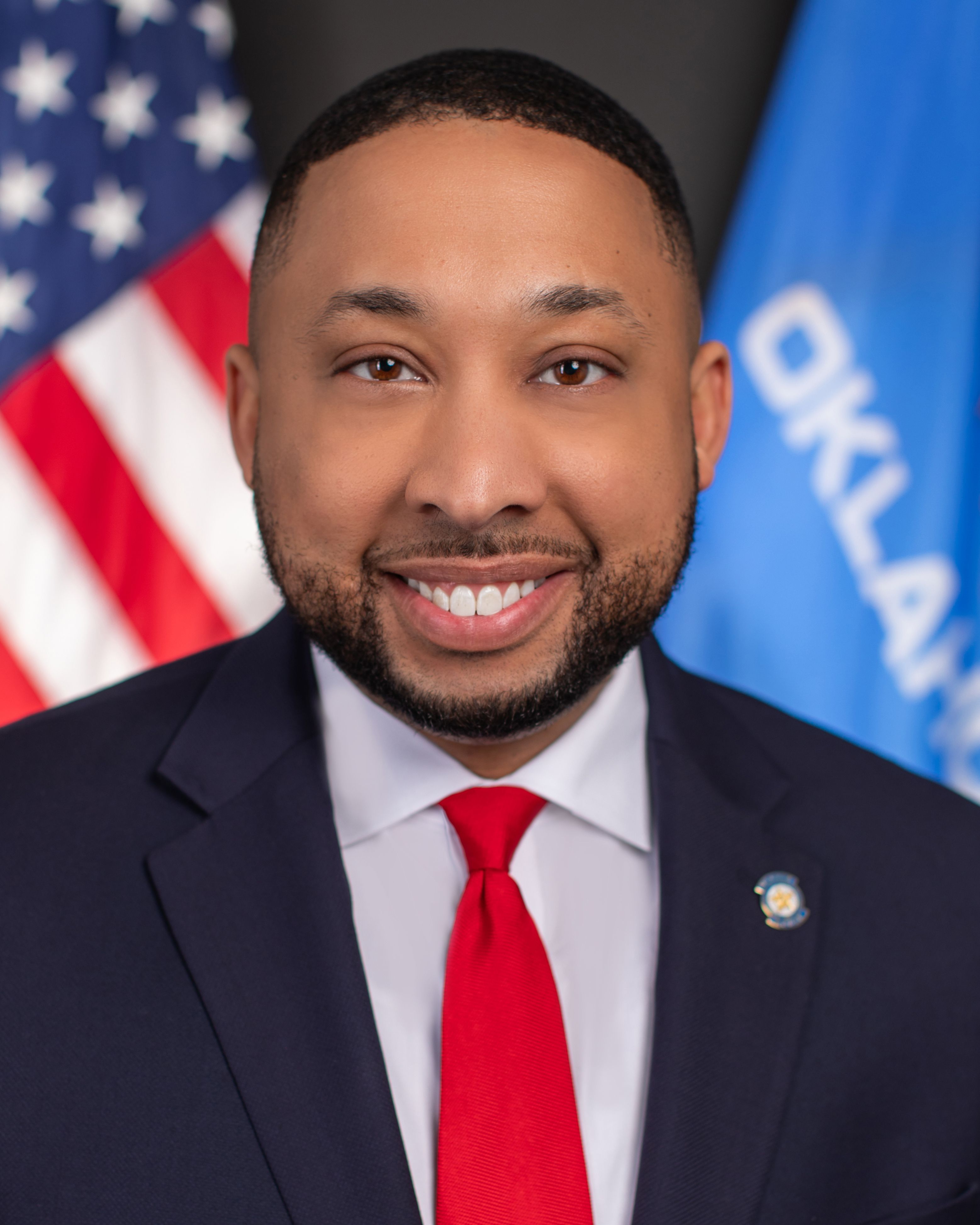
2 primary · 0 co-sponsors
Sponsors
Ask Maddy
·
AI policy assistant
Ask Maddy about HB 1752
Scope: OK
Hi! I can help you understand HB 1752. What would you like to know?
Try one of these
i
Maddy answers using official bill text and legislative records. Always verify before sharing.
Sources cited inline