

Medicaid; terms; Oklahoma Health Care Authority; coverage; Medicaid; criteria; medical necessity; discretion; Chief Operating Officer; Health Information Portability and Accountability Act; scientific research; consent; research; opting-out; minors; promulgation of rules and regulations; waiver application; effective date; emergency.
HB 1576 requires Oklahoma Medicaid to cover rapid whole genome sequencing (RWGS) for eligible beneficiaries under age 21 with complex or acute illnesses of unknown cause while receiving critical care in a hospital. It mandates coverage only when specific medical criteria are met, such as symptoms suggesting broad genetic testing needs, timely diagnosis being critical for treatment, and conditions like congenital anomalies or abnormal test results. The bill also ensures genetic data used for diagnosis is protected under HIPAA, allows research use only with explicit patient or guardian consent (with opt-out rights), and requires the Oklahoma Health Care Authority to implement rules and seek federal approval for coverage. This policy directly affects Medicaid-covered children and teens in intensive care with undiagnosed conditions.
Bill status
vetoed
4 of 5 stages cleared
Introduction
Feb 2025
Committee Review
May 2025
House Passage
May 2025
Senate Passage
May 2025
Vetoed
May 2025
Introduced Feb 3, 2025
Vetoed May 28, 2025
Maddy AI version diff · 5 comparisons
What changed between versions
Floor (House)
→
Floor (Senate)
·
4 edits
MODERATE
The bill was amended to transition from a House draft to a Senate floor version, incorporating specific committee amendments that expand eligibility criteria and clarify medical necessity requirements for rapid whole genome sequencing coverage. The Senate version adds detailed clinical conditions under which testing is authorized, such as specific genetic anomalies and abnormal lab results, and explicitly allows the Chief Operating Officer to add future conditions based on new medical evidence.
Scope change
The bill's scope was expanded to include patient-only, duo, and trio whole genome sequencing, and the list of qualifying medical conditions was significantly detailed to ensure coverage is tied to specific clinical scenarios.
DEFINITION
The definition of 'rapid whole genome sequencing' was updated to explicitly include patient-only, duo, and trio sequencing methods.
ELIGIBILITY
New specific clinical conditions were added to the list of qualifying illnesses, including congenital anomalies involving multiple organ systems, complex metabolic disorders, and abnormal cardiac or imaging results suggestive of genetic causes.
REQUIREMENT
The amendment clarifies that the Chief Operating Officer has the authority to add additional qualifying conditions to the list in the future based on emerging medical evidence.
The text regarding HIPAA and data usage was reorganized to clearly separate the primary use of data for patient care from its potential use in scientific research with consent.
Floor votes · Senate May 8, 2025 · House Mar 3, 2025
How they voted
47–1
Passed · 1 other
Total votes 49
May 8, 2025
D
Democratic9
100% Yea
R
Republican40
95% Yea
Vote distribution
All Yea
All Nay
Mixed
No data
Full legislative history
Actions timeline
Total actions
50
Key actions
18
Committee
10
Amendments
1
May 30, 2025
Vetoed
Veto overridden: Ayes: 76 Nays: 12
lower
May 29, 2025
Introduced
Filed with Secretary of State
lower
May 29, 2025
Vetoed
Veto overridden: Ayes: 36 Nays: 9
upper
May 28, 2025
Vetoed
Vetoed 05/28/2025
lower
May 22, 2025
Committee
Referred for enrollment
lower
May 22, 2025
Upper · Passed
Emergency passed, to House: Ayes: 39 Nays: 3
upper
May 22, 2025
Upper · Passed
Measure passed, to House: Ayes: 27 Nays: 15
upper
May 22, 2025
Upper · Passed
CCR adopted, GCCA
upper
May 22, 2025
Lower · Passed
Fourth Reading, Measure and Emergency Passed: Ayes: 68 Nays: 21
lower
May 22, 2025
Lower · Passed
CCR adopted
lower
May 15, 2025
Lower · Passed
HC's named: Conference Committee on Health and Human Services Oversight
lower
May 12, 2025
Upper · Passed
Engrossed to House
upper
May 8, 2025
Committee
Referred for engrossment
upper
May 8, 2025
Upper · Passed
Emergency passed: Ayes: 45 Nays: 1
upper
May 8, 2025
Upper · Passed
Measure passed: Ayes: 33 Nays: 13
upper
Apr 23, 2025
Upper · Passed
Reported Do Pass Appropriations committee; CR filed
upper
Apr 7, 2025
Committee
Referred to Appropriations
upper
Apr 7, 2025
Upper · Passed
Reported Do Pass as amended Health and Human Services committee; CR filed
upper
Mar 4, 2025
Introduced
First Reading
upper
Mar 4, 2025
Lower · Passed
Engrossed, signed, to Senate
lower
Mar 3, 2025
Committee
Referred for engrossment
lower
Mar 3, 2025
Lower · Passed
Third Reading, Measure and Emergency passed: Ayes: 83 Nays: 14
lower
Mar 3, 2025
Lower · Passed
Amended
lower
Feb 26, 2025
Lower · Passed
CR; Do Pass Health and Human Services Oversight Committee
lower
Feb 5, 2025
Lower · Passed
Policy recommendation to the Health and Human Services Oversight committee; Do Pass Public Health
lower
Feb 4, 2025
Committee
Referred to Public Health
lower
Feb 3, 2025
Introduced
First Reading
lower
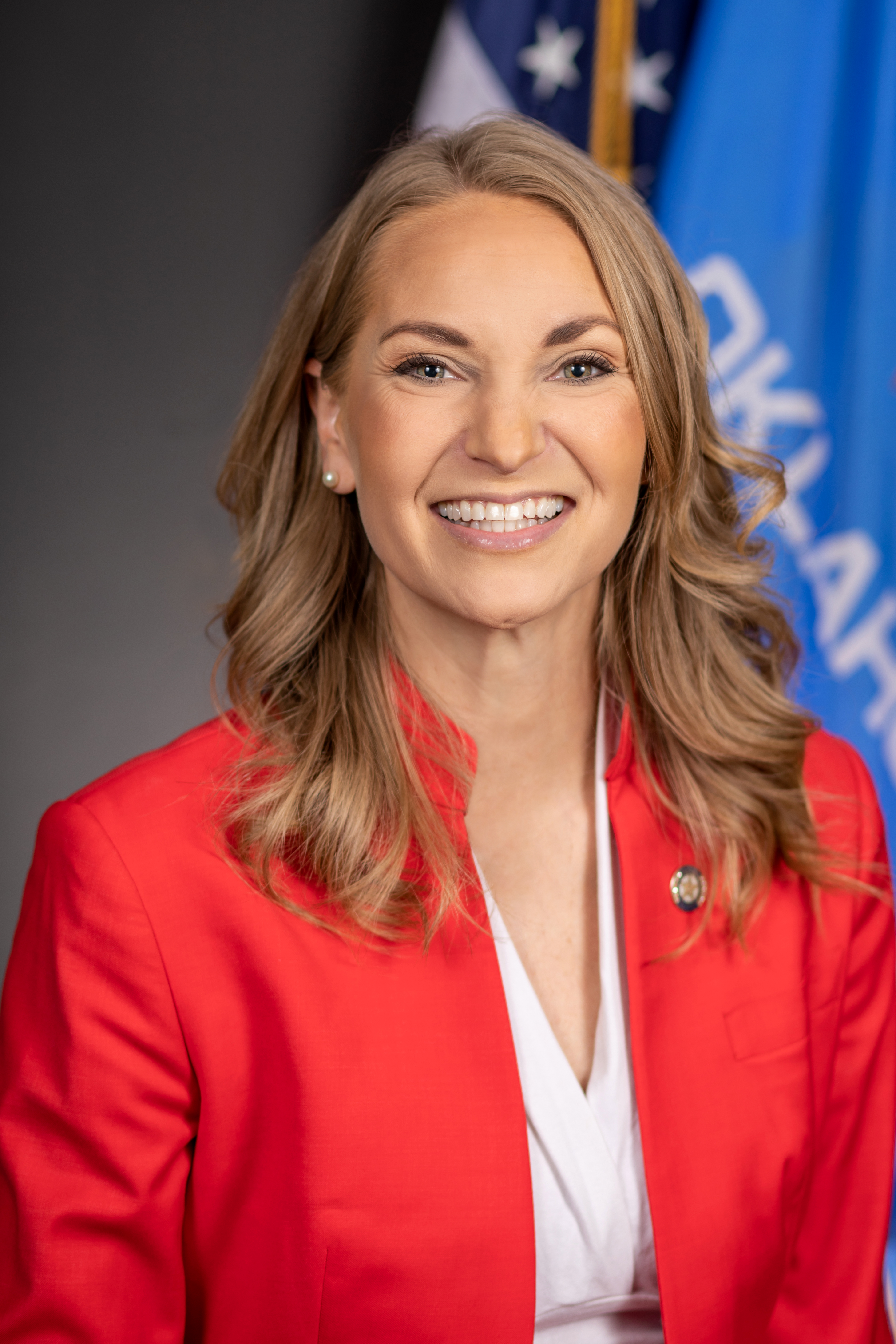
2 primary · 0 co-sponsors
Sponsors

Ask Maddy
·
AI policy assistant
Ask Maddy about HB 1576
Scope: OK
Hi! I can help you understand HB 1576. What would you like to know?
Try one of these
i
Maddy answers using official bill text and legislative records. Always verify before sharing.
Sources cited inline