

Administration of elections; modifying permissible dates for certain elections; authorizing special elections called for certain purposes to be held on certain dates. Effective date.
This bill changes Oklahoma's election scheduling rules. It specifies exact Tuesdays for regular elections (like the second Tuesday in February, April, and November) and creates new dates for special elections (such as January 2nd or March 1st). Municipalities, school districts, and other local entities must file election resolutions 75 days in advance, with candidate filing periods aligning with state/federal election dates. The changes apply to all counties, cities, school districts, and fire protection districts holding elections, effective after January 1, 2026.
Bill status
signed
all 5 stages cleared
Introduction
Feb 2025
Committee Review
May 2025
Senate Passage
May 2025
House Passage
May 2025
Signed into Law
May 2025
Introduced Feb 3, 2025
Signed May 27, 2025
Maddy AI version diff · 10 comparisons
What changed between versions
Floor (House)
→
Floor (Senate)
·
3 edits
MINOR
This bill was revised to transition from the House version to the Senate version, incorporating amendments to election scheduling laws. The Senate version adds language clarifying the filing period for special elections and modifies the effective date to November 1, 2025, while maintaining the core requirement that elections be held on Tuesdays.
Scope change
The bill's scope remains focused on election administration, but the Senate version clarifies the candidate filing period requirements for special elections and adjusts the effective date.
TIMELINE
The effective date was changed from an unspecified date in the House version to November 1, 2025, in the Senate version.
REQUIREMENT
The Senate version added specific language requiring a candidate filing period of three days for special elections filling vacancies, beginning no later than ten days after the resolution is filed.
TECHNICAL
The bill text was reformatted and renumbered to reflect Senate floor version markup, with committee amendments now denoted in bold face rather than the House version's formatting.
Floor votes
How they voted
This bill passed the Senate by voice vote (no roll call recorded).
Full legislative history
Actions timeline
Total actions
29
Key actions
11
Committee
9
Amendments
1
May 27, 2025
Signed into law
Approved by Governor 05/22/2025
upper
May 15, 2025
Committee
Referred for enrollment
upper
May 15, 2025
Upper · Passed
Measure passed: Ayes: 36 Nays: 7
upper
May 15, 2025
Upper · Passed
HAs adopted
upper
May 8, 2025
Lower · Passed
Engrossed, signed, to Senate
lower
May 7, 2025
Committee
Referred for engrossment
lower
May 7, 2025
Lower · Passed
Third Reading, Measure passed: Ayes: 93 Nays: 0
lower
Apr 21, 2025
Lower · Passed
CR; Do Pass, amended by committee substitute Government Oversight Committee
lower
Apr 9, 2025
Lower · Passed
Policy recommendation to the Government Oversight committee; Do Pass, amended by committee substitute Elections and Ethics
lower
Apr 1, 2025
Committee
Referred to Elections and Ethics
lower
Mar 26, 2025
Introduced
First Reading
lower
Mar 26, 2025
Upper · Passed
Engrossed to House
upper
Mar 25, 2025
Committee
Referred for engrossment
upper
Mar 25, 2025
Upper · Passed
Measure passed: Ayes: 47 Nays: 0
upper
Mar 25, 2025
Introduced
General Order, Amended by Floor Substitute
upper
Feb 26, 2025
Upper · Passed
Reported Do Pass Appropriations committee; CR filed
upper
Feb 19, 2025
Committee
Referred to Appropriations
upper
Feb 19, 2025
Upper · Passed
Reported Do Pass, amended by committee substitute Judiciary committee; CR filed
upper
Feb 3, 2025
Introduced
First Reading
upper
2 primary · 0 co-sponsors
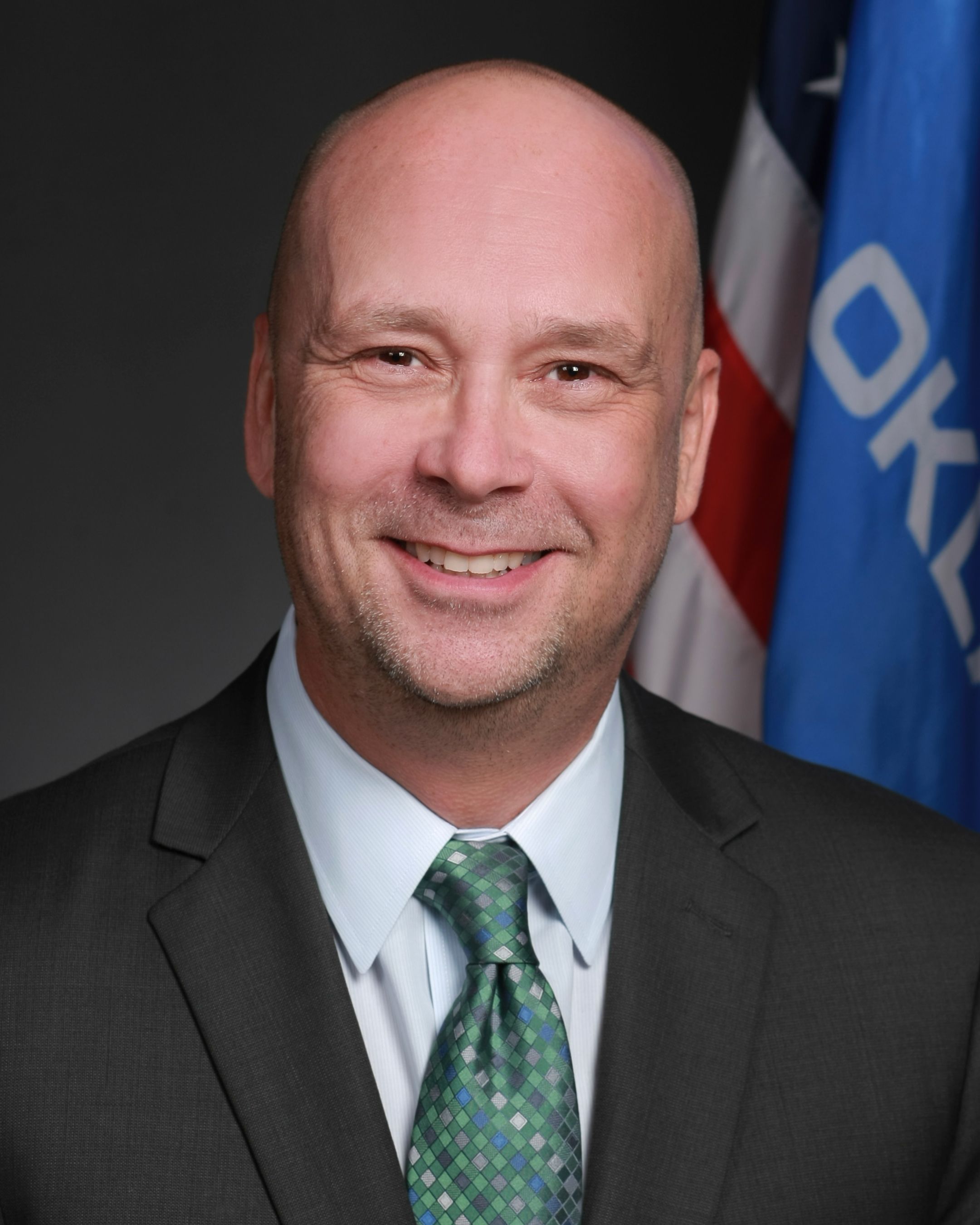
Sponsors

Ask Maddy
·
AI policy assistant
Ask Maddy about SB 652
Scope: OK
Hi! I can help you understand SB 652. What would you like to know?
Try one of these
i
Maddy answers using official bill text and legislative records. Always verify before sharing.
Sources cited inline