

Motor vehicles; maximum fees and charges; Corporation Commission duties; fees and charges; rates; storage; data; effective date.
HB 1753 modifies the regulations for motor vehicle wrecker and towing services in Oklahoma. It updates the process for establishing maximum fees and charges for nonconsensual towing and vehicle storage, assigning this responsibility to the Corporation Commission. The bill prohibits wrecker and towing services from charging fees that exceed these maximum rates for services performed at the request of law enforcement or government entities. It also details the Department of Public Safety's role in licensing and overseeing these services, including rules for maintaining rotation logs for government-requested tows.
Bill status
passed
3 of 5 stages cleared
Introduction
Feb 2025
Committee Review
Apr 2025
House Passage
Mar 2025
Senate Passage
Governor
Introduced Feb 3, 2025
Last action Apr 23, 2025
Maddy AI version diff · 5 comparisons
What changed between versions
Floor (House)
→
Floor (Senate)
·
4 edits
MODERATE
The bill was transitioned from the House version to the Senate floor version, with the primary substantive change being the addition of specific maximum fee schedules for nonconsensual towing services. The Senate version introduces detailed distance-based rates based on vehicle weight, replacing or supplementing the House version's more general fee authority.
Scope change
The bill's scope now explicitly defines maximum fees for nonconsensual towing based on vehicle weight categories and distance traveled, providing clearer financial limits for towing companies.
REQUIREMENT
Added specific maximum distance rates for nonconsensual tows based on vehicle weight (e.g., $3.00 per mile for vehicles 8,000 lbs or less up to 25 miles).
Modified the fee structure to include detailed weight classifications (single vehicle 8,000 lbs or less, 8,001 to 12,000 lbs) that determine applicable rates.
TECHNICAL
Added provisions for calculating distances using official state highway maps and allowing for alternative routes when shortest routes are impractical due to roadway conditions.
Modified distance calculation rules to specify how fractions of a mile should be handled (rounded up to the next whole mile) and how turnpike/toll road fees should be billed.
Floor votes
How they voted
This bill passed the House by voice vote (no roll call recorded).
Full legislative history
Actions timeline
Total actions
20
Key actions
6
Committee
5
Amendments
2
Apr 21, 2025
Upper · Passed
Reported Do Pass as amended Aeronautics and Transportation committee; CR filed
upper
Mar 31, 2025
Introduced
First Reading
upper
Mar 31, 2025
Lower · Passed
Engrossed, signed, to Senate
lower
Mar 27, 2025
Committee
Referred for engrossment
lower
Mar 27, 2025
Lower · Passed
Third Reading, Measure passed: Ayes: 67 Nays: 21
lower
Mar 27, 2025
Lower · Passed
Amended
lower
Mar 27, 2025
Introduced
Amended by floor substitute
lower
Mar 6, 2025
Lower · Passed
CR; Do Pass, amended by committee substitute Judiciary and Public Safety Oversight Committee
lower
Feb 25, 2025
Lower · Passed
Policy recommendation to the Judiciary and Public Safety Oversight committee; Do Pass, amended by committee substitute Public Safety
lower
Feb 4, 2025
Committee
Referred to Public Safety
lower
Feb 3, 2025
Introduced
First Reading
lower
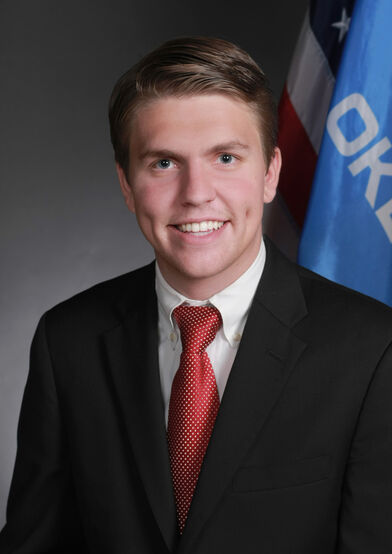
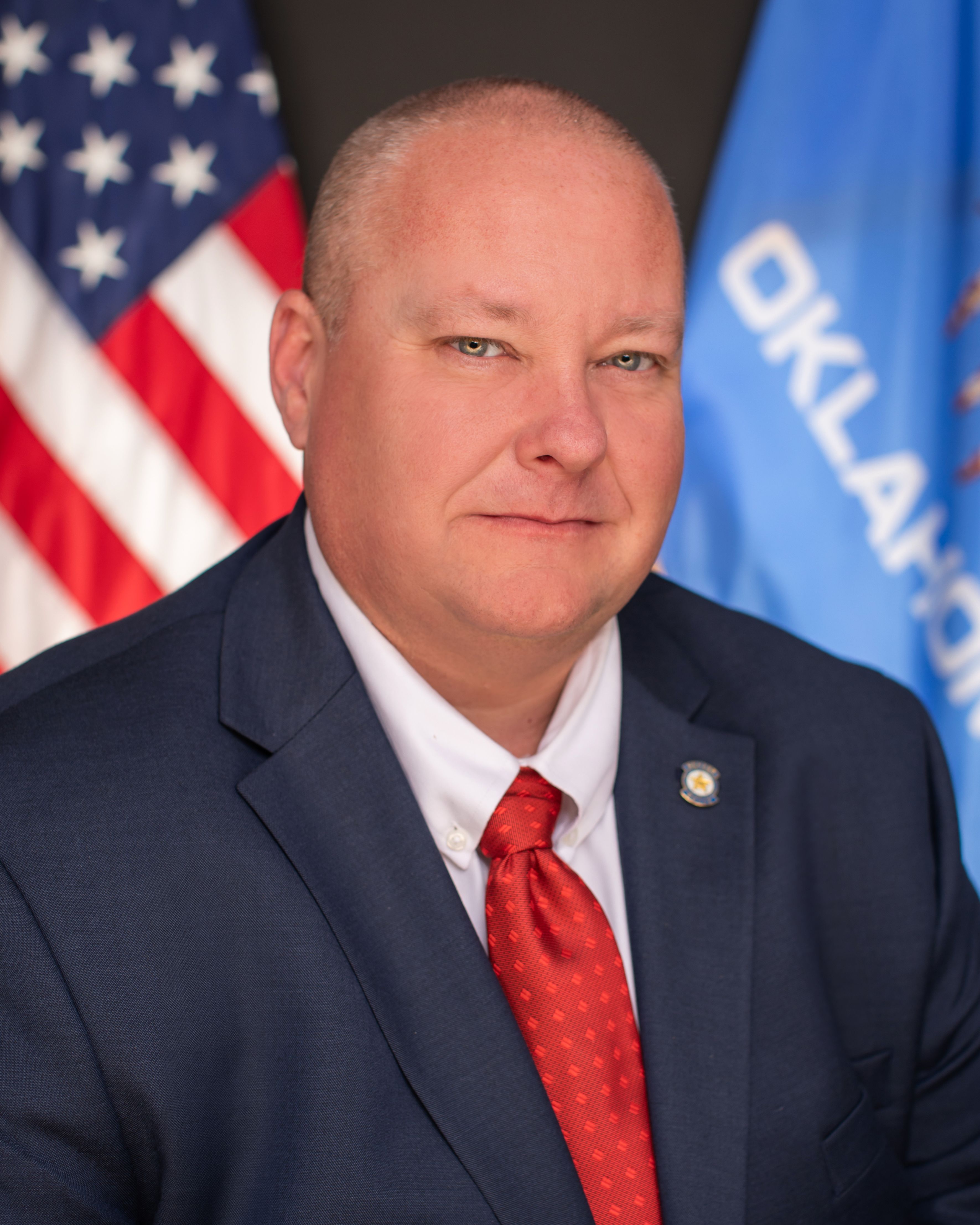
2 primary · 0 co-sponsors
Sponsors
Ask Maddy
·
AI policy assistant
Ask Maddy about HB 1753
Scope: OK
Hi! I can help you understand HB 1753. What would you like to know?
Try one of these
i
Maddy answers using official bill text and legislative records. Always verify before sharing.
Sources cited inline