

Create the Data Center Study Commission
HB 646 creates the Data Center Study Commission to examine the impacts of data centers within the state. The commission, composed of 13 appointed members (including from the Governor and legislative leaders), will study environmental effects, electrical grid strain, water usage, economic impacts, and other factors through public meetings. It must submit a report to state leaders within six months, after which the commission will dissolve. This bill does not change current regulations but establishes a process for gathering data to inform future decisions about data center development.
Bill status
passed both
4 of 5 stages cleared
Introduction
Jan 2026
Committee Review
Jun 2026
House Passage
Mar 2026
Senate Passage
Jun 2026
Governor
Introduced Jan 14, 2026
Last action Jun 10, 2026
Maddy AI version diff · 1 comparison
What changed between versions
As Introduced
→
As Passed by the House
·
5 edits
·
Mar 18, 2026
MODERATE
The bill was amended to expand the Data Center Study Commission by adding new members representing agriculture, rural utilities, townships, and both political parties in the House and Senate. The commission's mandate was updated to include water usage and wastewater discharge, and the final report must now include nonbinding best practices for local decision-making. Additionally, commission members will no longer receive compensation for their service.
Scope change
The bill's scope expanded to include a broader range of stakeholders (agriculture, rural utilities, townships, and political parties) and new environmental factors (wastewater discharge) in the study.
ELIGIBILITY
Added five new commission members representing agriculture, rural electric cooperatives, townships, and both majority and minority parties in the House and Senate.
REQUIREMENT
Changed commission member compensation from $250 per meeting to no compensation.
Updated the report requirements to include nonbinding best practices and considerations for local decision-making bodies.
Added wastewater discharge to the list of environmental factors the commission must examine.
Changed the meeting schedule authority from the Governor to the Co-chairpersons.
Floor votes · House Mar 18, 2026
How they voted
This bill passed the Senate by voice vote (no roll call recorded).
Full legislative history
Actions timeline
Total actions
10
Key actions
2
Committee
4
Jun 10, 2026
Committee
Recommitted
upper
Jun 10, 2026
Upper · Passed
Informally passed
upper
Jun 2, 2026
Committee
Re-referred
upper
Mar 25, 2026
Committee
Referred to committee
upper
Mar 19, 2026
Introduced
Introduced
upper
Mar 18, 2026
Lower · Passed
Passed - Amended
lower
Feb 4, 2026
Committee
Referred to committee
lower
Jan 14, 2026
Introduced
Introduced
lower
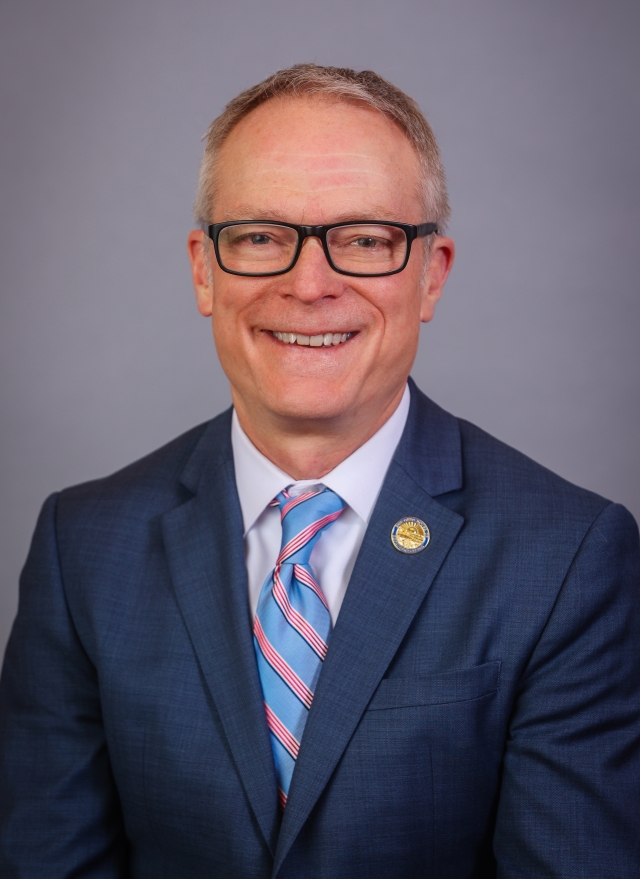
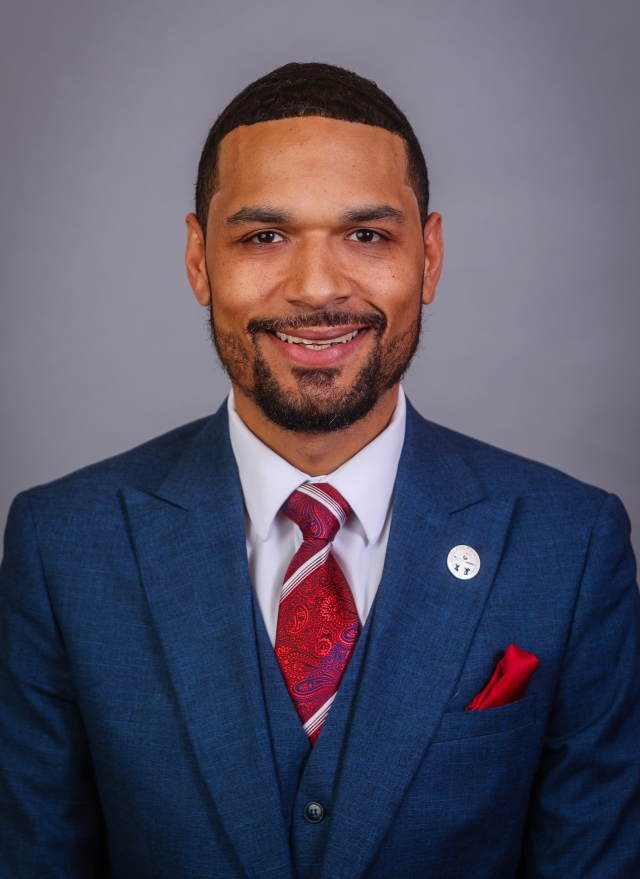
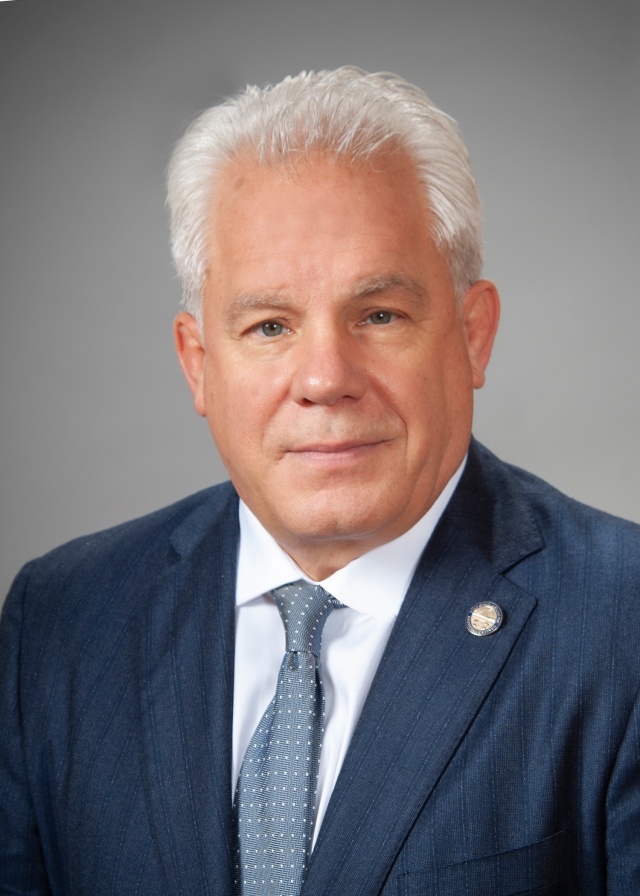
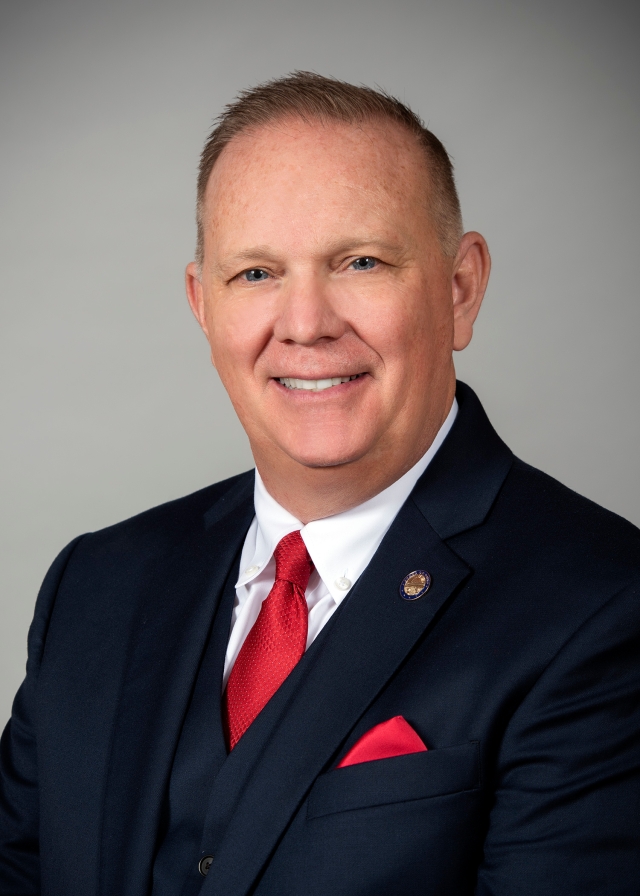
2 primary · 21 co-sponsors
Sponsors
Role
Legislator
Party
State
District
P

Gary Click
RRepublican
P

Kellie Deeter
RRepublican
Co
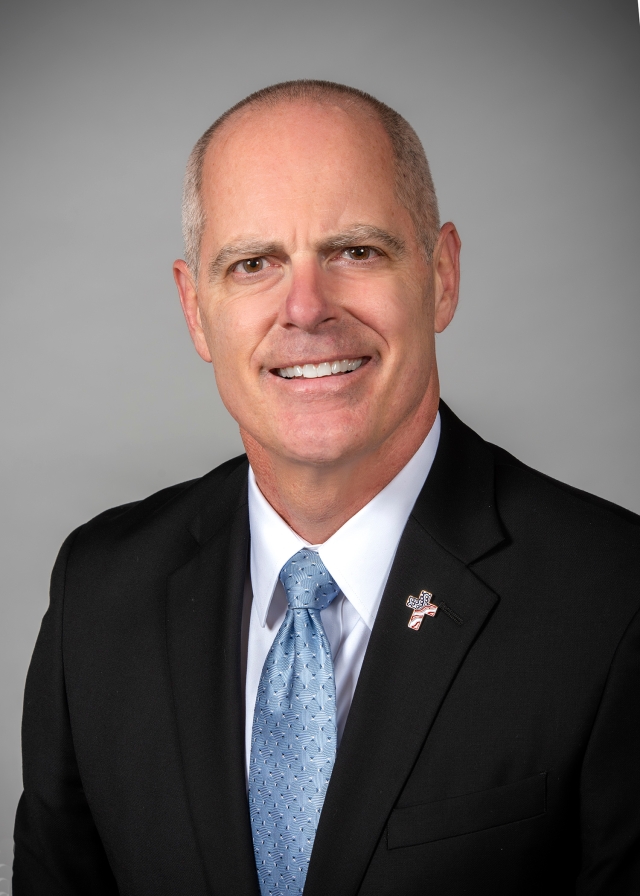
Adam Bird
RRepublican
Co
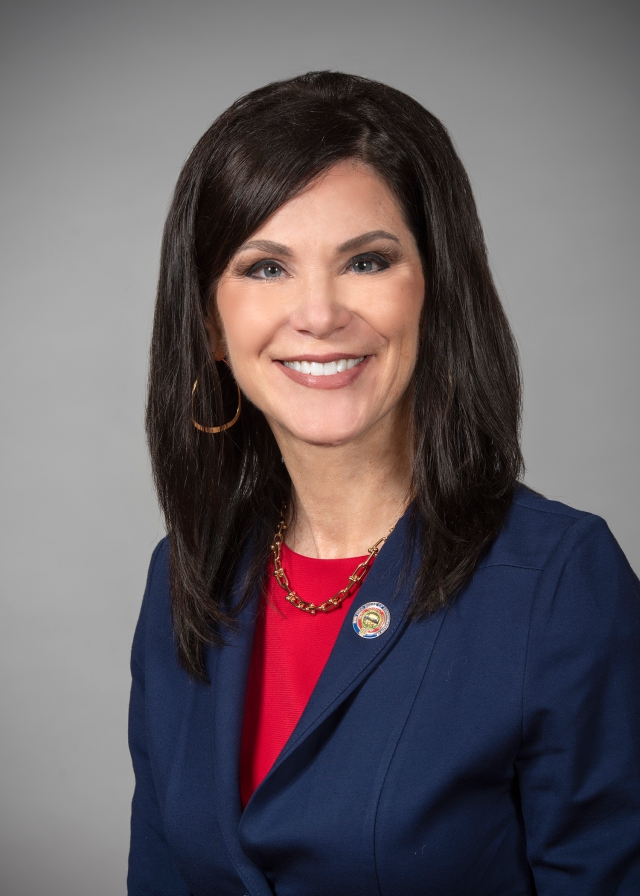
Angie King
RRepublican
Co
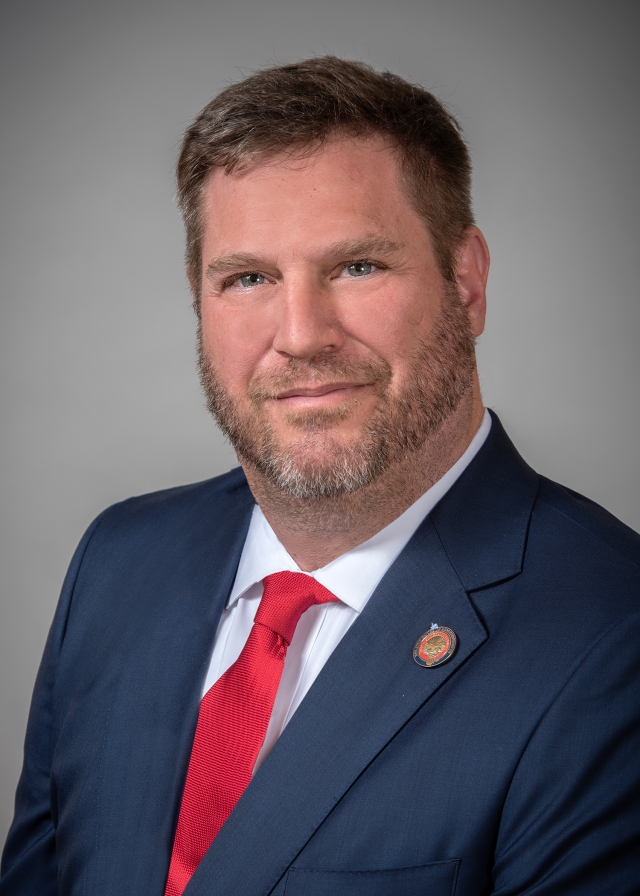
Brian Lorenz
RRepublican
Co

Brian Stewart
RRepublican
Co

David Thomas
RRepublican
Co

Gayle Manning
RRepublican
Co
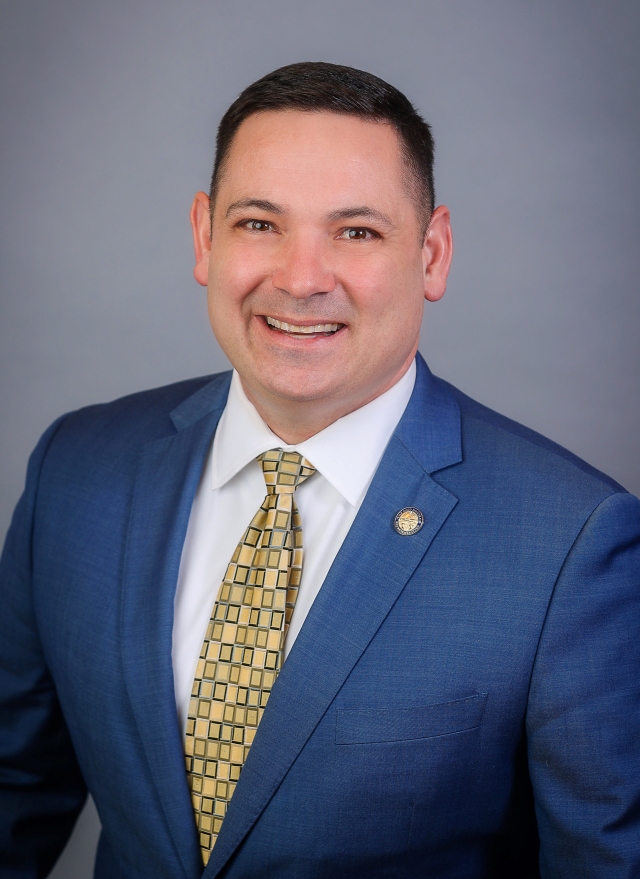
Haraz Ghanbari
RRepublican
Co

Heidi Workman
RRepublican
Co
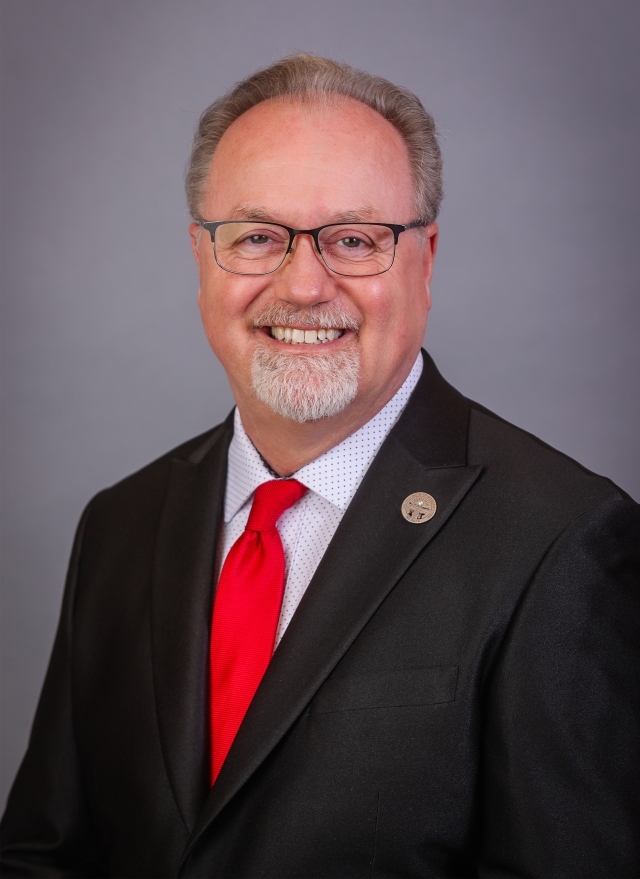
Jack Daniels
RRepublican
Co
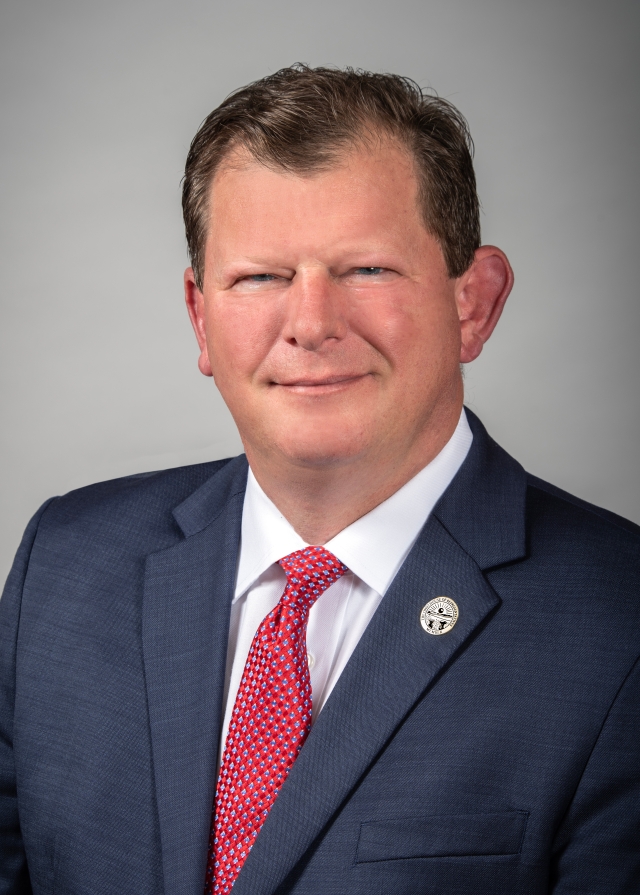
Jason Stephens
RRepublican





Ask Maddy
·
AI policy assistant
Ask Maddy about HB 646
Scope: OH
Hi! I can help you understand HB 646. What would you like to know?
Try one of these
i
Maddy answers using official bill text and legislative records. Always verify before sharing.
Sources cited inline