Maddy summaryHB 328 bans delta-8, delta-9, and other hemp-derived consumables (including CBD products and vapor devices) on all North Carolina public school grounds, buildings, and school-sponsored events. It requires schools to adopt written policies prohibiting these products, including posting signs, notifying students/parents, and enforcing the ban, with definitions explicitly covering "delta-8," "delta-9," and vaping products. The policy applies to all students, staff, and visitors, though it allows hemp/tobacco use in supervised instructional or research settings without ingestion. The bill takes effect for the 2025-2026 school year and aligns with existing tobacco product restrictions.

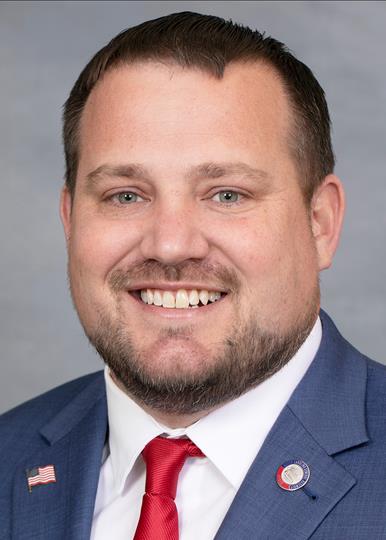
Rep. Ben Moss
Sponsored bills
Maddy summaryHB 133, the NC Farmland and Military Protection Act, bans U.S.-designated adversarial foreign governments from buying, leasing, or holding interests in agricultural land or land within 75 miles of major military installations like Fort Bragg and Camp Lejeune. It directly affects foreign governments identified by the U.S. State Department as adversaries under arms regulations, preventing them from acquiring land critical to food production or near military sites. The law excludes agricultural research leases under 250 acres and makes any violating land transfer legally void. This focuses on restricting foreign control of strategic land without altering existing domestic land transactions.
Maddy summaryHB 747 updates North Carolina's wildlife laws with three key changes. It requires the Wildlife Resources Commission to keep personal information (like addresses and email) and details about rare species habitats confidential to prevent harm or theft. The bill also creates two new license plates - “Wildlife Resources” (requiring 300+ applications before development) and “Lifetime Conservationist” - with sales revenue funding conservation accounts. Additionally, it shortens the out-of-state boat number reciprocity period from 90 to 60 days and adds safety rules for personal watercraft, including mandatory Coast Guard-approved life jackets and restrictions on close following. These changes affect the Commission, vehicle owners, and boaters, effective October 1, 2025.
Maddy summaryHB 56 (incorrectly titled "UNC Enrollment" in the query; actual focus is school transparency) requires North Carolina local school boards to publicly post detailed compensation and position information for central office staff on their websites by August 15, 2025. It mandates publishing total compensation (salary, bonuses, travel reimbursements), position titles, department assignments, and creation dates for each role. The law applies directly to all central office employees, including administrators, finance staff, and third-party contractors working at school districts. This transparency measure aims to make school district spending and staffing more visible to the public, with records updated annually. The bill does not affect student enrollment or university operations (UNC system).
Maddy summaryHB 1200, known as the Tax-Free Family Essentials Act, removes the state sales tax on specific items including diapers, baby wipes, over-the-counter children's medication, prenatal vitamins, and feminine hygiene products. The bill directly affects families purchasing these goods by exempting them from the tax, while also clarifying the legal definitions of these items to ensure consistent application. These tax exemptions will take effect on October 1, 2026, and apply to all sales occurring on or after that date.
Maddy summaryHB 198 requires alcohol law enforcement officers to notify the permit holder (not just the employee) within five business days when a violation occurs on a licensed establishment's premises. This applies to both citations issued to employees and reports from other law enforcement agencies about violations of alcohol or related laws. The notice must be sent via email or certified mail and must identify the specific violation and the involved employee. The bill directly affects bars, restaurants, and other businesses holding alcohol permits in North Carolina by mandating clearer, faster communication about violations. It does not change enforcement powers but standardizes how permit holders receive violation notices.
Maddy summaryHB 171 prohibits North Carolina state agencies from implementing diversity, equity, and inclusion (DEI) programs, including in hiring, employment practices, or training. It defines DEI broadly as any initiative influencing hiring or benefits based on protected characteristics (like race or gender) beyond merit-based processes. The bill mandates state auditor compliance audits, imposes civil penalties up to $5,000 per violation, and allows employees to file lawsuits after submitting a grievance to their agency. It explicitly excludes compliance with existing anti-discrimination laws (such as Title IX and the ADA) and protects First Amendment rights.
Maddy summaryHB 565 ("Check Yes, Save Lives") allows North Carolina taxpayers to register as organ donors by checking a box on their state income tax return, starting with tax returns for 2026 and later. This directly affects all North Carolina taxpayers who file income tax returns, providing a simple, automatic way to enroll in the organ donation program during annual tax filing. The bill amends tax and organ donation statutes to add income tax return enrollment as a valid method for making an anatomical gift (under Section 130A-412.7(1a)), while keeping existing options like driver's license or wills. It requires coordination between the Department of Revenue and Motor Vehicles to update the Organ Donor Registry, ensuring the tax-based enrollment is properly recorded. The policy change streamlines donor registration without altering the existing organ donation process or eligibility.
Maddy summaryThis bill expands tuition waivers at North Carolina community colleges to children of public safety workers who are injured or disabled in the line of duty. It allows children aged 17 to 24 of law enforcement officers, experienced correctional officers, and firefighters to attend classes for free if their parent is permanently and totally disabled due to a traumatic work-related injury. The waiver covers the cost of tuition for the time needed to complete the student's chosen educational program, provided they meet standard admission requirements. The law takes effect with the 2026-2027 academic year.
Maddy summaryThis North Carolina bill requires all private employers with 25 or more employees to use the federal E-Verify system to check the work authorization of every new hire. It mandates that state and local government agencies also comply with these verification rules and allows employers to avoid penalties if they can prove they acted in good faith and did not knowingly accept fraudulent documents. The legislation establishes a 30-day grace period for employers to fix minor compliance errors and increases fines for repeat offenders while protecting workers who report suspected violations from retaliation. Additionally, it grants the state labor commissioner the authority to conduct random or risk-based audits of employers and provides funding to support enforcement efforts.