Maddy summaryThis House Resolution honors the life and memory of James Michael "Mike" Clampitt, a former member of the North Carolina House of Representatives from District 119. The bill formally recognizes his extensive background in public service, which included decades as a firefighter and deputy sheriff in North Carolina before his election to the state legislature. It expresses the House's appreciation for his legislative work and extends condolences to his family, with a copy of the resolution sent to them.

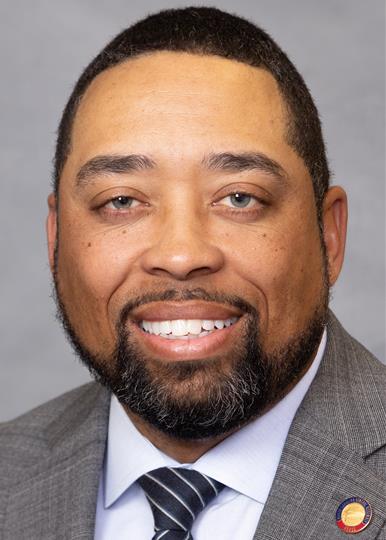
Rep. Ray Jeffers
Sponsored bills
Maddy summaryThis House Resolution honors the Carolina Hurricanes hockey team for winning the 2026 Stanley Cup and recognizes their contributions to the state of North Carolina. The bill formally acknowledges the team's historic season, including their record-breaking regular performance and playoff victory, while also praising the owner, management, and coaching staff for their leadership. It directs the Principal Clerk to send a certified copy of the resolution to the team, its owner Tom Dundon, and head coach Rod Brind'Amour. This measure serves as a commemorative gesture rather than establishing new laws or funding.
Maddy summaryHB 258, the Utility Worker Protection Act, increases penalties for assaulting utility and communications workers by designating such assaults as Class A1 misdemeanors - the highest misdemeanor level - when the worker is visibly identifiable (e.g., wearing company-logoed uniforms) and performing duties. It directly affects workers providing electricity, gas, telecommunications, or internet services, including those employed by public, private, or cooperative entities. The bill adds specific language to North Carolina’s assault statute, requiring prosecutors to apply this enhanced penalty for assaults meeting these criteria, without needing other legal provisions. The law takes effect December 1, 2025, applying to offenses committed on or after that date.
Maddy summaryThis bill, known as the Mike Clampitt 1st Responder Tax Fairness Act, aims to expand tax exemptions for volunteer fire departments and rescue squads in North Carolina. Specifically, it allows these independent groups, which have two or fewer paid employees and are already exempt from state income tax, to avoid paying a highway use tax on specific emergency vehicles like fire trucks, forest firefighting units, and other emergency service vehicles. The change applies to vehicles when a certificate of title is issued on or after July 1, 2026, ensuring these organizations can acquire necessary equipment without incurring this particular tax. By broadening the existing exemption, the legislation directly benefits volunteer responders who operate outside of local government units.
Maddy summaryThis North Carolina bill allows taxpayers to deduct up to $5,000 of unreimbursed costs for prescribed medications and pharmacy fees from their state income tax. The deduction applies to expenses not covered by tax-advantaged accounts like Flexible Spending or Health Savings Accounts and prevents double-dipping if a federal deduction is already claimed for the same year. Effective for tax years starting on or after January 1, 2026, the measure directly affects individuals paying out-of-pocket for prescription drugs who itemize their state taxes.
Maddy summaryHB 1141 allocates over one billion dollars in state funding to adjust Medicaid payments for North Carolina starting in 2025, ensuring the program can cover rising costs and new services. The bill also permits Medicaid managed care plans to create exclusive networks of providers specifically for research-based behavioral health treatments, while requiring all other essential services to remain available to all providers in the area. Additionally, the legislation removes specific rules that could cause people enrolled in Medicaid expansion to lose their coverage, thereby stabilizing access to care for this population.
Maddy summaryHB 1133 aims to support Historically Black Colleges and Universities (HBCUs) and other minority-serving institutions in North Carolina through three main actions. First, it establishes a temporary committee to study the physical condition of HBCU buildings, including safety risks, age, and maintenance needs, with a report due in early 2027. Second, it creates a permanent financial aid program for students at specific UNC constituent institutions, providing up to $1,000 per year to help cover costs for those who need financial assistance to graduate on time. Third, the bill allocates nonrecurring funds in the 2026-2027 fiscal year for specific infrastructure repairs and renovations at Winston-Salem State University.
Maddy summaryHB 1146 establishes the 2026 Governor's Budget for North Carolina by allocating specific funding amounts to state departments, institutions, and agencies for the 2025-2027 fiscal biennium. The bill directly affects public education, health and human services, agriculture, justice, and general government entities by setting their operational budgets for the upcoming fiscal year. Key provisions include detailed dollar amounts for various programs, such as funding for public instruction, university operations, and health services, while also allowing for savings to revert to the state fund if not fully utilized. This legislation provides the financial framework necessary for state agencies to carry out their mandated duties and services during the specified period.
Maddy summaryHB 1138, known as the Aging With Dignity Act, aims to improve long-term care for older North Carolinians by prioritizing home-based services over institutional care for Medicaid beneficiaries aged 55 and older. The bill mandates that institutional placement be the exception rather than the rule, requiring documented medical justification and regular reassessments to ensure individuals remain in the most integrated setting possible. It also establishes a requirement for periodic medication reviews to prevent adverse drug interactions and reduce hospitalizations, while integrating behavioral health services into geriatric care plans. Additionally, the legislation appropriates funds for strategic investments in the state's aging infrastructure and reestablishes a study commission to address the needs of the growing senior population.
Maddy summaryThis bill directs North Carolina state agencies to stop using the current development tier system for various programs by July 1, 2028, and instead create their own specific criteria based on objective data. It applies to multiple departments, including those responsible for agriculture, transportation, health, and education, which must report their proposed replacement plans to relevant oversight committees by February 1, 2027. The legislation provides $1.1 million in funding to assist agencies in developing these new standards and includes a temporary clause preventing the downgrading of certain economic areas for the next three years. Ultimately, the bill aims to replace the existing tier designations with tailored measures that better align program goals with measurable outcomes.