

Maddy summaryThis House resolution expresses the view that the United States should prioritize a "Mom Economy" by investing in social safety net programs to support mothers in the workforce. It calls for specific policy changes, including expanding paid family and medical leave, increasing funding for universal childcare and early learning, and raising the federal minimum wage with annual inflation adjustments. The bill also recommends strengthening nutrition assistance through SNAP and school meals, making the child tax credit permanent, and addressing maternal health and mortality crises. Additionally, it urges the passage of legislation to protect LGBTQ+ workers in the workplace and reduce wage discrimination, while emphasizing the need for policymakers to consider the unique economic challenges faced by working mothers.
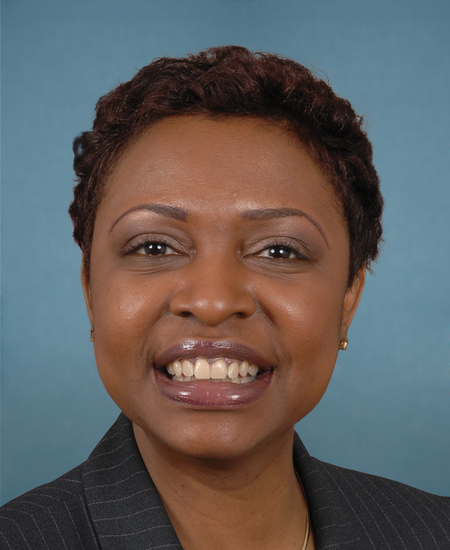
Rep. Yvette D. Clarke
Sponsored bills
Maddy summaryThis House resolution formally supports the recognition of September 27, 2026, through October 3, 2026, as "Asian American and Native American Pacific Islander-Serving Institutions Week." The bill marks the 19th anniversary of Congress first authorizing funding for these specific colleges and universities in 2007. It highlights that these institutions enroll a significant majority of Asian American, Native Hawaiian, and Pacific Islander undergraduate students, many of whom are from low-income or first-generation college families. The resolution encourages these schools to continue securing resources and calls on the public to observe the week with events that demonstrate support for their educational mission.
Maddy summaryThis House resolution expresses support for designating September 22, 2026, as "National Hispanic Nurses Day" to honor the contributions of Hispanic nurses to the U.S. healthcare system. It specifically recognizes the National Association of Hispanic Nurses as the leading organization representing and advocating for this group of professionals. The bill encourages the public to observe the day with ceremonies and activities that highlight the role of these nurses in reducing health disparities and providing culturally competent care.
Maddy summaryThe American Renewable Energy Act of 2026 establishes a federal renewable electricity standard that requires large electric utilities to source an increasing percentage of their power from renewable sources, starting at 20% in 2027 and rising to 70% by 2036. To meet these targets, utilities must acquire Federal renewable electricity credits for each megawatt-hour of clean energy they purchase or generate, with specific quotas ensuring that a growing share of this energy comes from distributed generation projects and communities facing environmental or economic hardships. The bill creates a national credit trading market administered by the Federal Energy Regulatory Commission, allowing utilities to buy, sell, or bank these credits, while also permitting them to pay an alternative compliance fee if they cannot meet their obligations. Funds generated from these fees are directed to states for renewable energy deployment and efficiency programs, with a requirement that at least half of the money benefits impacted communities.
Maddy summaryThis House resolution expresses support for recognizing Nigerian Heritage Month to celebrate the history, culture, and contributions of Nigerians and Nigerian Americans in the United States. It highlights the strong bilateral relationship between the two nations and notes that Nigerian Americans are a highly educated immigrant group making significant impacts in fields such as medicine, technology, and business. The bill encourages federal, state, and local governments, along with educational institutions, to observe this month through programs and ceremonies that highlight Nigerian heritage.
Maddy summaryThe Glaucoma Vision Act of 2026 mandates that private health insurance plans, Medicare, Medicaid, and Federal Employees Health Benefits programs cover annual glaucoma screenings for specific high-risk individuals starting in 2027. These covered individuals include adults aged 40 or older with African, Hispanic/Latino, or Asian ancestry, those with clinical risk factors such as diabetes or family history, and all adults aged 60 or older. The bill also directs the Centers for Disease Control and Prevention to award $10 million in grants over two years to provide free or low-cost screenings and treatment to uninsured high-risk populations, with priority given to underserved communities. Additionally, it authorizes $10 million for research into glaucoma treatments, including optic nerve regeneration and gene therapies.