Authorizes the city of New York to sell certain lands now or formerly under the waters of Whale Creek otherwise known as Wyckoff Creek, and formerly a tributary of Newtown Creek.

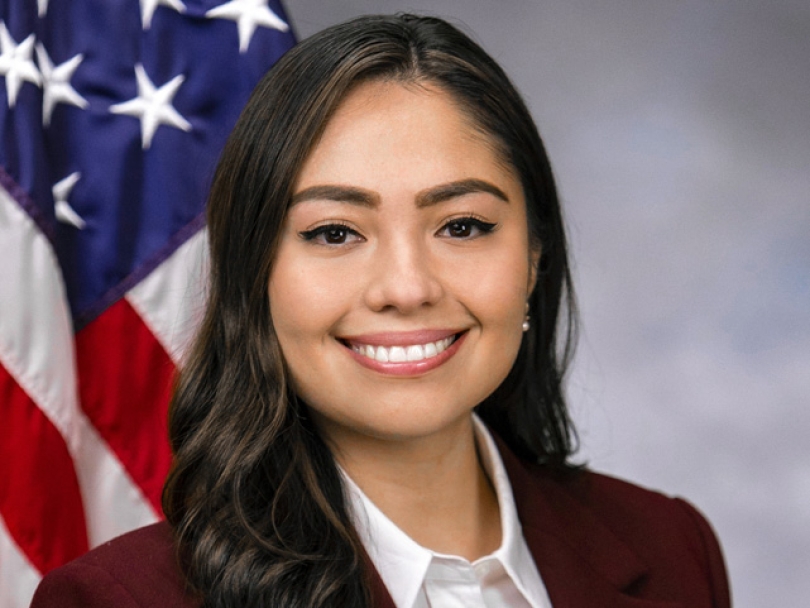
Sen. Kristen Gonzalez
Sponsored bills
Maddy summaryThis bill amends the New York General Business Law to prohibit any individual or organization from intentionally destroying rare books for commercial purposes. The law defines a "rare book" as one published before 1970 or produced in a print run of fewer than two hundred copies, and specifies that destruction means irreversibly removing pages or otherwise rendering the book unusable by a human reader. Violators face escalating civil penalties ranging from five hundred dollars for a first offense to five thousand dollars plus an injunction for third or subsequent offenses, with additional fines up to the market value of the damaged book. The New York Attorney General is authorized to bring civil actions against violators, including online retailers, and any recovered penalties accrue to the state.
Maddy summaryThis bill amends New York's general business law to hold chatbot operators liable if their artificial intelligence systems impersonate licensed professionals, such as teachers or attorneys. The legislation defines a "covered profession" based on specific state education and judiciary laws, prohibiting operators from allowing their bots to act in ways that would be illegal for a human practitioner. Operators are required to provide clear, conspicuous notice that users are interacting with an AI system, and they cannot waive liability simply by disclosing the bot's non-human status. The attorney general is empowered to enforce these rules through civil penalties of up to fifteen thousand dollars per day and must maintain a website for public complaints regarding violations.
Directs the department to repeal subpart 24-2 of part 24 of title 10 of the New York Codes, Rules and Regulations in its entirety and promulgate new rules and regulations governing the licensing and operation of certain commercial establishments.
Provides that each school district, charter school, and board of cooperative educational services shall adopt and implement a written policy governing the use of humanoid robots in schools and that such policy shall prohibit the use of an artificial intelligence-enabled humanoid robot in an instructional capacity; defines terms.
Relates to utilization review program standards; requires use of evidence-based and peer reviewed clinical review criteria; relates to prescription drug formulary changes and pre-authorization for certain health care services.
Establishes participation in assigned risk plans for voluntary foster care agencies (Part A); requires the office of children and family services to establish standards of payment for liability insurance costs beginning July 1, 2028 for the 2027-2028 rate year that ensures the maximum state aid rate accurately reflect the year over year increased costs for voluntary foster care agencies; directs such office to establish an application process (Part B); establishes the voluntary foster care agency insurance bridge fund; establishes a process for the distribution of moneys in such fund; sets eligibility requirements; requires certain supporting documentation (Part C).
Requires Medicaid to cover gender-affirming care regardless of federal funding; prohibits discriminatory practices by health care entities including hospitals, certain professionals, and insurers; requires insurance coverage for services or treatments for gender dysphoria or gender incongruence.
Prohibits artificial intelligence companions from using features which are considered unsafe for minors; defines terms; specifies what are considered unsafe features.
Prohibits the use of electronic shelving labels, digital shelf display technology, and surveillance pricing in food retail establishments and drug retail establishments; provides injunctive relief and civil penalties.