Maddy summaryThis bill creates a pilot program in New York's capital district and surrounding areas to capture black carbon pollution and repurpose it for manufacturing advanced solar technologies. The initiative requires the state to partner with Indigenous Nations, giving them significant roles in decision-making, site selection, and ownership of projects. It includes funding for cleaning up contaminated sites, building local solar manufacturing facilities, and installing solar systems on various lands while prioritizing disadvantaged communities. A $50 million appropriation is provided to cover the costs of this program, which will be evaluated after five years to determine if it should be expanded statewide.

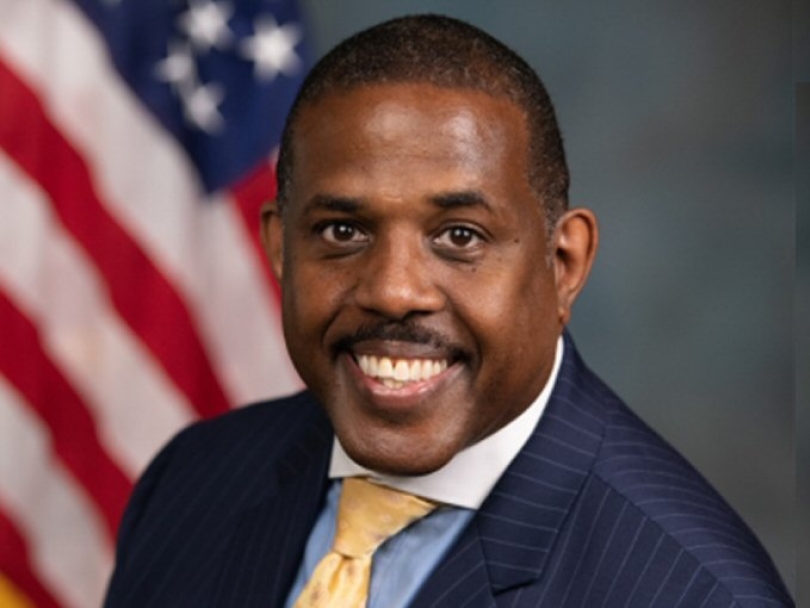
Sen. Kevin Parker
Sponsored bills
Establishes the indigenous clean biofuel innovation and resource partnership pilot program to develop and deploy low-carbon bio-blended fuels in alignment with the state's clean fuel standards.
Maddy summaryS 3990 would create a new class D felony offense for knowingly impersonating someone online (e.g., via social media, email, or other electronic means) with the intent to harm, intimidate, threaten, or defraud them. It defines "credible impersonation" as when others reasonably believe the impersonator is the real person. The law specifically targets malicious online impersonation, including accessing accounts or profiles under another's name, and applies to social media and email accounts. This bill directly affects individuals who commit such intentional online impersonation for harmful purposes.
Maddy summaryThis bill designates specific segments of state and county highways across multiple counties as the "Harriet Tubman Underground Railroad Byway." It details a continuous route from Auburn through Geneva, Buffalo, and Niagara Falls, including portions of routes 5, 20, 38, 14, 31, 78, and others. The bill requires transportation officials to install ceremonial signage identifying the byway but explicitly states this is non-binding - official highway names remain unchanged. The dedication is purely symbolic, with no alteration to road designations or traffic operations.
Maddy summaryThis bill mandates that the New York City Transit Authority must have at least one conductor on every subway or train, with limited exceptions for current operations. The law defines a conductor as the staff member responsible for safety tasks like opening and closing doors, distinguishing them from the driver or engineer. Proponents argue this requirement enhances passenger safety and provides a critical first responder presence to handle emergencies or potential security threats. The measure applies immediately to all passenger trains operated by the authority.
Establishes participation in assigned risk plans for voluntary foster care agencies (Part A); requires the office of children and family services to establish standards of payment for liability insurance costs beginning July 1, 2028 for the 2027-2028 rate year that ensures the maximum state aid rate accurately reflect the year over year increased costs for voluntary foster care agencies; directs such office to establish an application process (Part B); establishes the voluntary foster care agency insurance bridge fund; establishes a process for the distribution of moneys in such fund; sets eligibility requirements; requires certain supporting documentation (Part C).
Maddy summaryThe New York Emergency Responder Act limits civil liability for individuals and organizations providing emergency assistance during declared emergencies. It shields volunteers and contractors (including their employees) from lawsuits for injuries caused during response efforts - such as rescue, medical aid, or infrastructure repairs - unless the injury resulted from gross negligence, reckless conduct, or intentional misconduct. This protection applies to actions taken under the request of public officials or contracts with government entities (like cities, counties, or state agencies) for up to 60 days after an emergency ends. The law directly affects emergency responders by reducing legal risks during crisis situations, covering both voluntary aid and contracted services.
Maddy summaryThis bill, S 4647, increases the maximum financial penalties for certain speed violations. It directly affects drivers convicted of speeding offenses. Specifically, it raises the maximum fine for exceeding the speed limit by up to ten miles per hour from $150 to $175. For those exceeding the speed limit by more than thirty miles per hour, the maximum fine increases from $600 to $700, including for vehicles transporting hazardous materials or with certain safety defects. These changes are slated to take effect on January 1, 2026.
Enacts the empire state licensing act to provide all New Yorkers with access to professional, occupational, commercial, or business licenses, permits, certificates, or related registrations regardless of an applicant's citizenship or immigration status.
Maddy summaryS 5969 requires all substance use disorder treatment facilities to post a "treatment bill of rights" in visible locations and provide a copy to every patient at admission. This bill of rights outlines 10 specific patient rights, including the right to participate in treatment planning, receive clear explanations of services, maintain privacy, and report grievances. It directly affects patients receiving treatment and facility staff, who must also receive copies of the document. The law mandates these postings and distributions without altering existing treatment standards, focusing solely on transparency and patient awareness.