Authorizes the city of New York to sell certain lands now or formerly under the waters of Whale Creek otherwise known as Wyckoff Creek, and formerly a tributary of Newtown Creek.

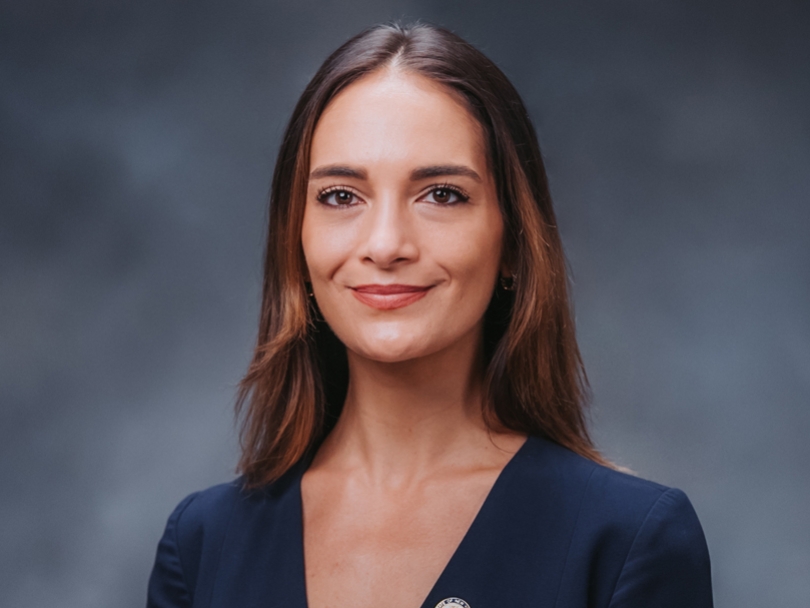
Sen. Julia Salazar
Sponsored bills
Directs the department to repeal subpart 24-2 of part 24 of title 10 of the New York Codes, Rules and Regulations in its entirety and promulgate new rules and regulations governing the licensing and operation of certain commercial establishments.
Provides that each school district, charter school, and board of cooperative educational services shall adopt and implement a written policy governing the use of humanoid robots in schools and that such policy shall prohibit the use of an artificial intelligence-enabled humanoid robot in an instructional capacity; defines terms.
Relates to adaptive aquatic safety services for individuals with disabilities; directs the commissioner of health to evaluate and seek approval for the inclusion of adaptive aquatic safety services as an available service component under applicable Medicaid home and community-based services authorities; relates to adaptive aquatic accessibility at state-funded public aquatic facilities; directs the commissioner of health to promulgate regulations requiring lifeguard certification and recertification courses to include instruction concerning aquatic safety for individuals with disabilities; authorizes school districts and boards of cooperative educational services to incorporate adaptive aquatic safety goals into individualized education programs where appropriate to address certain skills.
Requires public schools to follow seizure action plans developed by health care providers of students diagnosed with a seizure disorder; requires schools to provide seizure awareness training to certain employees on the recognition of signs and symptoms of a seizure and the appropriate steps to be taken to respond to such symptoms.
Establishes procedures to be followed when the body scan of an incarcerated individual, employee or visitor to a correctional facility displays alleged abnormalities; requires staff discipline for staff who have wrongfully denied visitation to a visitor or entry to an employee based on a body scan; requires the collection and reporting of certain information relating to visitation and entry denials based on body scans; requires such law to be posted in visitor processing areas of correctional facilities.
Establishes participation in assigned risk plans for voluntary foster care agencies (Part A); requires the office of children and family services to establish standards of payment for liability insurance costs beginning July 1, 2028 for the 2027-2028 rate year that ensures the maximum state aid rate accurately reflect the year over year increased costs for voluntary foster care agencies; directs such office to establish an application process (Part B); establishes the voluntary foster care agency insurance bridge fund; establishes a process for the distribution of moneys in such fund; sets eligibility requirements; requires certain supporting documentation (Part C).
Maddy summaryS 8902 amends New York's social services law to ensure that medical assistance recipients (such as Medicaid beneficiaries) cannot access school-based health center services through managed care programs until at least April 1, 2026. The bill adds a specific provision requiring these services to be provided outside of managed care arrangements during that period. This directly affects medical assistance recipients who use school-based health centers and the managed care organizations that coordinate their care. The law takes effect immediately, but the amendment expires when the underlying section of the law is repealed.
Prohibits artificial intelligence companions from using features which are considered unsafe for minors; defines terms; specifies what are considered unsafe features.
Maddy summaryThis bill requires chatbot operators to clearly disclose when users are interacting with an AI system, prohibits chatbots from impersonating licensed professionals (such as doctors or lawyers), and makes operators liable for damages if users suffer harm due to such impersonation. It directly affects businesses deploying chatbots that provide professional advice, mandating clear notices and banning deceptive practices like claiming to be a human expert. Violators face civil liability for actual damages, plus legal fees if the violation was intentional. The law would take effect 90 days after enactment.