Maddy summaryThis bill creates a public database listing community programs that support elderly individuals (60+) with dementia or Alzheimer's disease. The database, developed by the office and health department, will include program names, descriptions, contact information, and geographic service areas for successful programs meeting specific criteria. It must be updated annually and made available online. The bill directly affects seniors seeking care and the agencies providing these services.

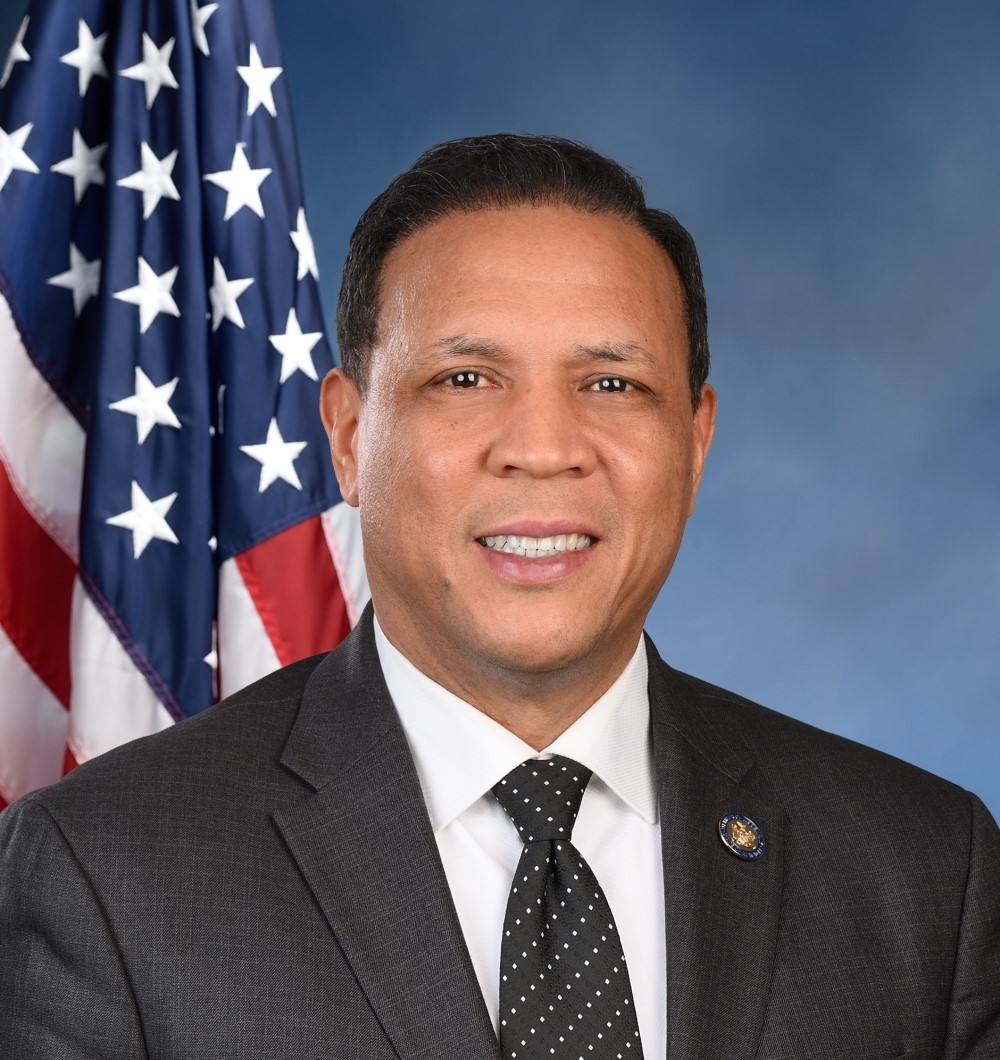
Rep. George Alvarez
Sponsored bills
Maddy summaryThis bill extends the Department of Environmental Conservation's authority to manage Atlantic Cod fisheries until December 31, 2029. The change updates existing legal language to ensure the department can continue overseeing fishing regulations for this species during the extended period. The legislation applies to the state's environmental management agencies and is effective immediately upon passage.
Enacts the "just energy transition act"; requires a study of competitive options to facilitate the phase-out, replacement and redevelopment of New York state's oldest and most-polluting fossil fueled generation facilities and their sites by the year 2030.
Enacts the "New York fundamental artificial intelligence requirements in (FAIR) news act"; provides transparency requirements for news media content composed, authored, or otherwise created through generative AI.
Requires the court to consider a child's health and safety when making a decision regarding child custody and visitation; directs the court to review certain information as it relates to allegations of child abuse, domestic violence and child safety.
Prohibits the use of surveillance pricing, directly or indirectly; prohibits the collection, use, retention, or sharing of data to facilitate surveillance pricing; provides exceptions; provides for enforcement by the attorney general; makes related provisions.
Maddy summaryThis bill creates a new legal framework for protective orders targeting severe stalking behavior, directly affecting victims (petitioners) and alleged stalkers (respondents). It establishes temporary and final "anti-stalking orders" that prohibit contact, surveillance, and remote control of connected devices (like smart home systems), requiring respondents to stay away from victims' homes, workplaces, or schools. The law defines "stalking" broadly to include offenses like harassment, assault, identity theft, and unauthorized sharing of intimate images, requiring a "course of conduct" (two or more acts within 90 days) to trigger the order. Courts must issue temporary orders the same day if an immediate threat exists, with final orders requiring a hearing to confirm evidence supports the petition.
Requires a pharmacy benefit manager to pay a participating pharmacy at minimum at the national average drug acquisition cost (NADAC) rate, or at the pharmacy acquisition cost rate if greater or there is not a NADAC rate, plus a professional dispensing fee that is at minimum the professional dispensing fee paid under the state medical assistance program.
Requires an operator of a covered platform with at least one million users to ensure that its covered platform provides a process to allow law enforcement agencies to contact such covered platform, which shall provide continuous availability of such process; provides that an operator of a covered platform with at least one million users shall comply with a search warrant within seventy-two hours of receipt under certain circumstances; provides that a court may extend the time for compliance with a search warrant under certain circumstances.
Relates to the definition of portable temporary shelters for the purposes of prohibitions on the manufacture or sale of products containing highly flammable materials.