

Enacts the ceasing repeated and extremely egregious predatory (CREEP) behavior act
This bill creates a new legal framework for protective orders targeting severe stalking behavior, directly affecting victims (petitioners) and alleged stalkers (respondents). It establishes temporary and final "anti-stalking orders" that prohibit contact, surveillance, and remote control of connected devices (like smart home systems), requiring respondents to stay away from victims' homes, workplaces, or schools. The law defines "stalking" broadly to include offenses like harassment, assault, identity theft, and unauthorized sharing of intimate images, requiring a "course of conduct" (two or more acts within 90 days) to trigger the order. Courts must issue temporary orders the same day if an immediate threat exists, with final orders requiring a hearing to confirm evidence supports the petition.
Bill status
in committee
1 of 4 stages cleared
Introduction
Jan 2025
Committee Review
Floor Vote
Governor
Introduced Jan 24, 2025
Last action Jun 4, 2026
Maddy AI version diff · 1 comparison
What changed between versions
A3226
→
A3226A
·
4 edits
MODERATE
The bill was amended to add the Judiciary Law and Executive Law to its scope, allowing for broader legal integration regarding anti-stalking orders. Key substantive changes include redefining 'stalking' to explicitly include menacing in the second degree and removing menacing in the first degree from the list, while adding a specific requirement that at least one act of a course of conduct must occur within the ninety days prior to filing. The bill also introduces new provisions for virtual proceedings and modifies the jurisdiction rules for where these special proceedings can be initiated.
Scope change
The bill's scope was expanded to include amendments to the Judiciary Law and Executive Law in addition to the Civil Practice Law and Rules, Penal Law, and Criminal Procedure Law.
DEFINITION
The definition of 'stalking' was updated to include menacing in the second degree and remove menacing in the first degree, while adding a requirement that at least one act must occur within the last ninety days.
REQUIREMENT
New provisions were added to allow for virtual proceedings in anti-stalking cases.
ELIGIBILITY
Jurisdiction rules were changed to allow proceedings in the county where acts occurred, where parties reside, or where a petitioner fled to avoid stalking.
SCOPE
The bill now explicitly includes amendments to the Judiciary Law and Executive Law.
Floor votes
How they voted
No floor votes recorded yet.
Full legislative history
Actions timeline
Total actions
10
Key actions
2
Committee
4
Amendments
2
Jun 4, 2026
Committee
REPORTED REFERRED TO RULES
lower
Jun 2, 2026
Committee
REFERENCE CHANGED TO WAYS AND MEANS
lower
Jan 7, 2026
Committee
REFERRED TO JUDICIARY
lower
Jun 10, 2025
Lower · Passed
PRINT NUMBER 3226A
lower
Jun 10, 2025
Lower · Passed
AMEND (T) AND RECOMMIT TO JUDICIARY
lower
Jan 24, 2025
Committee
REFERRED TO JUDICIARY
lower
1 primary · 63 co-sponsors
Sponsors
Role
Legislator
Party
State
District
P
JG
Jessica González-Rojas
DDemocratic/Working Families
Co

Al Stirpe
DDemocratic
Co
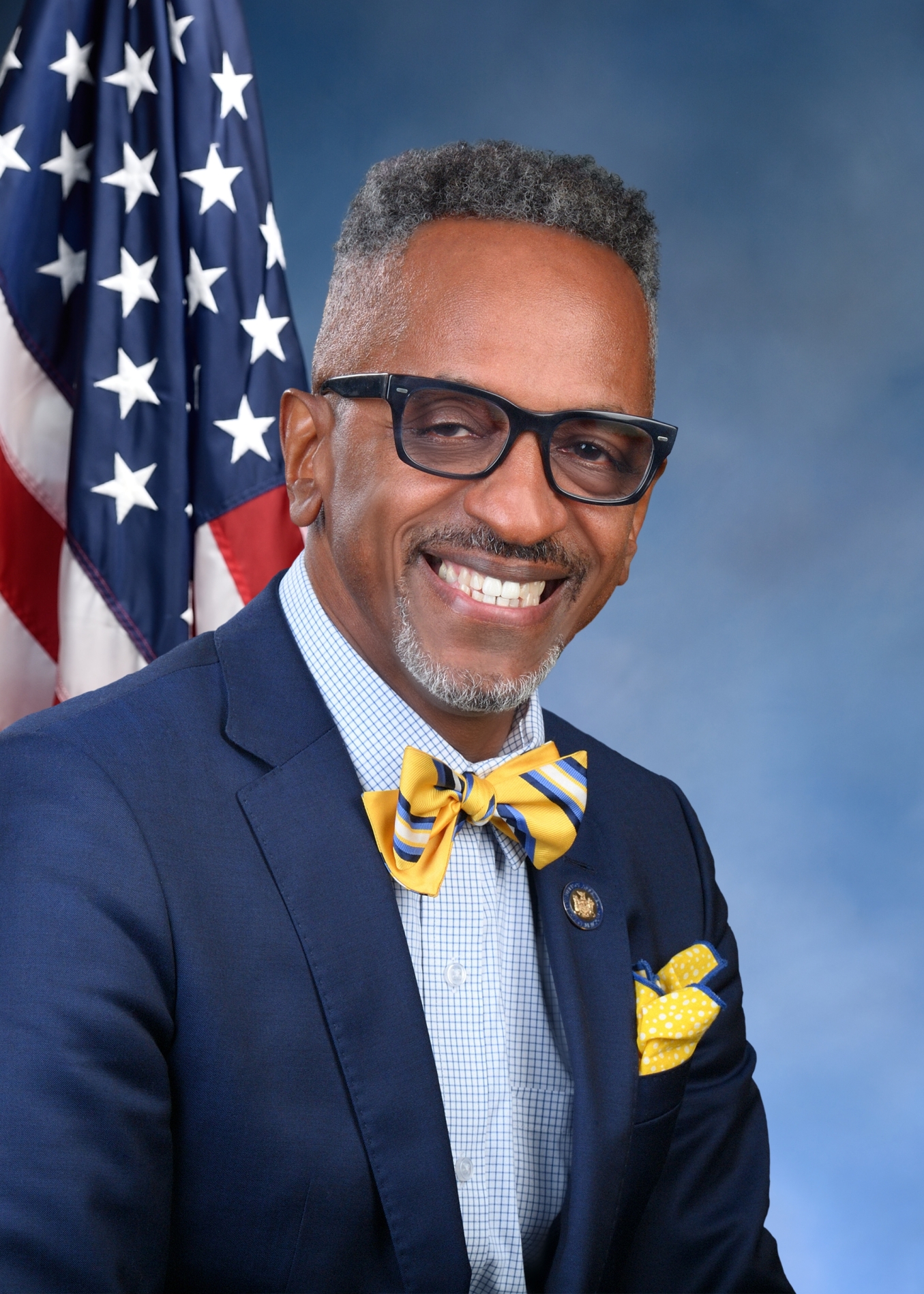
Al Taylor
DDemocratic
Co

Amy Paulin
DDemocratic
Co

Andrew Hevesi
DDemocratic
Co
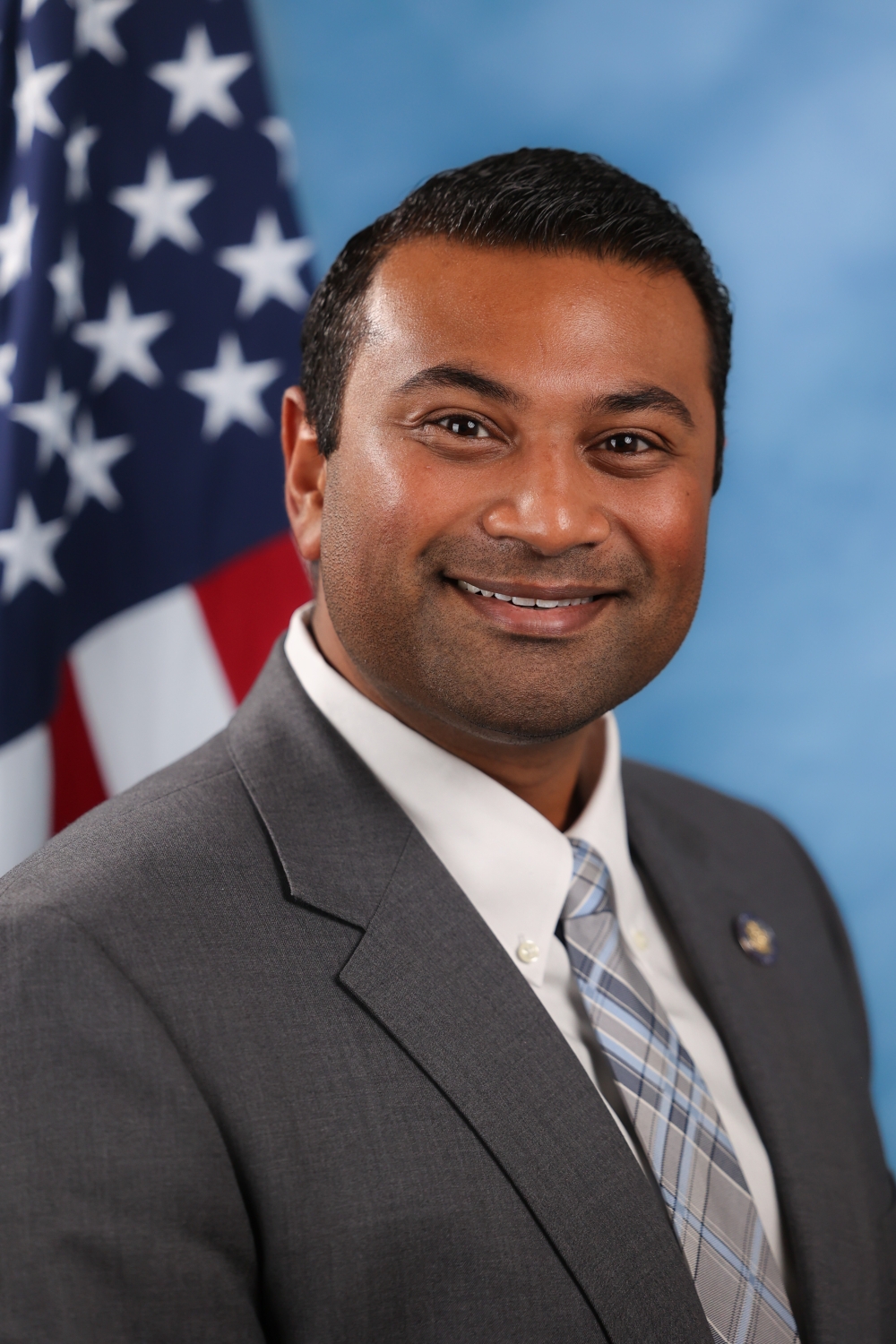
Anil Beephan
RRepublican/Conservative
Co

Anna Kelles
DDemocratic/Working Families
Co
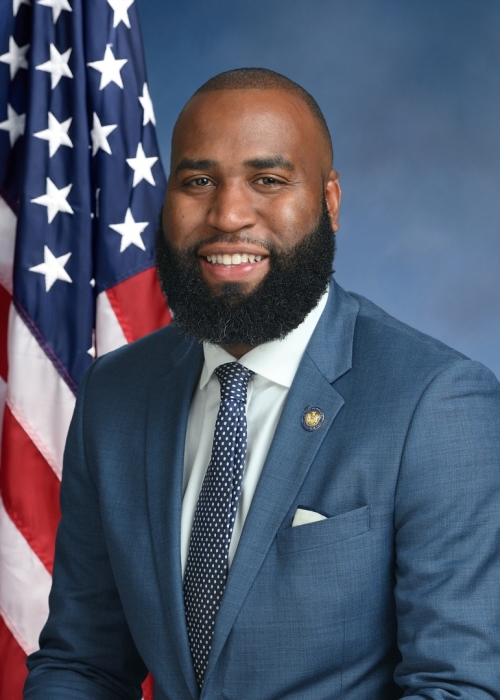
Brian Cunningham
DDemocratic
Co

Brian Miller
RRepublican
Co

Carrie Woerner
DDemocratic
Co
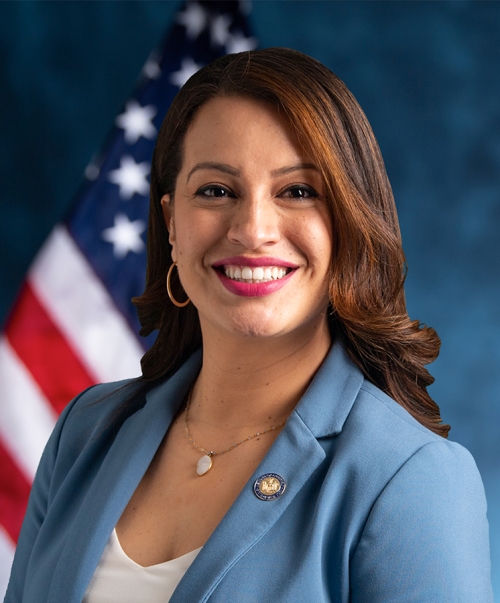
Catalina Cruz
DDemocratic






















Ask Maddy
·
AI policy assistant
Ask Maddy about A 3226
Scope: NY
Hi! I can help you understand A 3226. What would you like to know?
Try one of these
i
Maddy answers using official bill text and legislative records. Always verify before sharing.
Sources cited inline