

Reduces electric corporations' response time for securing downed wires
Summary
Requires each utility to take appropriate safety precautions regarding electrical hazards, including developing plans to promptly de-energize downed wires within two hours of notification of the location of such downed wires from a municipal emergency responder and promptly secure such wires within six hours in the case of events that are not considered emergencies.
Bill status
passed
3 of 5 stages cleared
Introduction
Apr 2026
Committee Review
Jun 2026
Assembly Passage
Jun 2026
Senate Passage
Governor
Introduced Apr 1, 2026
Last action Jun 1, 2026
Maddy AI version diff · 1 comparison
What changed between versions
A10763
→
A10763A
·
4 edits
MODERATE
The bill was amended to add a new section requiring utilities to develop specific plans for downed wires, changing the response timeline from a single one-hour deadline to a two-hour de-energization window and a six-hour securement window for non-emergency events. The bill also expanded the list of sponsoring legislators and updated the effective date to allow time for implementation. These changes provide more detailed operational guidelines for utilities while adjusting the urgency of the response based on the severity of the event.
Scope change
The bill's scope expanded by adding a new subdivision (21-a) to the Public Service Law, introducing specific operational requirements for utility plans regarding downed wires.
REQUIREMENT
Added a new requirement for utilities to create plans that specify de-energizing downed wires within two hours and securing them within six hours for non-emergency events.
Added a requirement for utilities to include communication procedures in their plans to inform emergency responders of expected timeframes.
TIMELINE
Changed the response time requirement from a single one-hour deadline to a tiered timeline distinguishing between emergencies and non-emergency events.
TECHNICAL
Updated the bill header to include additional sponsors and changed the effective date from immediately to 180 days after enactment.
Floor votes · Assembly Jun 1, 2026
How they voted
103–35
Passed · 11 other
Total votes 149
Jun 1, 2026
D
Democratic102
91% Yea
R
Republican47
74% Nay
Vote distribution
All Yea
All Nay
Mixed
No data
Full legislative history
Actions timeline
Total actions
10
Key actions
3
Committee
3
Amendments
2
Jun 1, 2026
Committee
REFERRED TO RULES
upper
Jun 1, 2026
Lower · Passed
PASSED ASSEMBLY
lower
May 11, 2026
Committee
REPORTED REFERRED TO RULES
lower
May 8, 2026
Lower · Passed
PRINT NUMBER 10763A
lower
May 8, 2026
Lower · Passed
AMEND (T) AND RECOMMIT TO ENERGY
lower
Apr 1, 2026
Committee
REFERRED TO ENERGY
lower
1 primary · 9 co-sponsors
Sponsors
Role
Legislator
Party
State
District
P

Paula Kay
DDemocratic
Co
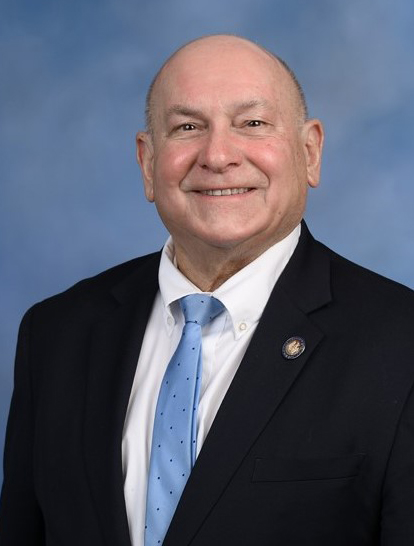
Chris Burdick
DDemocratic/Independence/Working Families
Co

Chris Eachus
DDemocratic
Co

Jonathan Jacobson
DDemocratic
Co

Kalman Yeger
DDemocratic
Co

Karl Brabenec
RRepublican
Co
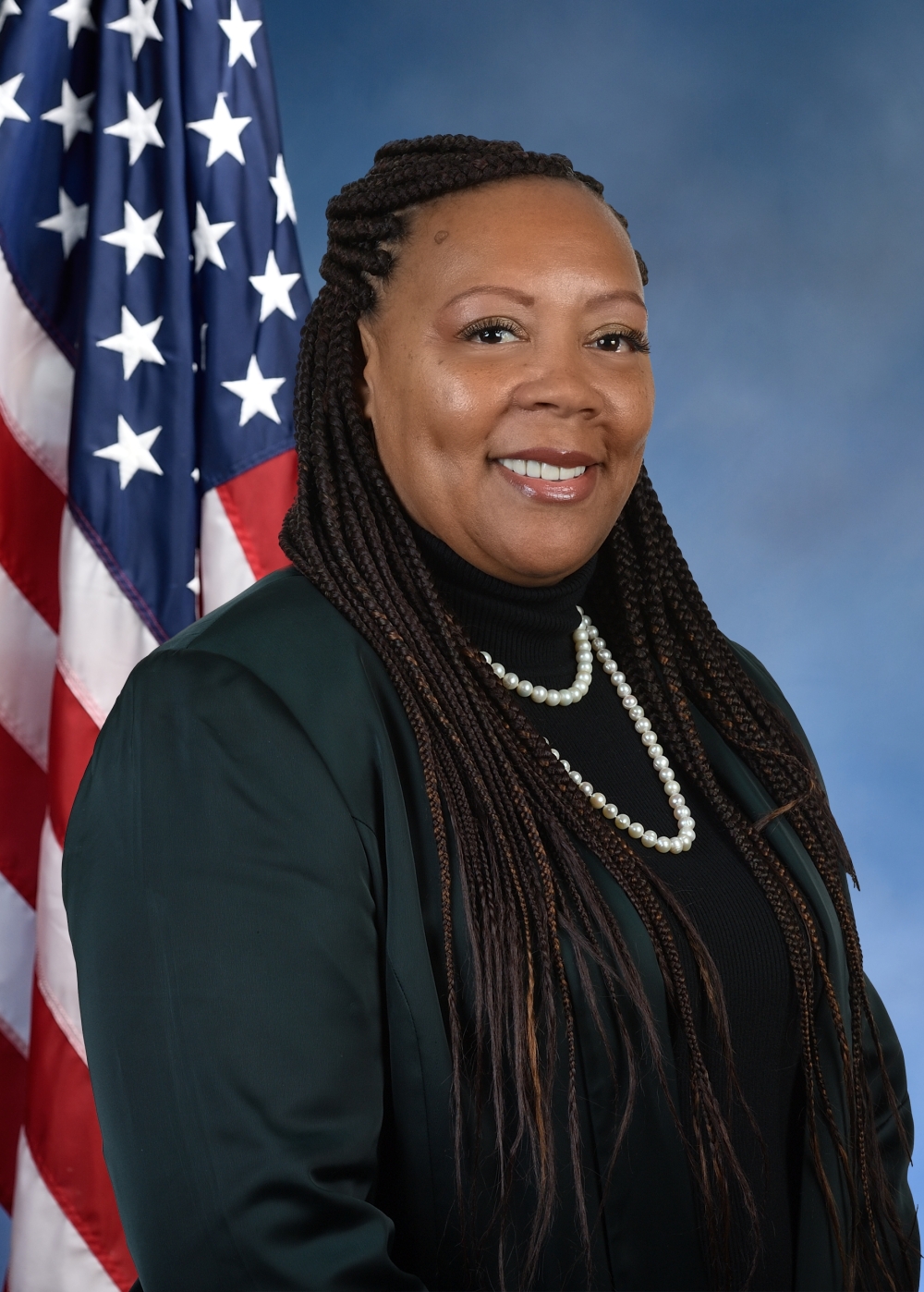
Larinda Hooks
DDemocratic/Working Families
Co

MaryJane Shimsky
DDemocratic/Working Families
Co

Michael Cashman
DDemocratic
Co
William Colton
DDemocratic
Ask Maddy
·
AI policy assistant
Ask Maddy about A 10763
Scope: NY
Hi! I can help you understand A 10763. What would you like to know?
Try one of these
i
Maddy answers using official bill text and legislative records. Always verify before sharing.
Sources cited inline