DeOndra Dixon INCLUDE Project Act of 2026
What changed between versions
The entire Section 2 (Congressional Findings) was deleted, removing all six findings about Down syndrome prevalence, life expectancy, and research rationale.
The bill now amends Part B of title IV of the Public Health Service Act (new section 409K) instead of Part A (former section 404P), changing where the program sits in federal law.
Program element (1) broadened from 'high-risk, high reward basic science studies' to 'high-risk, high-reward research,' removing the limitation to basic science only, and changed terminology from 'chromosome 21' to 'trisomy 21.'
Program element (2) changed from 'assembling and maintaining a large study population of individuals with Down syndrome' to 'promoting research for participants with Down syndrome across the lifespan, including cohort studies,' broadening the scope beyond just building a study population.
Authority shifted from 'the Secretary, acting through the Office of the Director of NIH, and in consultation with other Federal agencies and partners' to simply 'the Director of NIH,' removing the Secretary's role and interagency consultation requirement.
Coordination responsibility narrowed from 'institutes, centers, agencies, and offices' to just 'institutes and centers,' and the coordination mechanism changed from the Division of Program Coordination, Planning, and Strategic Initiatives to the Office of the Director of NIH and priority-setting reviews under section 402(b)(3).
The technical assistance provision (former subsection d) requiring the Secretary to provide technical assistance to grantees was removed entirely.
A new subsection (d) requires the Director of NIH to consult with relevant stakeholders, including patient advocates, to ensure activities take into consideration the needs of individuals with Down syndrome.
Program element (6) added 'related dementias' alongside Alzheimer's disease when listing co-occurring conditions, expanding the condition coverage.
How they voted
Actions timeline
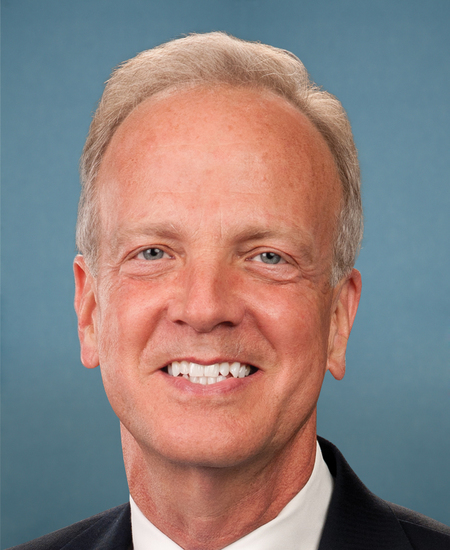
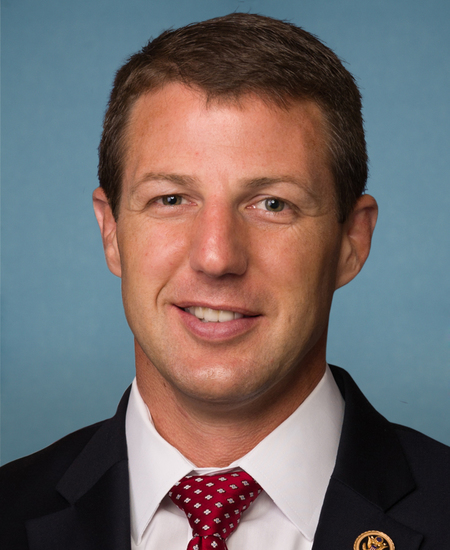
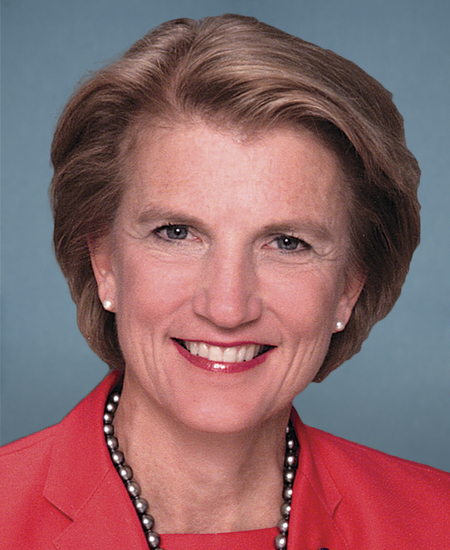
Sponsors