

Maddy summaryThe Lindsey O. Graham Sanctioning Russia and Iran Act of 2026 imposes comprehensive economic restrictions on the Russian Federation, including blocking assets of government officials, state-owned financial institutions, and entities supporting the defense sector. The bill prohibits new U.S. investments in Russia, bans the purchase of Russian sovereign debt, and restricts the importation of uranium and energy products from the country. Additionally, it authorizes the imposition of tariffs up to 500 percent on goods imported directly from Russia and up to 100 percent on goods from foreign nations that continue to purchase significant volumes of Russian crude oil or natural gas. The legislation also extends the Iran Sanctions Act through 2031 and includes a five-year sunset provision for the new measures, subject to specific humanitarian and safety exceptions.
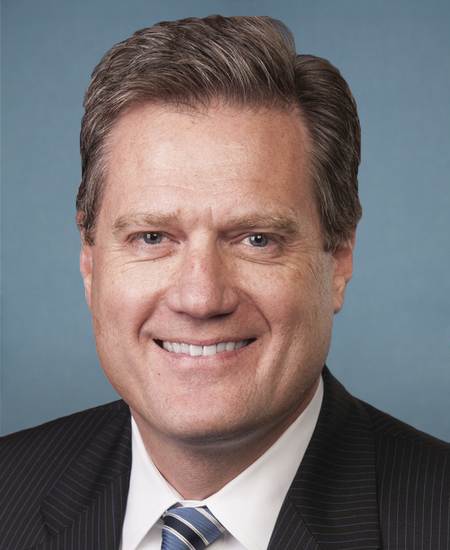
Rep. Michael R. Turner
Sponsored bills
This bill designates the facility of the United States Postal Service located at 201 East Grant Avenue in Georgetown, Ohio, as the "Ulysses S. Grant Post Office Building".
Maddy summaryHR 6332 designates the United States Postal Service facility at 10660 Page Avenue in Fairfax, Virginia, as the "Congressman Gerald E. Connolly Post Office Building." This bill updates all official references in federal documents, maps, and records to use the new name for this specific post office location. It does not create new policies or affect any services; it solely changes the building's official designation to honor Congressman Gerald E. Connolly. The change applies to all federal materials referencing the facility.
Maddy summaryThis bill (HR 4635) designates the U.S. Postal Service facility at 890 East 152nd Street in Cleveland, Ohio, as the "Technical Sergeant Alma Gladys Minter Post Office Building." It updates all official references to the location to use this new name, with no policy changes or direct impact on residents or services beyond the ceremonial renaming.
Maddy summaryThis bill requires Medicare Advantage plans to implement electronic pre-approval systems for medical services by 2028 and meet transparency reporting standards starting in 2027. Plans must publicly report data on approval/denial rates, appeal outcomes, response times, and technology use for pre-approval requests, including details on how denials relate to clinical criteria. It establishes a 24-hour response timeframe for certain requests and mandates annual reviews of pre-approval requirements based on data and input from seniors and providers. The law directly affects Medicare Advantage plans, seniors enrolled in these plans, and healthcare providers who submit pre-approval requests. These changes aim to make the pre-approval process faster, more transparent, and more accountable for seniors seeking covered medical services.
Maddy summaryThis bill establishes a Strategic Defense Innovation Working Group to facilitate cooperation between the United States and Ukraine on developing and producing unmanned military systems. The group, led by senior U.S. defense officials and including Ukrainian representatives, will identify effective drone technologies used by Ukraine and explore ways to co-develop, co-produce, and acquire them in the United States. Key provisions include creating frameworks for sharing military data and intellectual property, assessing supply chains to avoid reliance on adversarial nations, and reporting regularly to Congress on progress and legal barriers. The initiative aims to accelerate the deployment of proven Ukrainian drone capabilities while ensuring secure and compliant integration into U.S. defense efforts.
Maddy summaryHR 4398, the Veteran Burial Timeliness and Death Certificate Accountability Act, requires Veterans Affairs (VA) physicians or nurse practitioners to certify the death of a veteran who dies of natural causes within 48 hours of learning of the death. This directly affects veterans' families, who previously faced delays of up to eight weeks in burial and access to survivor benefits due to slow death certifications. The bill mandates annual reports to Congress on VA compliance with the 48-hour rule, including statistics on delays and their causes. The key change is establishing a strict timeline for death certification to prevent unnecessary delays in honoring veterans' final arrangements.
Maddy summaryThis bill redesignates the existing National Parks and Public Land Legacy Restoration Fund as the America's Legacy Restoration Fund to address deferred maintenance on federal lands. It directs revenue from recreation fees and a portion of energy development income into the fund, which must be used primarily for repairing critical infrastructure like roads, trails, and buildings managed by agencies such as the National Park Service and the Forest Service. The legislation establishes strict rules requiring that most funds go toward non-transportation projects, mandates transparency through public dashboards tracking project status, and sets aside a small percentage for matching private donations. Additionally, the bill increases entrance fees for foreign visitors to ensure they contribute to the fund, while prohibiting the use of these specific funds for land acquisition or employee bonuses.
Repealing Big Brother Overreach Act This bill repeals the Corporate Transparency Act. The act requires existing companies and newly created companies to report beneficial ownership information to the Department of the Treasury’s Financial Crimes Enforcement Network for purposes of addressing the financing of terrorism and money laundering.
Maddy summaryThe Veterans Affairs Heritage Act of 2026 establishes a new Department of Veterans Affairs History Office located in Dayton, Ohio, to collect, preserve, and share the history of the Department and its predecessor organizations. This office will manage existing programs like the Veterans Legacy Program and the Veterans' History Project, while also building facilities for archives, public exhibits, and training on historical preservation. To support these efforts, the bill authorizes the Secretary to accept donations, enter into partnerships with nonprofits, and lease property to generate revenue for the office's operations. Additionally, the legislation requires the Secretary to submit a long-range planning report within 180 days and mandates annual progress reports to Congress until the Department's centennial year in 2030.