

Maddy summaryHR 5631 establishes a Geothermal Ombudsman within the Bureau of Land Management (BLM) to streamline permitting for geothermal energy projects on public lands. The ombudsman, appointed within 60 days of enactment, acts as a liaison between BLM offices and project applicants, resolves disputes, monitors permit timelines, and develops best practices for the permitting process. The bill also creates a Geothermal Permitting Task Force led by the ombudsman, which can assign cross-office personnel (with retention allowances up to 25% of pay) to support geothermal authorizations without altering BLM's jurisdiction. The ombudsman must submit annual reports to Congress on the task force's effectiveness and permit processing outcomes. This directly affects geothermal project applicants and BLM field offices handling geothermal permits.
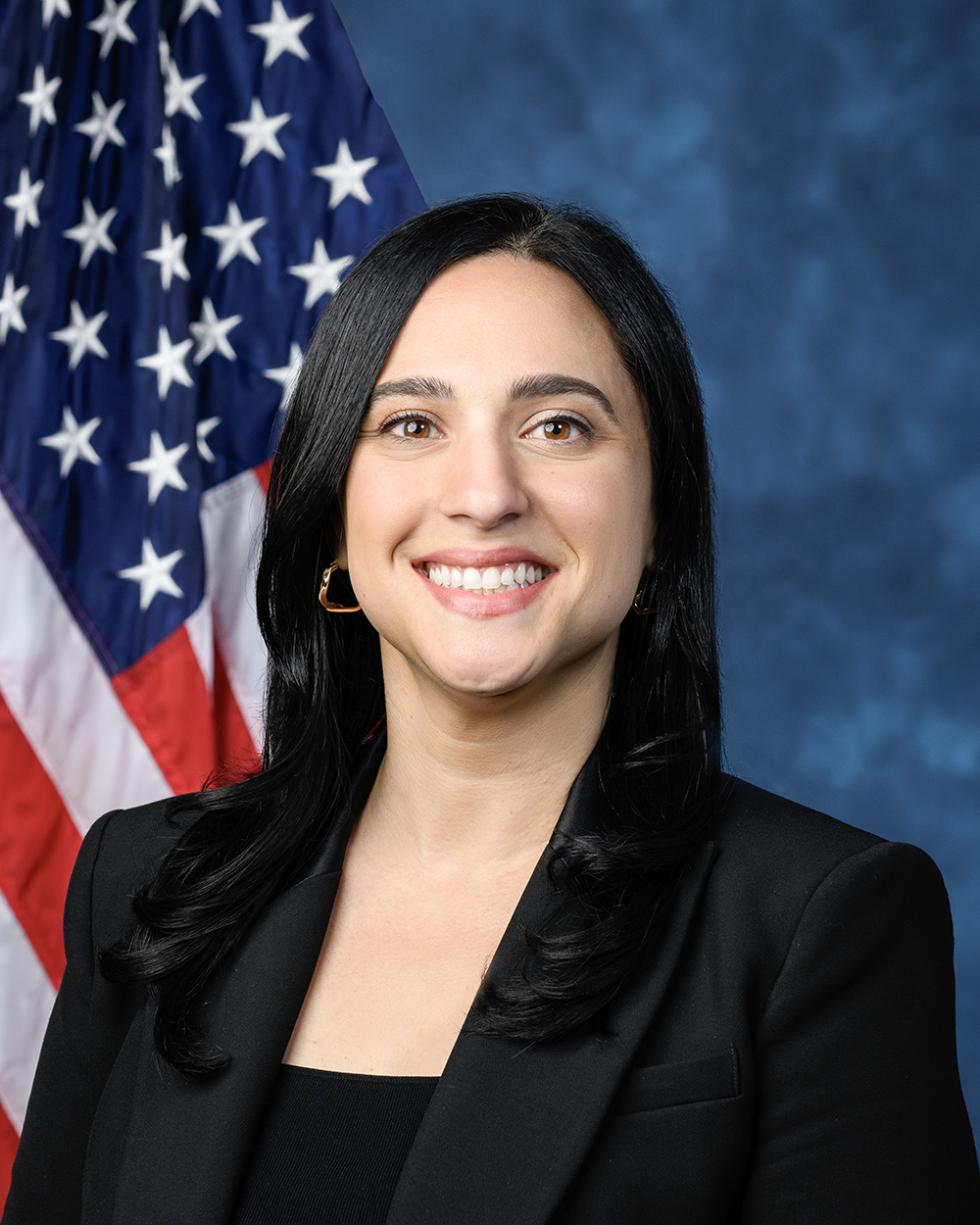
Rep. Yassamin Ansari
Sponsored bills
Maddy summaryThe Stop Corporate Takeovers of Physicians Act of 2026 prohibits non-physician entities from owning, controlling, or employing licensed medical professionals, requiring that medical practices be majority-owned and controlled by the clinicians who work there. The bill grants physicians and other advanced practice providers protections against non-compete agreements and bans health care providers from interfering with clinical judgment through administrative controls such as limiting patient visit times or dictating diagnostic codes. Additionally, it imposes strict restrictions on management services organizations to prevent them from exercising de facto control over medical practices, including prohibitions on controlling hiring, compensation, and billing decisions. Enforcement is handled by the Federal Trade Commission, which can treat violations as unfair business practices, while individuals and state attorneys general are also granted the right to sue for damages and injunctive relief.
Maddy summaryThe Survivors' Rights Restitution Act of 2026 establishes a federal compensation program administered by the Attorney General for victims of sexual assault, abuse, trafficking, or exploitation involving Jeffrey Epstein or Ghislaine Maxwell, as well as victims whose rights were violated by the federal government. Petitions are filed with the United States Court of Federal Claims and assigned to special adjudicators who must be mental health professionals or experts in victim services, civil rights law, or claims administration. The process is designed to be informal and less adversarial than standard litigation, with decisions required within 120 days and a minimum compensation award of $123,000. Compensation is funded by a dedicated Treasury account that accepts forfeited assets and voluntary contributions, and payments are exempt from federal income tax and means-tested benefit calculations.
Maddy summaryThe Pray Safe Act of 2025 establishes a federal Clearinghouse within the Department of Homeland Security to provide houses of worship, faith-based organizations, and nonprofit groups at risk of threats with evidence-based safety resources. The Clearinghouse will publish online best practices for security planning, facility safety, and incident response, while listing existing federal and state grant programs to help these organizations implement these measures. It requires annual updates based on user feedback and includes a centralized resource section for contacts like Protective Security Advisors and Fusion Centers. The program expires four years after enactment and does not create new funding but coordinates existing federal and state safety resources.
Maddy summaryThis bill designates the U.S. Postal Service facility at 13355 North Lon Adams Road in Marana, Arizona, as the "Mayor Ed Honea Memorial Post Office." It changes all official federal references to this location to reflect the new name, honoring Mayor Ed Honea through a commemorative designation. The bill has no policy or funding provisions - it is purely a naming change for the post office.
Maddy summaryHR 3393 designates the U.S. Postal Service facility at 12208 North 19th Avenue in Phoenix, Arizona, as the "Officer Zane T. Coolidge Post Office." The bill updates all official references to this location to reflect the new name. This is a commemorative act honoring Officer Zane T. Coolidge, with no substantive policy changes or direct impact on citizens or regulations. The designation applies only to the specific postal facility and its official records.
Maddy summaryThis House resolution marks the 25th anniversary of the September 11, 2001 terrorist attacks by formally honoring the memory of the nearly 3,000 victims and recognizing the sacrifices made by first responders, military personnel, and the passengers of United Airlines Flight 93. The bill acknowledges the ongoing health challenges faced by survivors and responders, highlighting the role of the World Trade Center Health Program in providing long-term medical support. It also credits charitable organizations and community groups that have continued to assist victims' families and veterans over the past two decades. Finally, the resolution urges the American public to observe the anniversary with ceremonies and reaffirms Congress's commitment to remembering the events and lessons of that day.
Maddy summaryThe El Salvador TPS Act of 2026 requires the Secretary of Homeland Security to grant Temporary Protected Status (TPS) to individuals from El Salvador. This designation would remain in effect until a date 18 months after September 9, 2026. The bill directly affects eligible residents of El Salvador by providing them with legal protection and work authorization during this specified period.
Maddy summaryThe Taxpayer Relief from Big Oil Act would eliminate existing royalty relief programs for oil and gas companies operating in the Gulf of Mexico and Alaska, requiring these firms to pay full royalties on their production. The bill also mandates that the Department of Interior establish standardized transportation cost deductions for calculating royalties on federal lands and offshore waters, capping these deductions at either 30 percent of the total value of production or actual reasonable costs, whichever is lower. Additionally, the legislation requires the Bureau of Land Management and the Bureau of Ocean Energy Management to submit annual reports to Congress detailing the number of royalty relief applications processed, approved wells, and estimated impacts on government revenue.
Maddy summaryThe Penalties for Polluters Act significantly increases the maximum civil penalties for violations of federal mineral leasing, oil and gas royalty management, and offshore lands laws to better account for inflation. These higher fines apply to companies and individuals who fail to comply with regulations regarding natural resource extraction and environmental protection. The bill also establishes a Penalty Revenue Reinvestment Fund that collects the additional revenue generated by these increased penalties. Half of this fund is distributed to states, Indian tribes, and local governments harmed by violations, while the other half supports federal agencies in enforcing compliance and safety standards.