

Permits 30-calendar day extension to cure period for certain businesses to address and resolve certain violations.
This bill extends the cure period for small businesses facing certain non-criminal violations by 30 days, adding to the existing 60-day period. It applies to businesses with 50 or fewer full-time equivalent employees for first-time violations that don’t threaten public safety, employee income, or the environment. State agencies may grant this additional 30-day extension only if they determine denying it would conflict with equity and good conscience. The bill does not apply to labor law violations, criminal matters, or cases where federal rules require penalties. It also requires agencies to publicly report waived violations annually.
Bill status
passed
3 of 5 stages cleared
Introduction
Jan 2026
Committee Review
May 2026
General Assembly Passage
Mar 2026
Senate Passage
Governor
Introduced Jan 13, 2026
Last action May 4, 2026
Maddy AI version diff · 1 comparison
What changed between versions
Introduced
→
Reprint
·
4 edits
MODERATE
The bill moved from introduction to first reprint after committee report on March 9, 2026. The most substantive change tightens the standard for extending the 60-day cure period: agencies can now only grant a 30-day extension 'for good cause shown' rather than when they determine it would be 'contrary to equity and good conscience.' Two new co-sponsors were added and the bill's statement section was removed.
REQUIREMENT
The standard for extending the 60-calendar day cure period by an additional 30 days was changed from a subjective 'equity and good conscience' determination to an objective 'good cause shown' requirement, making it harder for businesses to obtain extensions.
TECHNICAL
Assemblywoman Haider and Assemblyman Sampson were added as co-sponsors.
The entire Statement section at the end of the bill was removed, which is standard when a bill advances past introduction.
TIMELINE
The bill status changed from 'Introduced Pending Technical Review by Legislative Counsel' to 'As reported by the Assembly Commerce and Economic Development Committee on March 9, 2026, with amendments.'
Floor votes
How they voted
This bill passed the General Assembly by voice vote (no roll call recorded).
Full legislative history
Actions timeline
Total actions
4
Key actions
1
Committee
1
May 4, 2026
Committee
Received in the Senate, Referred to Senate State Government, Wagering, Tourism & Historic Preservation Committee
upper
Mar 23, 2026
Lower · Passed
Passed by the Assembly (73-0-0)
lower
Jan 13, 2026
Introduced
Introduced, Referred to Assembly Commerce and Economic Development Committee
lower
2 primary · 11 co-sponsors
Sponsors
Role
Legislator
Party
State
District
P
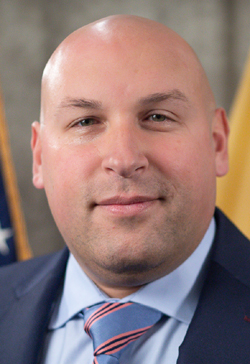
Mike Venezia
DDemocratic
P
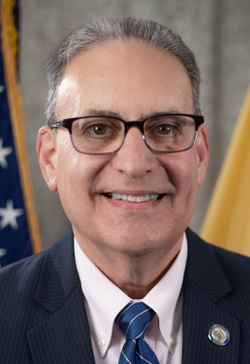
Roy Freiman
DDemocratic
Co
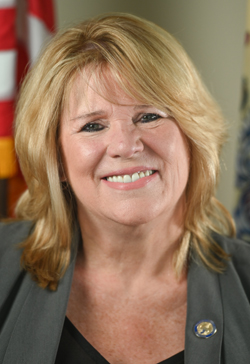
Carol Murphy
DDemocratic
Co

Chris Tully
DDemocratic
Co

Clinton Calabrese
DDemocratic
Co

Dawn Fantasia
RRepublican
Co

Ellen Park
DDemocratic
Co

Heather Simmons
DDemocratic
Co
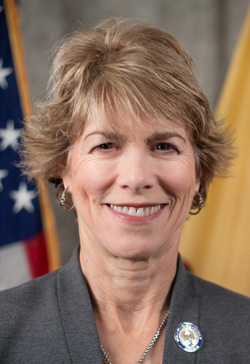
Lisa Swain
DDemocratic
Co

Mike Inganamort
RRepublican
Co
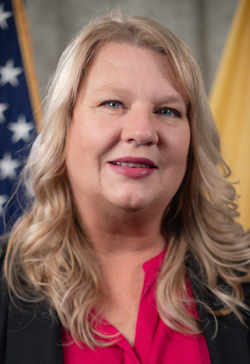
Mitchelle Drulis
DDemocratic
Co
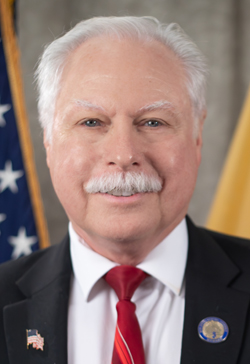
Robert Karabinchak
DDemocratic
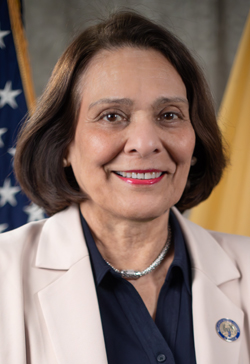
Ask Maddy
·
AI policy assistant
Ask Maddy about A 795
Scope: NJ
Hi! I can help you understand A 795. What would you like to know?
Try one of these
i
Maddy answers using official bill text and legislative records. Always verify before sharing.
Sources cited inline