

In committee Sep 17, 2026
1 co-sponsor
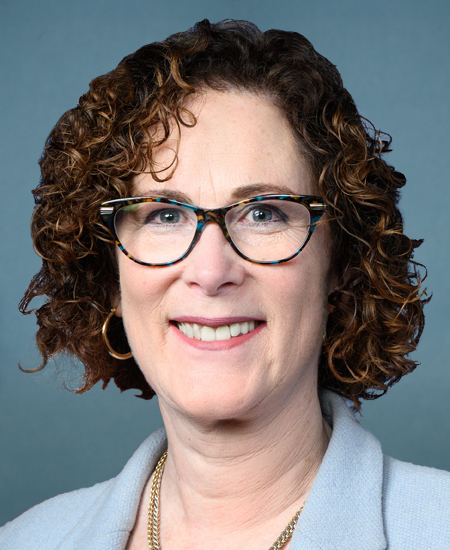
Rep. Val T. Hoyle
Total votes
1,879
all sessions
Attendance
98%
41 missed
Near the chamber average
With party
96%
of cast votes
Near the chamber average
Bipartisan score
2%
crosses aisle rarely
Near the chamber average
Sponsored
689
bills & resolutions
Near the chamber average
Committees
7
assignments
689 bills and resolutions
Sponsored bills
Total
689
Primary
26
Co-sponsor
663
This page
689
matching current filters
In committee Sep 16, 2026
1 co-sponsor
In committee Sep 16, 2026
1 co-sponsor
In committee Sep 16, 2026
1 co-sponsor
Stop Corporate Takeovers of Physicians Act of 2026
Maddy summaryThe Stop Corporate Takeovers of Physicians Act of 2026 prohibits non-physician entities from owning, controlling, or employing licensed medical professionals, requiring that medical practices be majority-owned and controlled by the clinicians who work there. The bill grants physicians and other advanced practice providers protections against non-compete agreements and bans health care providers from interfering with clinical judgment through administrative controls such as limiting patient visit times or dictating diagnostic codes. Additionally, it imposes strict restrictions on management services organizations to prevent them from exercising de facto control over medical practices, including prohibitions on controlling hiring, compensation, and billing decisions. Enforcement is handled by the Federal Trade Commission, which can treat violations as unfair business practices, while individuals and state attorneys general are also granted the right to sue for damages and injunctive relief.
HealthcareSupports HealthcareThe bill aims to protect clinical judgment and prevent non-physician interference in medical practices, which can improve patient care and access to quality healthcare by ensuring decisions are medically driven.
Labor & EmploymentSupports Labor & EmploymentThe bill protects physicians and advanced practice providers from corporate control and non-compete agreements, enhancing their employment rights and autonomy.
In committee Sep 16, 2026
0 co-sponsors
AM Radio for Every Vehicle Act of 2025
Maddy summaryThis bill requires all new passenger vehicles manufactured for sale in the U.S. to include AM radio as standard equipment (not an optional add-on) by 2027-2028, depending on manufacturer size. It mandates that AM radio receivers must be easily accessible to drivers and allows compliance through digital AM broadcast technology. During a transition period, manufacturers must clearly label vehicles without AM radio but cannot charge extra for this feature. The bill also mandates a GAO study on AM radio's role in emergency alerts and includes a 10-year sunset provision for the rule. It preempts state laws regarding AM radio access in vehicles.
Passed Sep 16, 2026
1 co-sponsor
Providing for congressional disapproval under chapter 8 of title 5, United States Code, of the rule submitted by U.S. Immigration and Customs Enforcement of the Department of Homeland Security relating to "Establishing a Fixed Time Period of Admission and an Extension of Stay Procedure for Nonimmigrant Academic Students, Exchange Visitors, and Representatives of Foreign Information Media".
Maddy summaryThis joint resolution seeks to overturn a Department of Homeland Security rule that would establish fixed time periods for admission and specific extension procedures for nonimmigrant academic students, exchange visitors, and representatives of foreign information media. If enacted, the bill would prevent this immigration regulation from taking effect, thereby maintaining the existing framework for how these individuals manage their stay in the United States. The measure directly affects international students, cultural exchange participants, and foreign journalists by blocking changes to their visa duration limits and renewal processes.
In committee Sep 14, 2026
1 co-sponsor
Affordable Pricing for Taxpayer-Funded Prescription Drugs Act of 2026
Maddy summaryThe Affordable Pricing for Taxpayer-Funded Prescription Drugs Act of 2026 requires federal agencies to include reasonable pricing clauses in all research grants and contracts involving biomedical products. Under this provision, U.S. residents cannot be charged more than the median price found in Canada and six other high-income OECD countries for any drug, device, or therapy developed with federal support. The Secretary of Health and Human Services is authorized to establish additional regulations, such as mechanisms to lower prices when revenues exceed targets or costs per health benefit are too high, while retaining the ability to waive these obligations if doing so serves the public interest. To ensure accountability, manufacturers must report clinical trial costs, government subsidies, and annual revenues by county, with all data made publicly available.
In committee Aug 13, 2026
0 co-sponsors
AI Tax and Work Protection Act
Maddy summaryThe AI Tax and Work Protection Act imposes a new excise tax on companies that develop or sell artificial intelligence foundation models, with rates that increase based on the national unemployment level. The revenue generated from this tax is placed into a dedicated trust fund to finance a new federal jobs program administered by a newly created Office of Job Creation within the Department of Labor. This program awards grants to state, local, and tribal governments to hire permanent, full-time workers for specific public service roles, such as in education, healthcare, infrastructure, and community safety. To ensure the jobs created do not replace existing workers, the bill includes strict nondisplacement rules and mandates that grant recipients provide employees with strong labor protections, including collective bargaining rights, competitive wages, and paid leave. Additionally, the legislation directs the Bureau of Labor Statistics to study the impact of AI on the workforce and establishes an advisory committee to guide the implementation of the job creation initiatives.
Budget & TaxesSupports Budget & TaxesBill creates a dedicated trust fund to finance a federal jobs program, directly increasing funding for employment initiatives.
Labor & EmploymentSupports Labor & EmploymentBill creates a federal jobs program to hire permanent workers and fund employment initiatives, directly strengthening labor and employment.
TechnologyOpposes TechnologyBill imposes an excise tax on AI companies, which restricts and financially burdens the technology sector.
In committee Aug 6, 2026
1 co-sponsor
No TSA Data for ICE Act
Maddy summaryThis bill, titled the No TSA Data for ICE Act, prohibits the Transportation Security Administration from sharing passenger data with U.S. Customs and Border Protection or U.S. Immigration and Customs Enforcement. It specifically bars these agencies from using TSA information or data from private brokers to perform immigration enforcement functions. Additionally, the legislation prevents the denial, suspension, or early termination of Trusted Traveler programs like PreCheck and Global Entry if an individual's participation in First Amendment-protected activities is the reason. The law defines the restricted data as personally identifiable information about flight passengers obtained from the TSA or private sector entities.
ImmigrationSupports ImmigrationBill restricts federal immigration enforcement access to TSA data, limiting cooperation and protecting immigrant privacy.
TechnologySupports TechnologyBill protects passenger data privacy by prohibiting TSA from sharing data with immigration agencies, aligning with digital rights and privacy indicators.
In committee Aug 4, 2026
1 co-sponsor
Ask Maddy
·
AI policy assistant
Ask Maddy about Val T. Hoyle
Scope: new-hampshire
Hi! I can help you understand Val T. Hoyle's legislative record. What would you like to know?
Try one of these
i
Maddy answers using official bill text and legislative records. Always verify before sharing.
Sources cited inline