

Save Our Sequoias Act This bill provides for the conservation of giant sequoia trees ( Sequoiadendron giganteum ) in California. Specifically, it provides statutory authority for the Giant Sequoia Lands Coalition and outlines the coalition's duties. The coalition must submit a Giant Sequoia Health and Resiliency Assessment and annually update it. The information from the assessment must be made available so the information can be integrated into certain other plans. The coalition must also create and maintain a website that contains the assessment, educational materials, searchable information about individual giant sequoia groves, and a searchable database to track the status and costs of reforestation and rehabilitation activities. In addition, the bill declares an emergency on certain public lands and allows officials to carry out protection plans during the emergency to respond to the threat of wildfires, insects, and drought. The emergency expires after seven years. The Department of the Interior must develop and implement a Giant Sequoia Reforestation and Rehabilitation Strategy. Finally, the bill establishes a variety of programs and funds to support the conservation of giant sequoias.
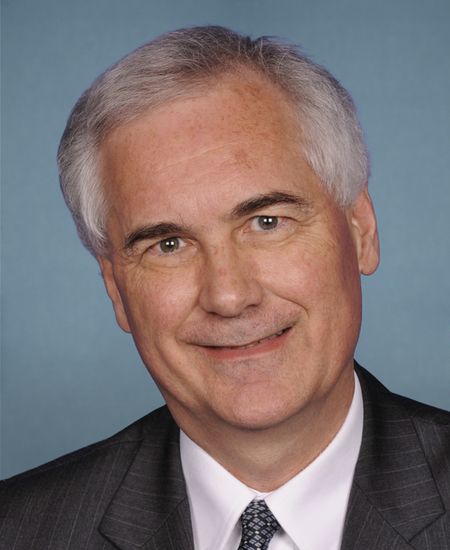
Rep. Tom McClintock
Sponsored bills
Maddy summaryThis bill transfers administrative control of about 330 acres of federal land in Tuolumne County, California, between two agencies. Approximately 160 acres currently managed by the Forest Service will be moved to the National Park Service to become part of Yosemite National Park, while about 170 acres currently managed by the National Park Service will be transferred to the Forest Service to become part of Stanislaus National Forest. The legislation includes provisions for minor boundary adjustments, requires notification about any hazardous substances on the land, and ensures that cleanup responsibilities remain with the original agency that held jurisdiction before the transfer. Existing rights, permits, and authorizations on the land remain valid, though the new managing agency will be responsible for administering them going forward.
Maddy summaryThis bill would amend the Endangered Species Act to require that captive-bred (artificially propagated) animals receive identical protections as wild (naturally propagated) animals under the law. It mandates that the Secretary of the Interior must authorize using captive-bred animals to offset harm to endangered species in conservation projects (mitigation). These changes apply to all species listed under the Act, regardless of when they were designated as endangered or threatened. The bill does not alter species listing criteria or habitat protections but ensures consistent treatment of captive and wild populations.
Maddy summaryHR 184, the "Action Versus No Action Act," requires the Secretary of Agriculture or Interior to limit environmental reviews for specific forest management activities to only two alternatives: the proposed activity or "no action." It applies when projects occur on lands suitable for timber production and meet conditions like being part of a collaborative process, developed via a resource advisory committee, or covered by a community wildfire protection plan. The bill mandates that "no action" alternatives must explicitly analyze impacts on forest health, wildfire risk, habitat, water supply, and economic factors. This directly affects federal land managers conducting environmental assessments under the National Environmental Policy Act (NEPA) for these designated projects.
This bill designates the facility of the United States Postal Service located at 340 East 1st Street in Tustin, California, as the "Ursula Ellen Kennedy Post Office Building".
Maddy summaryHR 2175 designates the U.S. Postal Service facility at 130 South Patterson Avenue in Santa Barbara, California, as the "Brigadier General Frederick R. Lopez Post Office Building." The bill updates all official U.S. government references to this location to reflect the new name. This is a ceremonial naming bill with no policy changes or direct impact on residents or services.
Maddy summaryThe Cost Estimates Improvement Act requires the Congressional Budget Office and the Joint Committee on Taxation to include public debt servicing costs in their financial estimates, to the extent practicable. This change directly affects federal budgeting processes by ensuring that the interest payments on national debt are factored into official cost projections for new legislation. The bill amends the Congressional Budget and Impoundment Control Act of 1974 to mandate this specific inclusion in all future estimates prepared by these two bodies.
Maddy summaryThis bill expands public recreational access to Yosemite's Hetch Hetchy Reservoir and Lake Eleanor Basin areas. It increases annual funding for park improvements from $30,000 to $2 million (adjusted for inflation), prohibits recouping costs from water/power customers, and adds wildfire mitigation to maintenance projects. The bill explicitly permits activities like swimming, non-motorized watercraft, camping above high-water marks, and picnicking, while requiring the National Park Service to report on equitable access funding. The report must analyze whether original recreational access intentions were followed and propose adjustments to San Francisco's water/power pricing or fees to cover maintenance costs.
Maddy summaryThis bill codifies a specific order from the Department of the Interior into federal law. The provision grants Secretary's Order 3434, issued on June 25, 2025, the same legal authority as an act of Congress. The order focuses on improving coordination between the department and gateway communities.