relative to the use of artificial intelligence to provide services requiring a professional license.
What changed between versions
The AI prohibition in paragraph II was narrowed from covering all services requiring professional licensure to specifically targeting mental health services. The bill no longer broadly bans AI-delivery of any licensed service statewide.
The separate psychologists-specific section (RSA 329-B:17-a) that defined administrative support, consent, and other terms specific to psychology practice was removed from the bill.
The penalty for unlicensed practice changed from a discretionary fine (up to the greater of economic gain or $10,000) imposed by the board to a mandatory flat $10,000 civil penalty per violation imposed by the office. The word 'shall' replaces 'may,' removing discretion.
A new exception allows New Hampshire licensed mental health professionals to use FDA-authorized and/or HIPAA-compliant AI tools for clients under their care, provided they exercise due diligence. This was not in the introduced version.
New definitions were added for 'licensed professional' (therapy or psychotherapy license in-state or via compact), 'peer support' (nonclinical services by people with lived experience), 'religious counseling' (faith-based counseling by clergy not represented as clinical therapy), and 'therapeutic communication.'
A new explicit prohibition states that AI 'shall not independently provide therapeutic communication directly to a client without the involvement of a New Hampshire licensed mental health professional,' adding a direct-to-client restriction beyond just requiring delivery by a licensed professional.
How they voted
Actions timeline
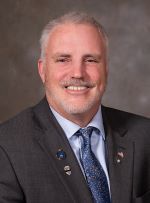
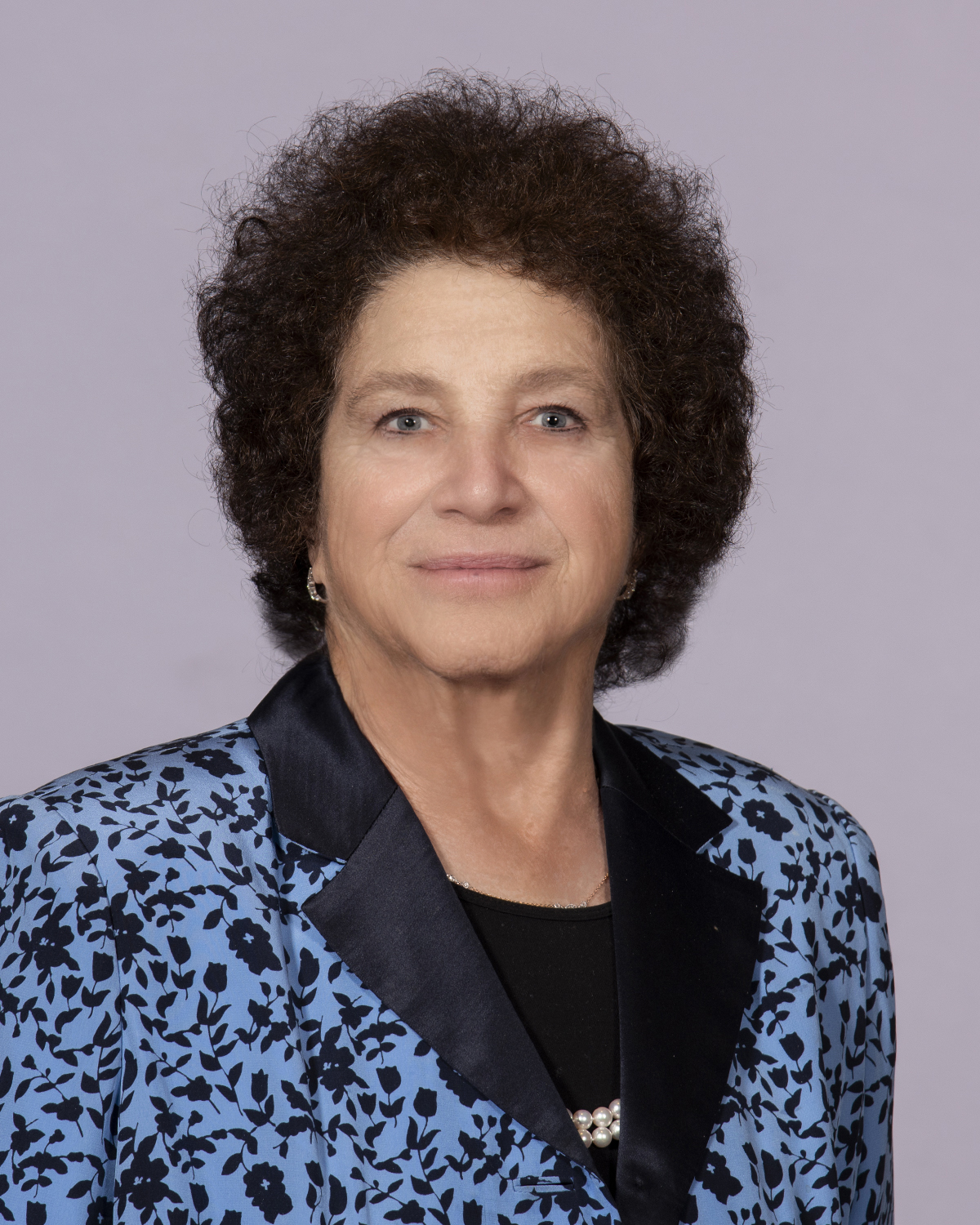
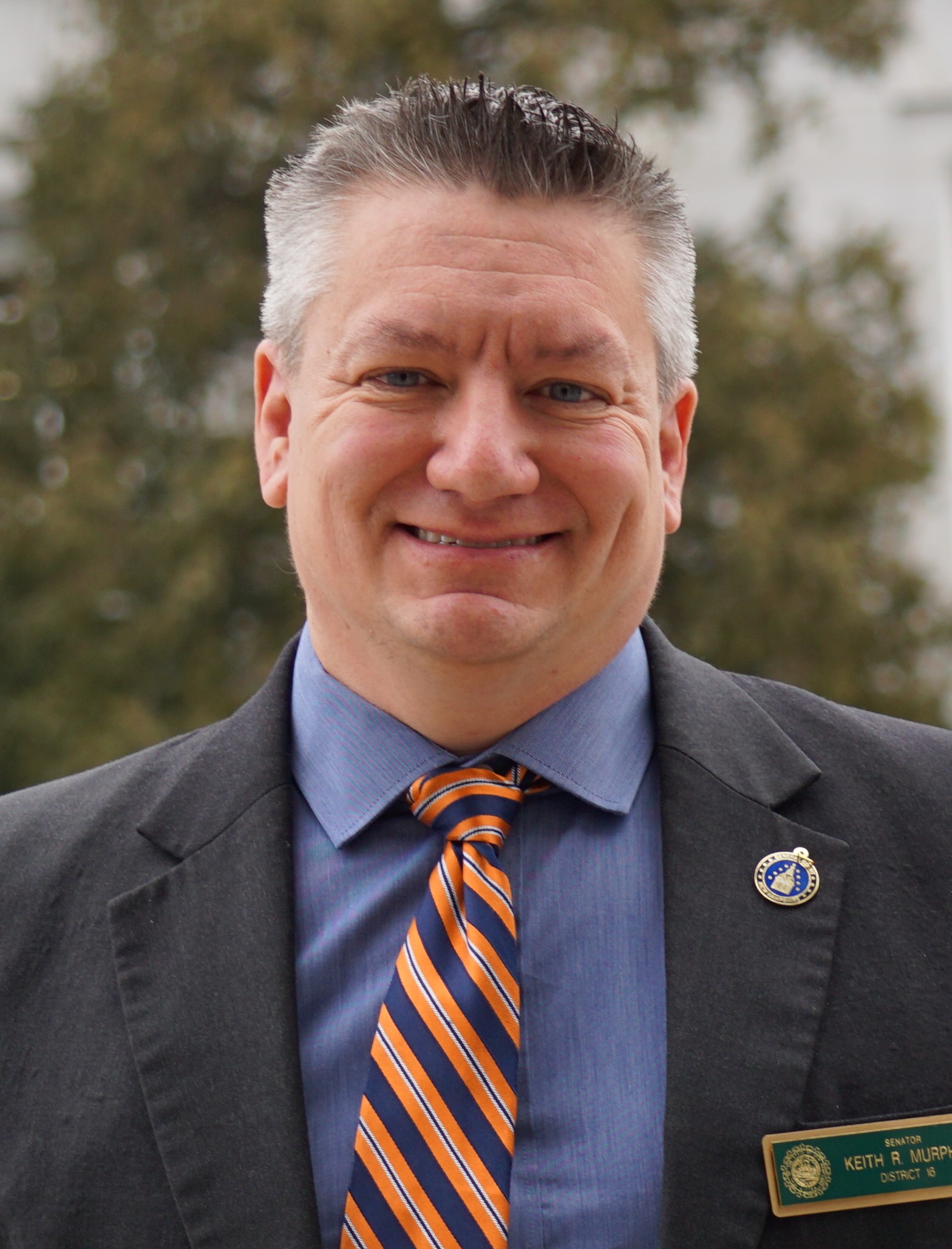
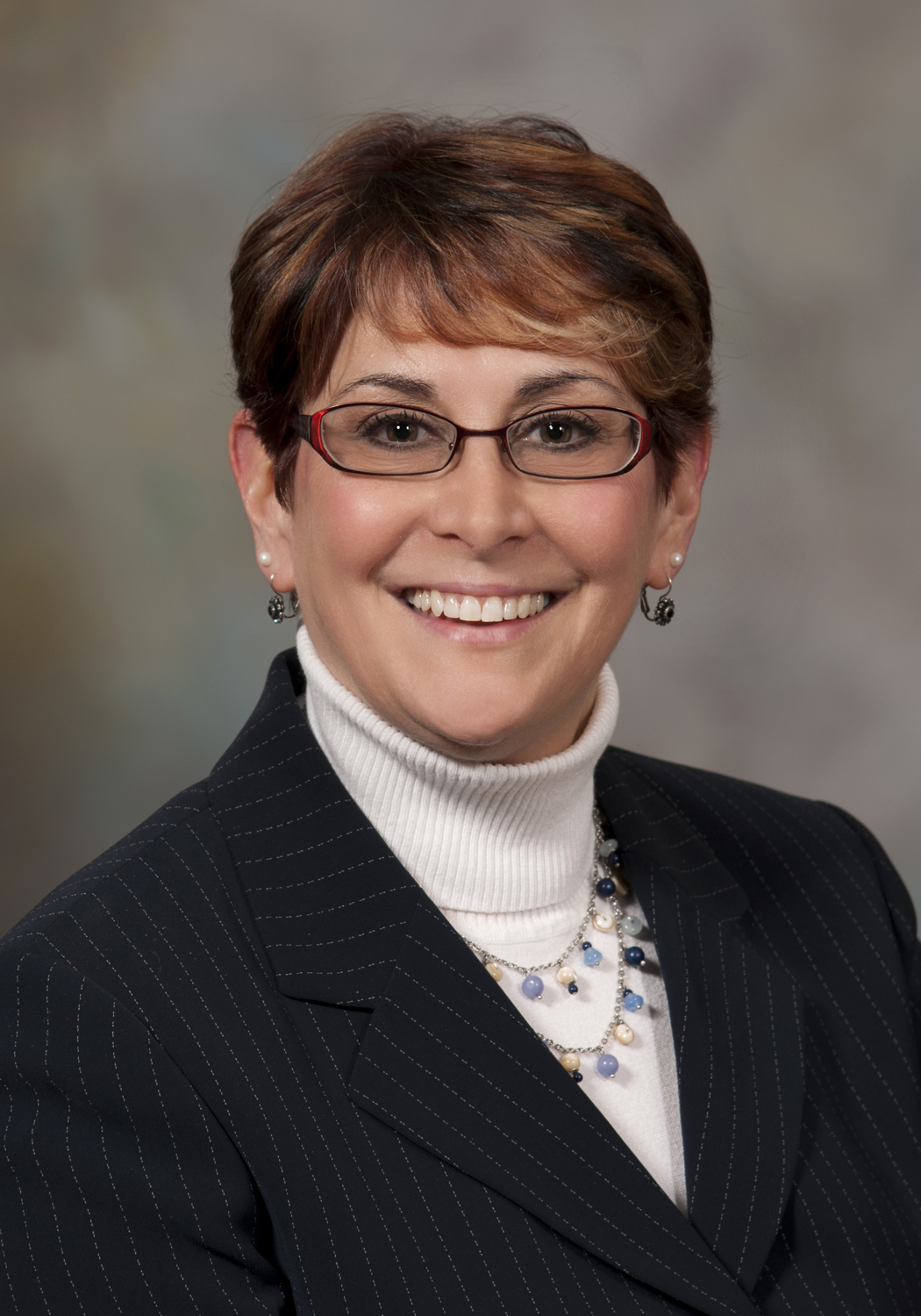
Sponsors