Maddy summaryThe EBOLA Act requires the President to rejoin the World Health Organization within 30 days of enactment and immediately coordinate with that body to address an ongoing Ebola outbreak in Central and Eastern Africa. The legislation authorizes necessary funding to cover U.S. membership fees and financial obligations, as well as voluntary contributions to support international disease response efforts. By mandating this rapid re-entry into the global health agency, the bill aims to enhance the nation's ability to monitor emerging infectious diseases and prevent the spread of the virus to American soil.

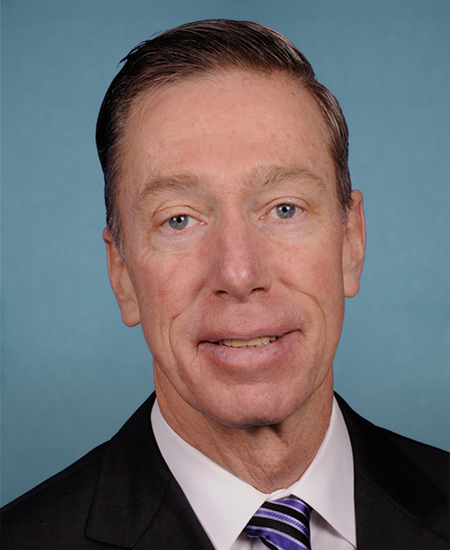
Rep. Stephen F. Lynch
Sponsored bills
National Emergency Medical Services Memorial Extension Act This bill reauthorizes the National Emergency Medical Services Memorial Foundation to establish in Washington, DC, a monument to commemorate the commitment and service represented by emergency medical services. This authorization expires seven years after enactment of the bill.
Maddy summaryThis House resolution supports the designation of August 17 through August 23, 2026, as Warehouse Worker Recognition Week to honor over 1.8 million employees in the logistics industry. The bill highlights the critical role these workers play in the U.S. economy and supply chain while acknowledging the challenging conditions they face, such as extreme heat and long hours. It encourages increased public awareness of their contributions and commits lawmakers to collaborating on efforts to reduce workplace injuries and better support these front-line employees.
Maddy summaryThis bill amends the Foreign Service Act of 1980 to ensure that members of the U.S. Foreign Service who are ordered to take leave continue to receive their standard daily allowances and lodging benefits. The legislation directly affects foreign service officers by making them eligible for these financial supports, including those outlined in federal employee housing regulations. By codifying this requirement, the bill clarifies that such benefits must be provided during mandated leave periods rather than being discretionary.
Maddy summaryThe Compassionate Care Act aims to improve how patients and their families plan for future medical decisions by promoting advance care planning, which involves discussing treatment preferences while a person is still able to participate. The bill directs the federal government to launch a public education campaign and create a dedicated website to help healthcare providers understand and integrate these planning tools into patient care. It also mandates the development of standardized quality measures for end-of-life care and requires medical schools to include specific training on palliative care and advance directives in their curricula. Additionally, the legislation makes permanent the use of telehealth for certain hospice recertifications and removes geographic restrictions on telehealth services used for advance care planning. Finally, the act authorizes several studies to evaluate barriers to a national uniform policy for advance directives and to explore the feasibility of a national registry for these documents.
Maddy summaryThe Lori Jackson-Nicolette Elias Domestic Violence Survivor Protection Act aims to reduce intimate partner homicides by strengthening federal laws that prevent abusers from accessing firearms while restraining orders are active. It expands the definition of "intimate partner" to include dating partners and clarifies that emergency or temporary restraining orders must also trigger gun restrictions. The bill requires courts to automatically issue firearm surrender orders when a protection order is granted, mandating that abusers turn in their guns within 24 hours and prohibiting them from buying new ones for the duration of the order. Additionally, the legislation creates a new grant program to help states and local governments implement these surrender procedures and partner with domestic violence service providers.
Maddy summaryThe Temporary Protected Status Review Act restores the ability of courts to review decisions by the Department of Homeland Security to end Temporary Protected Status (TPS) designations for foreign nationals. Under this bill, the government must publish detailed written findings explaining why a country no longer qualifies for TPS protection, and these decisions would be subject to a legal challenge in federal court. If a TPS designation is terminated, the affected individuals would remain in the United States with their current status and work authorization intact while the legal challenge is pending. Additionally, the legislation requires the government to follow specific administrative procedures, such as considering all available evidence and avoiding bias, before making any termination decisions.
Maddy summaryThis bill establishes federal protections and funding to expand access to in vitro fertilization and intrauterine insemination for individuals, military service members, and veterans. It requires most private health plans, Medicaid programs, and Medicare to cover these fertility treatments without imposing higher cost-sharing than other medical services. Additionally, the legislation mandates that the Department of Defense and the Department of Veterans Affairs provide specific fertility preservation and treatment benefits to uniformed service members and eligible veterans. The bill also includes preemption clauses that override state laws restricting these procedures and prohibits discrimination based on marital status, sex, or sexual orientation in the provision of care.
Maddy summaryThis bill reauthorizes and expands the Accelerating Access to Critical Therapies for ALS Act through 2031, extending funding for research into treatments for amyotrophic lateral sclerosis. It requires drug manufacturers to share interim clinical trial data with the FDA to better assess the progress of investigational drugs and clarifies that phase 3 clinical trial definitions include combined phase 2/3 trials and planned trials not yet enrolling participants. The legislation also mandates the FDA to publish an updated five-year action plan for ALS and other rare neurodegenerative diseases, including resource needs and coordination strategies with broader disease communities. Additionally, the bill requires the Government Accountability Office to submit a report on the program's implementation four years after enactment.
Maddy summaryThis bill expands federal election laws to prevent foreign nationals from influencing U.S. elections by tightening restrictions on domestic companies with significant foreign ownership or control. It requires businesses that are at least 50% owned by foreign individuals, or those with specific foreign influence, to file a sworn certification proving they are not foreign-controlled before making any political donations or spending money on election activities. Additionally, the law clarifies that these rules apply to state and local ballot initiatives and mandates that corporate political action funds certify their managers and board members are U.S. citizens or permanent residents. The legislation also prohibits recipients of funds from these businesses from using the money for further political contributions unless they receive and verify the required compliance certification.