HR 1163 United States House · 118th Congress

Protecting Taxpayers and Victims of Unemployment Fraud Act

The Protecting Taxpayers and Victims of Unemployment Fraud Act allows states to retain 25% of funds recovered from fraudulent unemployment claims (for pandemic-related benefits) to improve fraud prevention systems. States can use these retained funds to modernize unemployment systems, hire fraud investigators, reimburse administrative costs, or conduct other fraud prevention activities. The bill requires states to use specific data matching systems like the National Directory of New Hires to detect fraud more effectively. It modifies federal rules to ensure states can use recovered funds without violating deposit requirements. This legislation aims to reduce unemployment fraud while protecting taxpayers and victims of fraud.
Bill status passed 3 of 5 stages cleared
Introduction
Feb 2023
Committee Review
May 2023
House Passage
May 2023
Senate Passage
President
Introduced Feb 24, 2023 Last action May 11, 2023
Maddy AI version diff · 1 comparison

What changed between versions

Introduced in House Engrossed in House · 3 edits · May 11, 2023
MINOR
The Engrossed version makes three substantive changes to the Introduced version: it adds a new Section 8 creating a state fund contingency mechanism that ensures states are not financially penalized for retaining recovered fraud funds, narrows the emergency staffing flexibility provision in Section 5 to specifically reference federal pandemic unemployment programs under the CARES Act, and adds the word 'proper' before 'classification of employees' in one permissible use. The remaining changes are formatting and punctuation corrections.
Scope change
The bill's overall scope is largely unchanged, but Section 5's emergency staffing flexibility is narrowed to specifically apply to federal pandemic unemployment programs under the CARES Act rather than being broadly applicable to all fraudulent overpayments. The new Section 8 adds a funding safety net that was not present in the introduced version.
FISCAL

New Section 8 (State fund contingency) requires that unobligated balances from CARES Act section 2118 be transferred to Treasury and credited on an as-needed basis to State accounts in the Unemployment Trust Fund, replacing any amount a State deposits into its own state fund under the new retention provisions. This protects states from losing federal trust fund balance because they retained recovered fraud money.

SCOPE

Section 5 (emergency staffing flexibility) now explicitly limits the scope to 'detection, pursuit, and recovery of fraudulent overpayments under Federal pandemic unemployment compensation programs authorized under the CARES Act' rather than being a general reference to fraudulent overpayments. This narrows when states can use temporary merit-based personnel modifications.

REQUIREMENT

Section 3(a)(2)(H)(ii) adds the word 'proper' before 'classification of employees,' changing the permissible use from 'purposes relating to the classification of employees' to 'purposes relating to the proper classification of employees.' This is a minor tightening of language.

Floor votes · House May 11, 2023

How they voted

230200
Passed · 5 other
Total votes 435
May 11, 2023
D Democratic213
10 Yea 200 Nay 3
93% Nay
I Independent1
1 Yea
100% Yea
R Republican221
219 Yea 2
99% Yea
Vote distribution
All Yea All Nay Mixed No data
Full legislative history

Actions timeline

Total actions
20
Key actions
7
Committee
5
Amendments
1
May 11, 2023
Lower · Passed
On passage Passed by recorded vote: 230 - 200 (Roll no. 211). (text: CR H2281-2283)
lower
May 11, 2023
Lower · Passed
Passed/agreed to in House: On passage Passed by recorded vote: 230 - 200 (Roll no. 211). (text: CR H2281-2283)
lower
May 11, 2023
Lower · Passed
Mrs. Sykes moved to recommit to the Committee on Ways and Means. (text: CR H2292)
lower
May 10, 2023
Lower · Passed
Rule H. Res. 383 passed House.
lower
May 10, 2023
Lower · Passed
Rules Committee Resolution H. Res. 383 Reported to House. Rule provides for consideration of H.R. 2 and H.R. 1163. The resolution provides for consideration of H.R. 2 under a closed rule with five hours of general debate, and the resolution provides for consideration of H.R. 1163 under a closed rule with one hour of general debate. The resolution provides for a motion to recommit on each measure.
lower
Apr 6, 2023
Lower · Passed
Reported (Amended) by the Committee on Ways and Means. H. Rept. 118-34.
lower
Feb 28, 2023
Introduced
Ordered to be Reported in the Nature of a Substitute (Amended) by the Yeas and Nays: 20 - 17.
lower
Feb 28, 2023
Lower · Passed
Committee Consideration and Mark-up Session Held.
lower
Feb 24, 2023
Committee
Referred to the House Committee on Ways and Means.
lower
Feb 24, 2023
Introduced
Introduced in House
lower
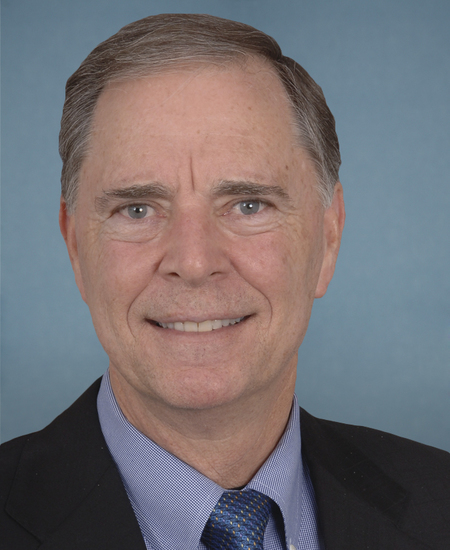
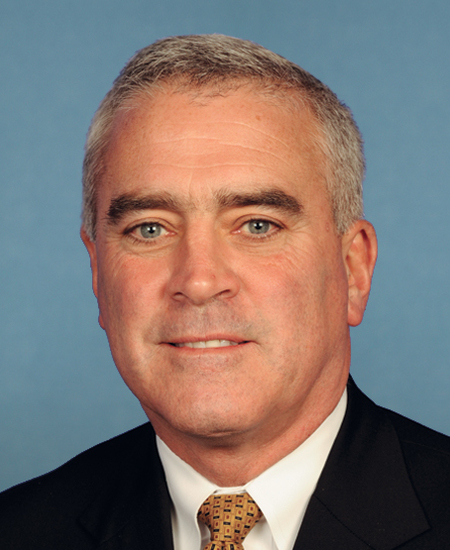
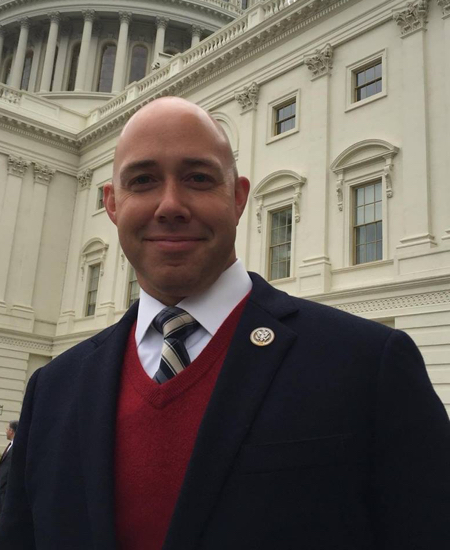
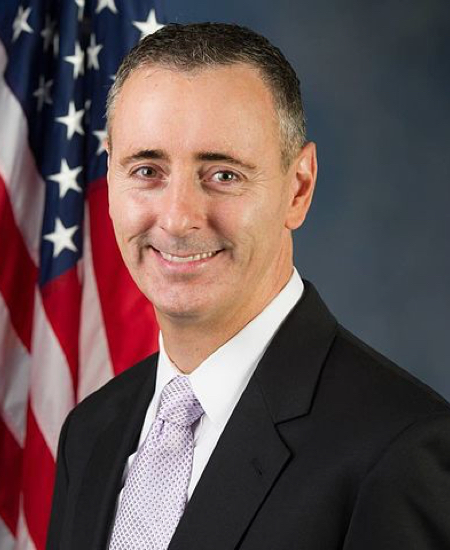
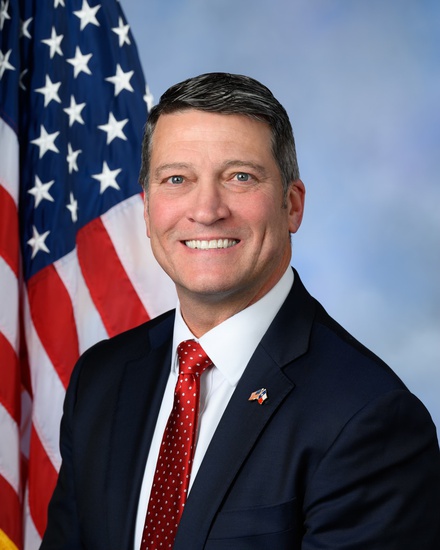
1 primary · 35 co-sponsors
Sponsors